Feature News: Empowering Victoria’s Multicultural Homes in the Clean Energy Transition
MELBOURNE, VIC – As Victoria accelerates its shift toward renewable energy, one question remains central for many households: how can every family participate in and benefit from electrification? The answer lies not just in technology, but in accessible information and community-led support. Recognising this, the Ethnic Communities’ Council of Victoria (ECCV) is launching a pioneering new project designed to empower multicultural households to make confident, informed decisions about electrifying their homes.
Titled “Empowering Multicultural Communities at Home,” the initiative directly addresses a critical gap in the clean energy transition: ensuring that language barriers, cultural nuances, and access to trusted information do not leave diverse communities behind.
“Every Victorian deserves the opportunity to lower their energy bills and reduce their carbon footprint through home electrification,” a project spokesperson said. “But to do that, people need information that is clear, in their own language, and delivered by those they trust. That’s where this project comes in.”
A Tailored, In-Language Approach
The project will move beyond generic brochures by providing clear, culturally relevant, and in-language information about home electrification and available energy upgrades. This includes everything from understanding efficient electric heating and cooling (reverse-cycle systems) and hot water systems to navigating government rebates and installer qualifications. The goal is to equip people with the knowledge to understand their options and ask the right questions of providers.
“Information is power,” the spokesperson added. “We’re demystifying the process—from what an induction cooktop is really like to use, to how to finance upgrades—so households can make choices that are right for their family and budget.”
Community at the Core
The project’s methodology is deeply community-centric. Key activities will include:
Local Information Sessions & Workshops: Held within community hubs, these sessions will provide practical, hands-on guidance.
Training Community Electrification Leads: ECCV will train and support trusted community members to become local points of knowledge and guidance.
Developing Accessible Multilingual Resources: Creating easy-to-understand guides, checklists, and digital content in multiple languages.
Facilitating Peer-to-Peer Learning: Creating spaces for communities to share experiences, concerns, and successes.
This model ensures information is not only translated but also transcreated—adapted to be meaningful within specific cultural contexts—and delivered through trusted channels.
Navigating the Transition with Confidence
With a focus on practical support, the project aims to do more than just inform; it aims to build confidence. For many families, the upfront cost and complexity of upgrading appliances or installing solar can be daunting. By breaking down the steps, explaining long-term savings, and clarifying available support, the project helps households see a clear pathway forward.
“Our focus is on making sure multicultural communities across Victoria have the information and support they need to navigate this transition with confidence,” the spokesperson emphasised. “This is about equity, ensuring the benefits of a clean energy future—like healthier homes, lower bills, and a safer climate—are shared by all.”
The “Empowering Multicultural Communities at Home” project is set to launch in the coming months, with ECCV beginning outreach to communities across the state. It represents a vital step toward an inclusive and just energy transition for Victoria.
For more information or to express interest in partnering, community organisations are encouraged to contact the Ethnic Communities’ Council of Victoria (ECCV).
Condolence News: The Passing of Dr. Lata Tesfaye Jule
It is with profound sorrow and heavy hearts that we announce the sudden passing of Dr. Lata Tesfaye Jule, former President of Dembi Dollo University and a senior advisor to the Prime Minister of Ethiopia. Dr. Lata passed away in his hotel room at the Hilton Hotel in Virginia, USA, earlier today.
He was in Washington D.C. as part of an official Ethiopian government delegation, having arrived just yesterday. The cause of death is not yet publicly known, pending the results of a hospital examination. His remains are expected to be repatriated to Ethiopia tomorrow, Sunday, through the coordination of the Ethiopian Embassy.
Dr. Lata was also a member of the Ethiopian Parliament. He was widely recognized as a brilliant and accomplished scholar, having earned two doctorate degrees at a young age and playing a pivotal role in the expansion and development of Dembi Dollo University during his presidency.
A colleague who knew him personally from his time in Washington shared these reflections:
“I had the privilege of meeting Dr. Lata closely when he came to Washington D.C. for work. In our time together, I came to understand what a profoundly knowledgeable man he was—a scholar with great dreams. He never stopped learning. He had come to America to pursue his third doctoral degree when his life was tragically cut short in his hotel room, leaving his ambitions unfulfilled. The grief is double when people of such integrity and grand vision are taken from us so soon.”
The news of Dr. Lata’s untimely demise has sent shockwaves through communities in Ethiopia and abroad, prompting an outpouring of grief. Many express a deep sense of loss, mourning a dedicated public servant who worked with humility for his community and a man whose character and expertise transformed many lives.
Our deepest condolences go to his family, friends, colleagues, and all who knew and loved him. May God grant strength and solace to his loved ones during this unimaginably difficult time. May his soul rest in eternal peace.
A ceremony of reconciliation, peace, and renewal marks a profound cultural resurgence for the people of East Shewa.
DIRREEBADHAAS, OROMIA – In a powerful display of cultural and spiritual revival, the Waaqeffannaa community recently conducted the sacred Galma Araaraa (House of Reconciliation/Restoration) ritual within the revered DirreeBadhaas ritual ground. This profound ceremony, described by participants as a monumental sign of reclaiming their ancestral identity, wove together deep spiritual homage, ecological connection, and intergenerational transmission.
The Galma Araaraa was enacted as a multifaceted ritual of restoration. It began with devoted prayers to Waaqa (the Supreme Being) at the site, followed by rituals performed within the surrounding natural landscape (duudhaa gaa’elaa), emphasizing the inseparable bond between the community, their spirituality, and their environment.
A central and hopeful aspect of the gathering was the active involvement and education of the younger generation (dhaloota haaraa), ensuring the continuity of this sacred knowledge and practice. The rituals culminated in community-wide celebrations featuring traditional songs of blessing (qabbanaa) and joyous dances (marabbaa), transforming the site into a vibrant hub of collective expression.
Elders and spiritual leaders present articulated that the Galma Araaraa served a higher purpose than a single event. It was, they stated, a deliberate act of constructing five essential spiritual houses: a House of Peace (galma nagaa), a House of Joy (galma gammachuu), a House of Resolution (galma furmaataa), a House of Motivation (galma dammaqiinsaa), and a House of Unity (galma waloomaa).
“The successful completion of this Galma Araaraa on our ancestral land of Dirree Badhaas is our greatest sign (mul’ata keenya guddaa),” declared one senior Qallu. “It signifies the return of our people to the dignity and fullness of our original identity (eenyummaa duriitti deebisu). This is a journey of spiritual homecoming.”
The event has been hailed by cultural observers as a significant step in the preservation and revitalization of indigenous Oromo spiritual heritage, demonstrating its enduring role in fostering social harmony, environmental stewardship, and cultural pride.
Oromia Launches Major Two-Month Watershed Development Campaign
FINFINNE, OROMIA – A large-scale, region-wide watershed development and soil conservation campaign is set to begin tomorrow across all zones of the Oromia region, the regional Agriculture Bureau announced. The intensive, two-month initiative aims to rehabilitate landscapes, boost agricultural productivity, and bolster climate resilience.
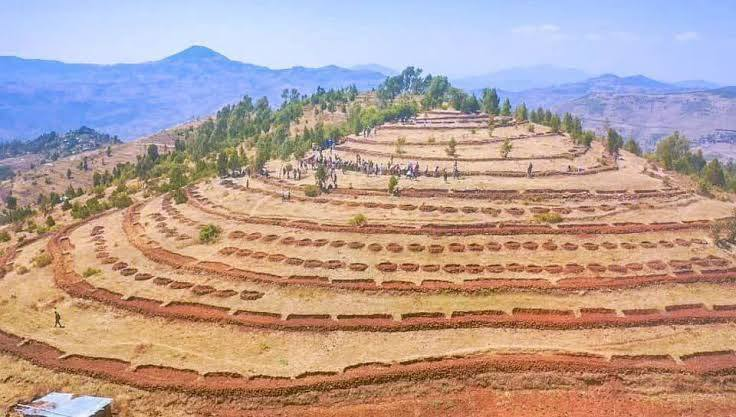
According to Mr. Getu Gemechu, Head of the Oromia Agriculture Bureau, the campaign will target over 6,000 specific sites, collectively covering more than 3 million hectares of land. The work will focus on constructing terraces, check dams, and other physical structures to control erosion, alongside extensive tree planting and green development activities.
This year’s campaign builds on what regional officials describe as a track record of success. Mr. Getu pointed out that past watershed and green development projects have already contributed to increasing the region’s forest cover from 17% to 19%. Furthermore, these efforts have successfully reclaimed previously non-arable land, converting it into productive farmland and enhancing overall agricultural output and productivity.
Training and a Focus on Climate Change
To ensure the effectiveness of the massive mobilization, the bureau has conducted various training programs for implementing staff and community participants. Mr. Getu emphasized that the work is strategically aligned with climate change adaptation, noting that “green development activities are being prioritized to mitigate the challenges of climate change.”
A Call for Collective Participation
Launching the campaign under the guiding principle “Watershed Development for National Pride,” Mr. Getu issued a rallying call for widespread participation. “For the success of the watershed development work starting tomorrow in the region, I call on everyone to participate jointly,” he stated.
The initiative represents a critical component of Oromia’s long-term strategy for sustainable land management and food security. By simultaneously combating land degradation, expanding green cover, and creating more arable land, the regional government aims to build ecological and economic resilience for millions of residents whose livelihoods depend on agriculture.
The success of the two-month blitz will depend heavily on the mobilization of local communities, government agencies, and other stakeholders across Ethiopia’s largest regional state.
The Return: Burtukan Mideksa’s Memoir Set to Unveil Decades of Political Journey
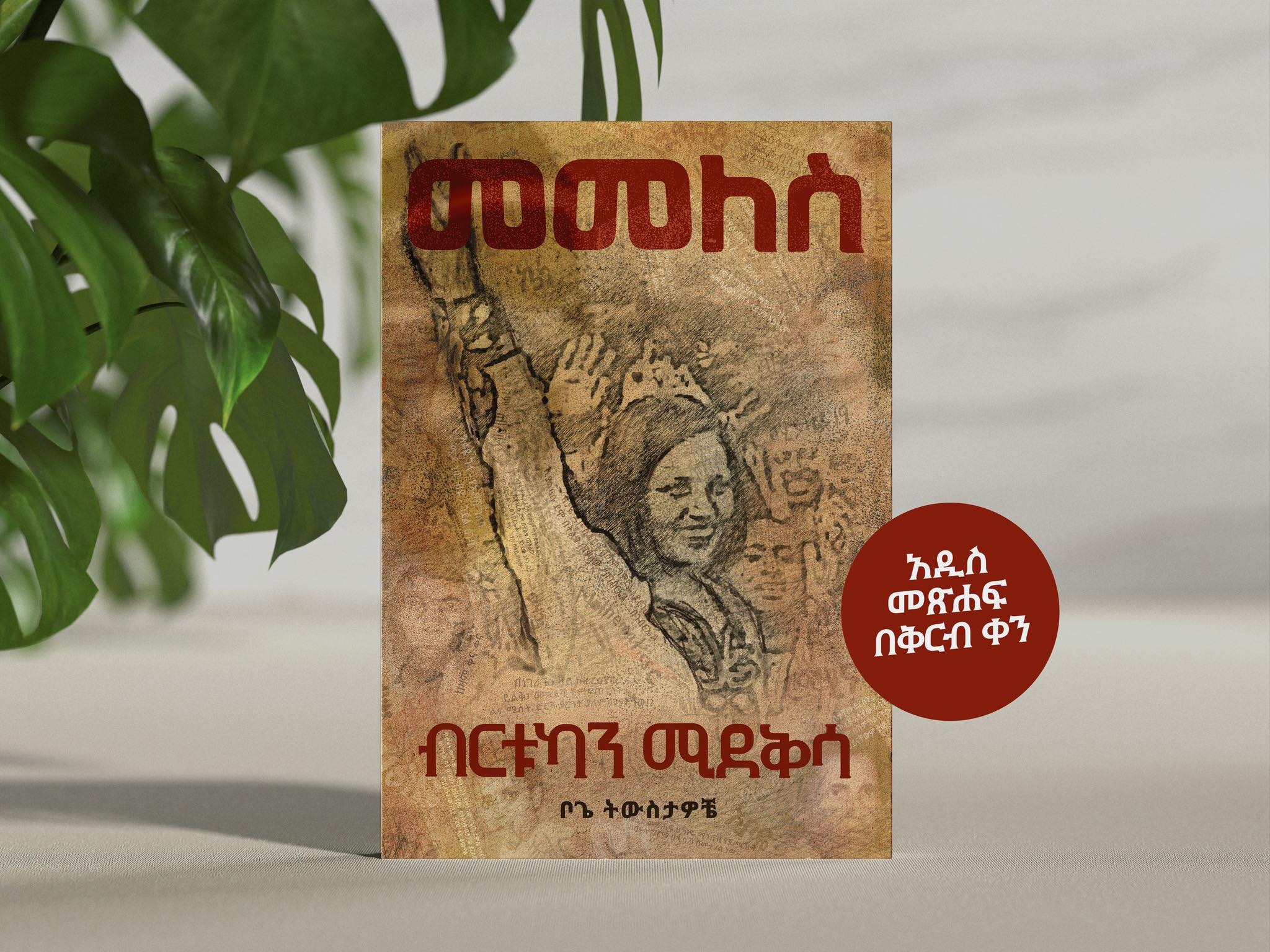
ADDIS ABABA – One of Ethiopia’s most resilient and influential political figures is set to share her remarkable story in a keenly anticipated autobiography. The life memoir of Burtukan Mideksa, titled “መመለስ” (The Return / The Answer), is scheduled for release in the coming days, promising an intimate account of three turbulent decades at the heart of the nation’s politics.
A symbol of strength for many, especially women and youth, Burtukan—often affectionately called “Birtu Kan” (The Strong One) by her admirers—has navigated a journey few can match. Her forthcoming book chronicles a path that has spanned from the judiciary to political leadership, from exile to the helm of the National Election Board.
A Title with Dual Meaning
The choice of the single-word title “መመለስ” is profoundly evocative. It is a word loaded with dual significance in Amharic, reflecting the dual arcs of her narrative. It can be read as “The Return”—signifying her physical and political comeback to Ethiopia and to the public stage. Simultaneously, it resonates as “The Answer”—suggesting her response to long-standing questions about her role, her struggles, and the nation’s transformative journey. In either interpretation, the title promises a compelling and revealing narrative.
Charting a Nation’s Journey Through One Life
The memoir is expected to trace her unique passage through Ethiopia’s modern history. From her early career as a judge and her bold stance for judicial independence, to her political activism, subsequent imprisonment, and years in exile, Burtukan’s life mirrors the nation’s own struggles with democracy, justice, and change.
Her later return to Ethiopia and her historic appointment as the first woman chairperson of the National Election Board of Ethiopia (NEBE) marked a pivotal chapter, placing her at the center of the country’s most consequential democratic exercises. The book is anticipated to provide an insider’s perspective on these critical moments, detailing both the triumphs and profound challenges faced along the way.
Highly Anticipated by Scholars and Public Alike
The announcement has generated significant excitement among political analysts, historians, and the general public. Many hope the memoir will shed new light on untold stories, private reflections, and the inner workings of Ethiopia’s political evolution over the last 30 years. It is viewed not just as a personal history, but as a vital primary source for understanding contemporary Ethiopia.
A High-Profile Launch
Plans are underway for a high-profile official book launch ceremony this month. Arts TV has been named as the exclusive media partner for the event, ensuring comprehensive coverage and bringing the proceedings to millions of viewers across the nation and the diaspora.
Burtukan Mideksa’s “መመለስ” arrives at a critical juncture, offering a deeply personal lens on Ethiopia’s ongoing quest for stability and democracy. It is poised to be one of the most significant political memoirs of the year, providing answers, prompting reflection, and celebrating the return of a formidable voice to the literary and public sphere.
Historic Gathering at Odaa Roobaa: The Heero Council Ascends, Uniting the Five Branches of Arsii
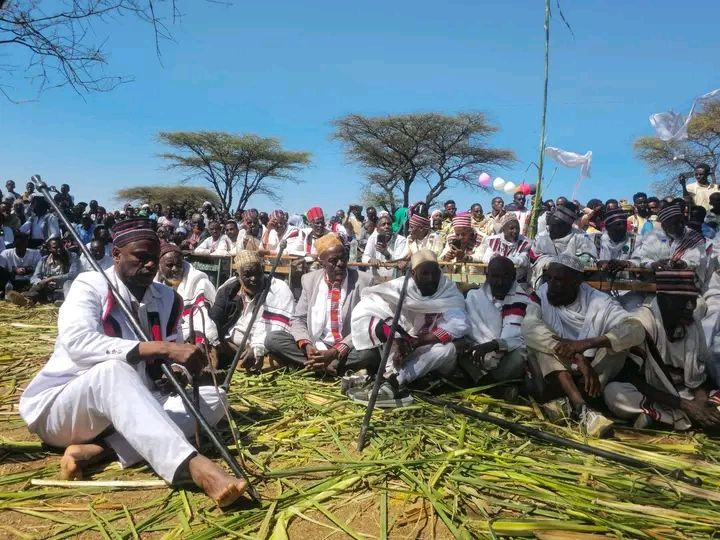
In a landmark ceremony resonating with deep historical significance, the 20 Dhaddachas (Gadaa class leaders) of the Arsii Sikkoo Mandoo generation gathered under the sacred Odaa Roobaa sycamore. From this assembly, the most senior and pivotal leader, the Dhaddacha Heeroo, has formally risen, marking a decisive moment in the restoration and unity of the Arsii Gadaa system.
The ascension of the Dhaddacha Heeroo is the culmination of a major decree passed during the recent Dhaddacha Guutaa (Grand Assembly). This decree, rooted in a call made by the Abbaa Gadaa of all Arsii, Aliyyii Muhaammad-Suruur, mandated the reconstitution of this supreme council. Its purpose is to reunite the five historic branches (Baalli) of the Arsii nation—Birmajii, Bultuma, Bahara, Horata, and Roobalee—whose people are spread across the lands of Baale, Diida’a, Gadab, Albaso, Laangannoo, and Dambal.
A Unifying Vision for a Dispersed People
Abbaa Gadaa Aliyyii Muhaammad-Suruur, during his term of office, has spearheaded efforts to bring the dispersed children of Sikkoo Mandoo back to their rightful place within the Gadaa structure. Strengthening this mission, the recent decrees are a high-level strategy designed to foster unity among the five branches. The plan specifically allocates a dedicated week for the branches to meet, allowing communities separated by distance to see each other, share ideas, and discuss their collective concerns.
A Community’s Determined Effort
The successful execution of this profound ceremony is credited to the exceptional effort and organization of the broader community, particularly the people of Baalee Bahaa and the residents of the historic Laga Hidhaa district. Their deep commitment to the success of this Gadaa event underscores the living, community-driven nature of the institution.
This gathering at Odaa Roobaa transcends ritual. It is a powerful act of political and cultural revitalization, signaling the Arsii Sikkoo Mandoo’s intent to reclaim the cohesion and governance envisioned by their forefathers. As the Heero council takes its place, it reaffirms the core Gadaa principle: “Gadaan ta misaaf mirgaati” — “Gadaa is both a duty and a right.”
The rise of the Heero is not just a return to formality; it is the reassembly of a people’s parliament under their sacred tree, ready to guide their future through the ancient, yet ever-relevant, laws of balance, justice, and collective responsibility.
The Vanguard Generation: Young Oromo Candidates Emerge as the Face of OLF’s Election Bid
As Ethiopia prepares for its pivotal Seventh General Election, a profound generational shift is unfolding within the ranks of the Oromo Liberation Front (OLF). The party’s slate of candidates is increasingly defined by a cadre of highly educated, media-savvy, and strategically-minded young Oromos who represent the maturation of a decades-long struggle and the living hope of their people.
The upcoming election is viewed by many within the Oromo national movement not merely as a political contest, but as a potential culmination. The prospect of seeing these young, academically and professionally accomplished candidates—”who have grown up wise and skilled within the sphere of the OLF”—enter Parliament is seen as the realization of the Oromo people’s long-held aspiration for rightful representation and justice.
From Sacrifice to the Ballot Box
The OLF underscores that these candidates embody a legacy of sacrifice. “The OLF is presenting these educated youth,” states a party communique, “who have forsaken their own personal lives and safety to fight for the protection of their people’s interests.” Their candidacies are framed not as personal ambition, but as the logical next step in a collective liberation struggle. They are portrayed as the intellectual and political heirs of that struggle, now prepared to translate its objectives from the fields of activism into the halls of legislation.
The party message strikes a tone of determined optimism and urgent action: “As you know, the Oromo people who speak for you and on your behalf—when the day comes that the National Election Board confirms the locations where the election will be held, we will gather the candidates who represent you and prepare them.” The ultimate aim is to ensure the election becomes a peaceful, legitimate forum where “the rights of our nation are respected.”
More Than Politicians: Storytellers, Historians, and Strategists
Crucially, the OLF is reframing the identity of its political representatives. “These are not just political figures,” the narrative asserts. “They are historians, writers, strategists. They are the children of the Oromo people.”
This characterization is powerful. It positions these candidates not as distant bureaucrats, but as organic intellectuals whose understanding is rooted in the lived history and cultural consciousness of their community. They are presented as the very storytellers and analysts who can articulate the Oromo narrative within—and to—the Ethiopian state.
A Critical Test of the Political Transition
The emergence of this “vanguard generation” within the OLF’s electoral strategy marks a critical test for Ethiopia’s post-2018 political transition. Their participation seeks to answer a fundamental question: Can a movement historically engaged in armed struggle successfully channel its energy, its grievances, and its vision through democratic competition?
For the Oromo electorate, particularly the youth (Qeerroo), these candidates represent a bridge between the protest-filled recent past and a potential future of institutional influence. Their success or failure at the polls will be interpreted as a verdict on the feasibility of achieving Oromo objectives through parliamentary means.
As the election campaign begins, the world will be watching not just the OLF as a party, but this new generation of leaders. They carry with them the weight of history, the expectations of a nation, and the formidable task of transforming a legacy of resistance into a blueprint for governance.
NEWS RELEASE: A Community Mourns the Tragic Loss of Visionary Mentor Guy Moon
It is with profound sorrow that we share the news of the tragic passing of Guy Moon, a beloved patriarch, husband, father, and a visionary figure in media and faith communities. Mr. Moon was killed in a traffic collision on Thursday morning.
In a heartfelt statement, his family expressed their deep grief and the profound impact of their loss: “We are overcome with grief to announce the passing of our beloved patriarch, Guy Moon… We feel singularly blessed to have been able to call him dad and husband.” Acknowledging the immense pain, they drew strength from his own legacy, stating they are “emboldened to grieve him with honor and courage with the tools that he equipped us with in his beautiful life.”
The family tentatively plans to celebrate his life on his birthday, February 7th, in the Los Angeles area, with a later gathering in his hometown in Wisconsin. Details will be shared as they become available.
A Legacy of Faith and Mentorship
News of his passing has sent waves of grief through a wide network of friends, colleagues, and those he served. Dhaba Wayessa, a close friend and brother in Christ, shared a moving tribute highlighting Guy Moon’s remarkable spirit.
“I am deeply shocked and heartbroken to hear of the passing of my brother in Christ, Guy Moon… Guy was a man of vision, faith, and generous courage,” Wayessa stated.
He specifically recalled Moon’s transformative initiative in 2011, when he coordinated the LA Media Mission Team and traveled to Ethiopia. There, in collaboration with Sandscribe Communications and Mekane Yesus Seminary, he dedicated himself to serving and mentoring young media students.
“His commitment to equipping others, especially emerging storytellers, left a lasting imprint that continues to bear fruit,” Wayessa added. “His life reflected Christ’s love through action, creativity, and service.”
This mission stands as a testament to Moon’s belief in empowering the next generation, extending his influence far beyond his immediate circle and leaving a global legacy of inspiration and practical skill.
A Call for Prayer and Comfort
As the Moon family and all who knew him navigate this sudden and painful loss, the community is called to surround them with support. Wayessa’s prayer echoes the sentiment of many: “May the Lord surround His family and friends with His peace and comfort, and may the hope of the resurrection sustain all in this time of deep sorrow.”
Guy Moon’s unmistakable legacy of familial love, creative mentorship, and faithful service will be profoundly missed. His memory will continue to inspire those who were fortunate enough to know him and the many young professionals he helped to shape.
The family respectfully requests privacy as they mourn and make arrangements.
Together we remain, The Moon Family & A Grieving Community
Historic Gadaa Assembly in Baalee Bahaa Enacts Six Major Decrees for Social Renewal
LAGA HIDHAA DHAADDACHA HEEROO, BAALEE BAHAA – A major Gadaa assembly of the Arsii Sikkoo Mandoo generation is currently underway at the historic site of Dhaddacha Heeroo, signaling a significant restoration of its traditional leadership structure and the enactment of sweeping social mandates.
The central act of the assembly is the formal reinstatement of the senior Dhaddacha Heeroo council. This council, comprised of the five senior Luba Gadaa from among the younger Gadaa classes operating under the Odaa Roobaa ritual center, is being restored to its full authority. This move directly implements a prior resolution to reinstate twenty (Dhaddachas) of the Sikkoo Mandoo generation.
With the restoration of this senior council, the assembly has proceeded to deliberate on and proclaim six major decrees (murtiiwwan gurguddoo), addressing critical issues from marriage and culture to security and environmental protection.
The Six Major Decrees of the Assembly:
Leadership Restoration: Formalizes the return of the Dhaddacha Heeroo council and the reinstatement of the twenty Sikkoo Mandoo Dhaddachas, completing a key structural revival.
Regulation of Marriage and Heerumaa (Bridewealth): Mandates that gabbarri (a customary fine or compensatory payment) must be settled in cases related to marriage and bridewealth, aiming to standardize and resolve disputes within these customary practices.
Cultural Revival and Propriety: Calls for the return and strict observance of safuu (moral and ethical codes) and traditional customs (aadaa fi duudhaa), emphasizing a cultural renaissance rooted in ancestral values.
A Universal Mandate for Peace: Issues a powerful decree on peace (nagaa), stating that all unresolved conflicts must be settled peacefully. It calls upon every individual to heed the call of Gadaa fathers and Siinqee (women’s institution) elders and come forward for reconciliation, placing peace as the foremost communal priority.
Curbing Illegal Migration: Addresses the concerning trend of youth being trafficked and illegally sent abroad. The decree states this must stop, highlighting the Gadaa system’s role in confronting modern social crises affecting its youth.
Environmental Protection: Decrees the protection of natural resources (qabeenya uumamaa), specifically ordering that deforestation (biqiltuu) must be halted and managed. This underscores the indigenous ecological stewardship inherent in the Gadaa system.
A Living System Addressing Contemporary Challenges
The convocation of this assembly and the scope of its decrees demonstrate the Gadaa system’s dynamic role as a living governance framework. It is not merely conducting ritual observances but is actively legislating on pressing issues—from safeguarding youth against trafficking to enforcing environmental conservation and mandating universal peace-building.
The reinstatement of the senior council provides the institutional authority to oversee the implementation of these far-reaching decisions. The assembly at Dhaddacha Heeroo thus stands as a potent example of indigenous sovereignty in action, using its restored structures to mandate social, cultural, and environmental order for the Arsii Sikkoo Mandoo community and beyond.





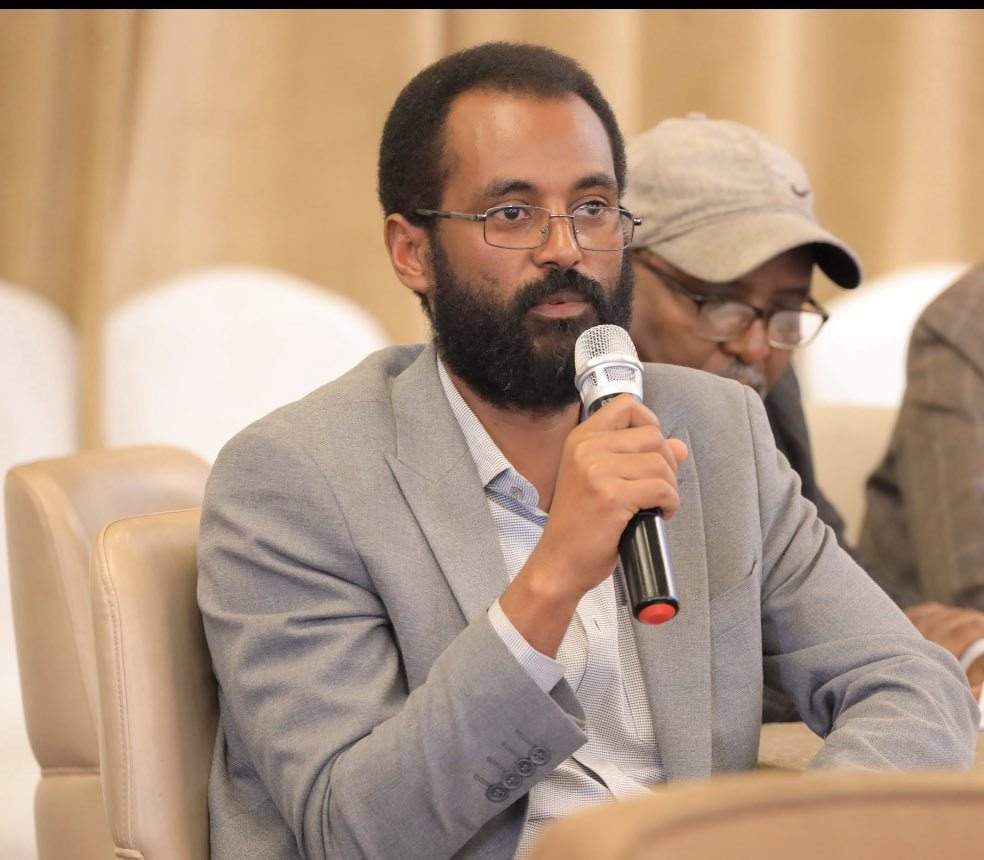
 Tibba magaalaan guddoo Oromiyaa, Adaamaadha jedhamee murteeffame sanatti Adaamaa magaalaa guddoo Oromiyaa tahuu hindandeessu jedhee namni ragaa qabatee jalqaba TV irratti mormii dhiheesse Dhaabasaa Waagjiraa ture Galaalechessitoota keessaa.






 Oromedia