
Feature Commentary: “መመለስ” – The Return of a Voice and the Resonance of Memory
In the rich tapestry of Ethiopian political life, few contemporary figures command the blend of unwavering principle and administrative acumen quite like W/ro Burtukan Mideksa. Her journey—from the bench to political leadership, from imprisonment to international diplomacy—has been a defining narrative of Ethiopia’s turbulent recent decades. The recent ceremonial launch of her Amharic-language memoir, “መመለስ: ቦጌ ትውስታዎቼ” (“Return: My Bogé Memories”), is therefore more than a literary event. It is a significant political and cultural moment, a formal re-entry of a pivotal perspective into the nation’s ongoing dialogue about its past and its future.
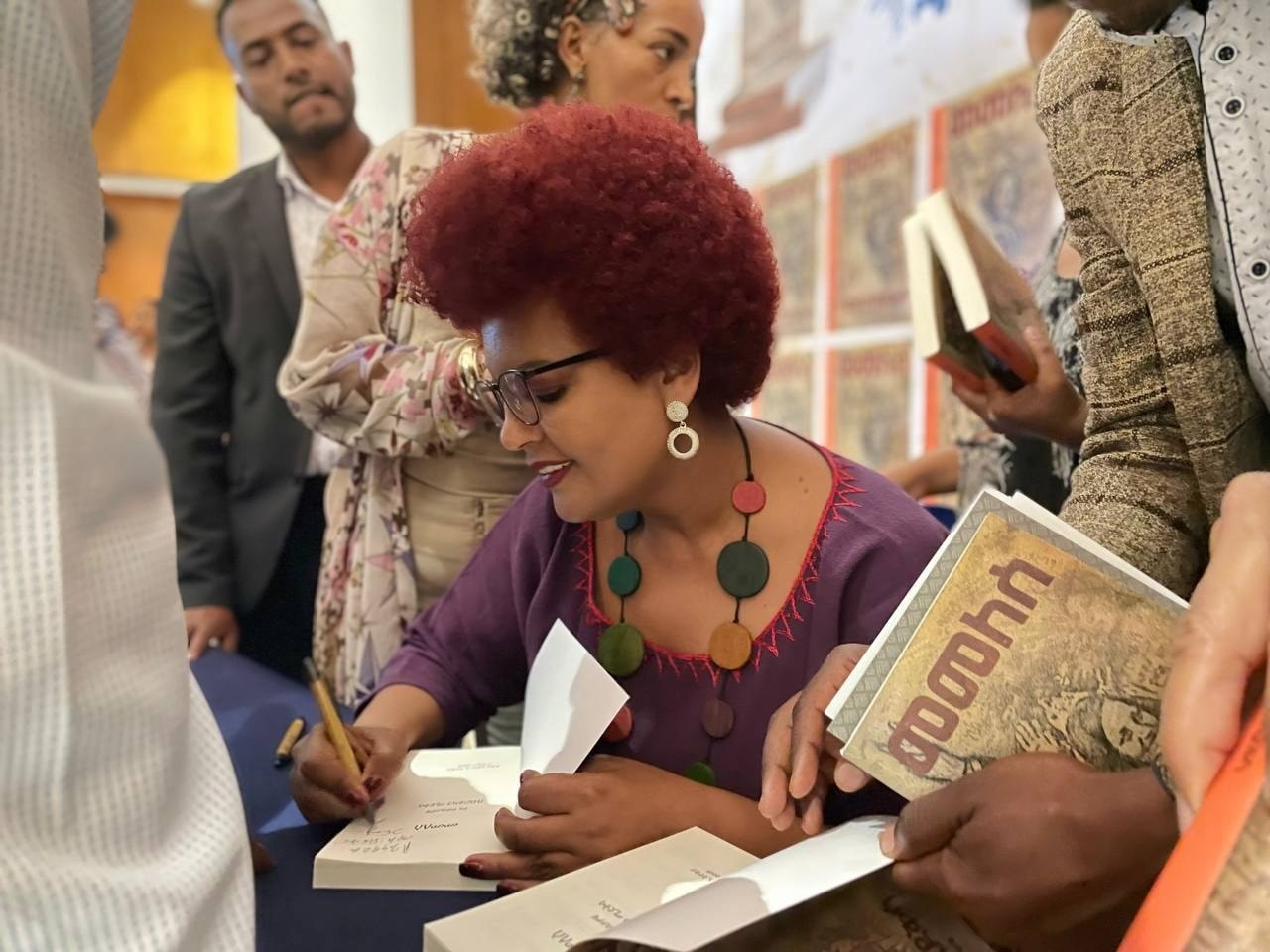
The title itself, “መመለስ” (Return), is profoundly evocative. On one level, it refers to a physical and spiritual return to Bogé—a place steeped in personal and national history, likely referencing a period of reflection, struggle, or origin. On another, it signifies the return of Burtukan Mideksa’s own voice to the public sphere in a new, enduring form. After years of being analyzed, quoted, and defined by others—as a judge, an opposition leader, a prisoner of conscience, and most recently as the Chairperson of the National Election Board of Ethiopia (NEBE)—this book represents her opportunity to define her own narrative, to “return” the story to its source.
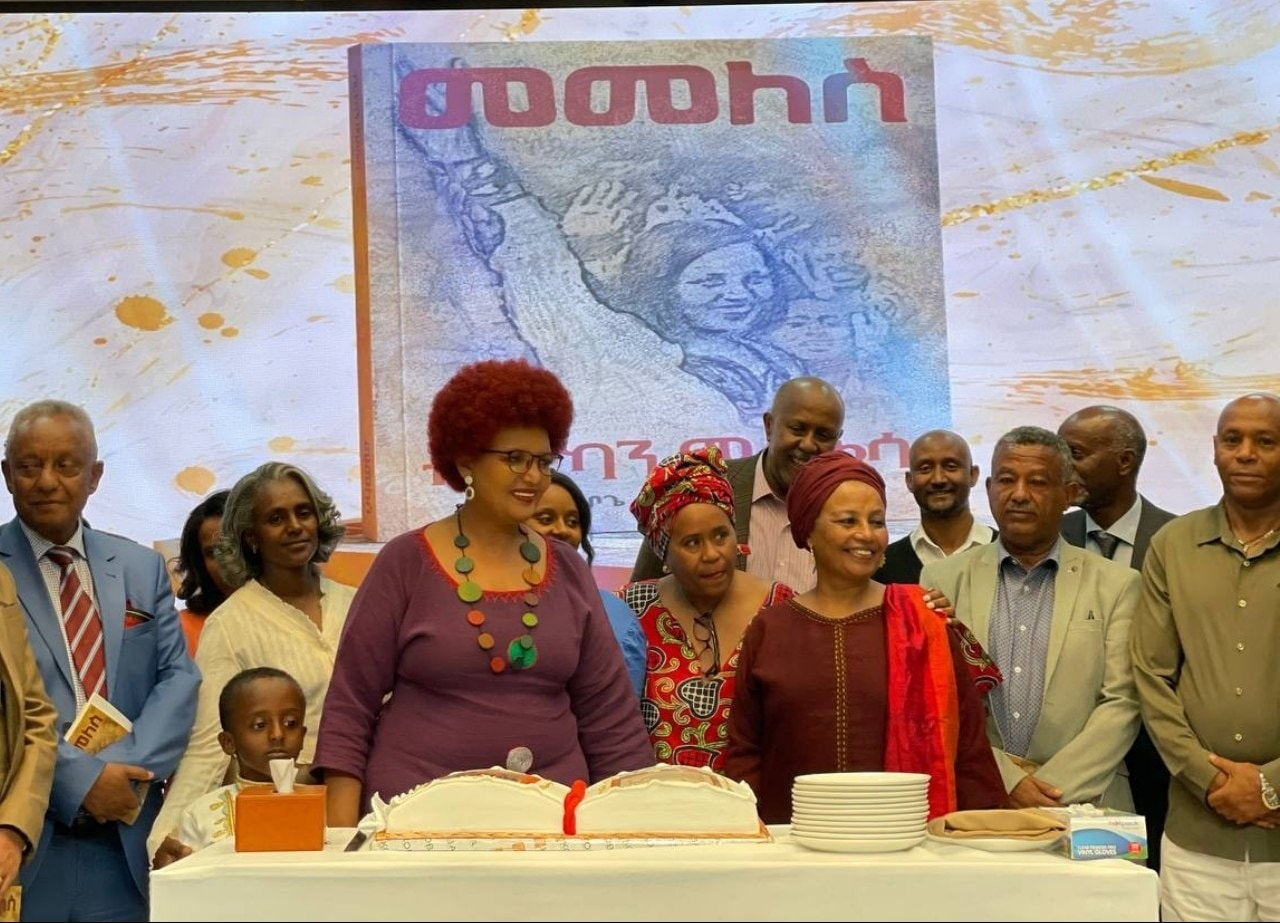
The launch event, as reported, was fittingly dignified, attended by a host of guests and featuring readings by prominent figures like Abba Balcha and Konjit Seyoum. The participation of intellectuals and analysts such as Soliana Shimelis, Worqneh Tefera, Hirut Tefaye, Tewodros Aylaw, and Dawit Birhanu underscores the book’s perceived weight. It is not treated as a mere personal account but as a primary source document, a contribution to the collective understanding of Ethiopia’s political evolution over the last thirty years.
The book’s structure—37 chapters spanning 292 pages—suggests a comprehensive and detailed reckoning. For students of Ethiopian politics, the promise lies in the granular, firsthand account of critical junctures: the fraught 2005 elections, the experience of political imprisonment, the internal dynamics of opposition politics, and the complex challenges of leading an institution like the NEBE in a polarized environment. It offers a rare, insider’s view from a figure who has operated at the highest stakes of the country’s democratic struggle.
However, the publication of “መመለስ” arrives at a deeply complex moment. Ethiopia is a nation still grappling with the wounds of a brutal civil war, severe internal fractures, and an uncertain political transition. In this context, a memoir by a figure of Burtukan’s stature is inevitably a political act. It will be read not just for its recollections, but for its judgments, its silences, and its implicit commentary on present-day actors and crises. It has the potential to reframe debates, validate certain historical narratives, and challenge others.
Ultimately, the significance of “መለሰ” extends beyond its immediate political insights. It represents the power of personal testimony in a national story often dominated by grand ideologies and collective movements. By sharing her “Bogé memories,” Burtukan Mideksa does more than recount events; she invites a conversation about resilience, principle, and the personal cost of public life in Ethiopia. Whether as a tool for historical clarification, a mirror for the present, or a guide for future leaders, this “return” of memory to the public domain is a vital addition to the fragile architecture of Ethiopia’s national understanding. Its true impact will be measured not just in book sales, but in the depth and quality of the dialogue it inspires.
 Oromedia