Oromia’s Watershed Development Campaign: A Green Revolution

Oromia Launches Major Two-Month Watershed Development Campaign
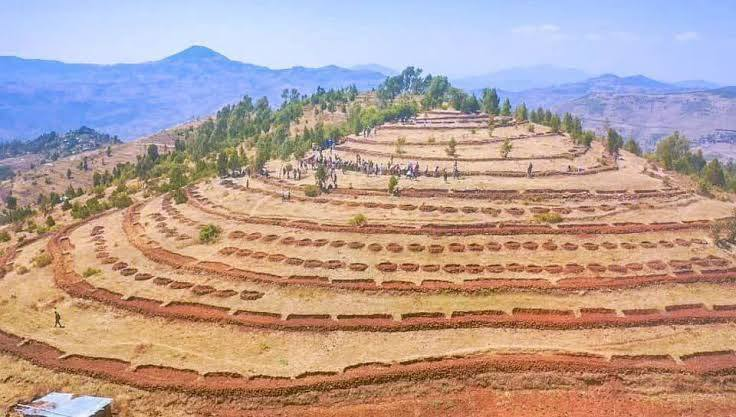
FINFINNE, OROMIA – A large-scale, region-wide watershed development and soil conservation campaign is set to begin tomorrow across all zones of the Oromia region, the regional Agriculture Bureau announced. The intensive, two-month initiative aims to rehabilitate landscapes, boost agricultural productivity, and bolster climate resilience.
According to Mr. Getu Gemechu, Head of the Oromia Agriculture Bureau, the campaign will target over 6,000 specific sites, collectively covering more than 3 million hectares of land. The work will focus on constructing terraces, check dams, and other physical structures to control erosion, alongside extensive tree planting and green development activities.
This year’s campaign builds on what regional officials describe as a track record of success. Mr. Getu pointed out that past watershed and green development projects have already contributed to increasing the region’s forest cover from 17% to 19%. Furthermore, these efforts have successfully reclaimed previously non-arable land, converting it into productive farmland and enhancing overall agricultural output and productivity.
Training and a Focus on Climate Change
To ensure the effectiveness of the massive mobilization, the bureau has conducted various training programs for implementing staff and community participants. Mr. Getu emphasized that the work is strategically aligned with climate change adaptation, noting that “green development activities are being prioritized to mitigate the challenges of climate change.”
A Call for Collective Participation
Launching the campaign under the guiding principle “Watershed Development for National Pride,” Mr. Getu issued a rallying call for widespread participation. “For the success of the watershed development work starting tomorrow in the region, I call on everyone to participate jointly,” he stated.
The initiative represents a critical component of Oromia’s long-term strategy for sustainable land management and food security. By simultaneously combating land degradation, expanding green cover, and creating more arable land, the regional government aims to build ecological and economic resilience for millions of residents whose livelihoods depend on agriculture.
The success of the two-month blitz will depend heavily on the mobilization of local communities, government agencies, and other stakeholders across Ethiopia’s largest regional state.
Reporting by: Sadaat Mohammedsani
Burtukan Mideksa’s Memoir: A Political Odyssey
FEATURE NEWS
The Return: Burtukan Mideksa’s Memoir Set to Unveil Decades of Political Journey
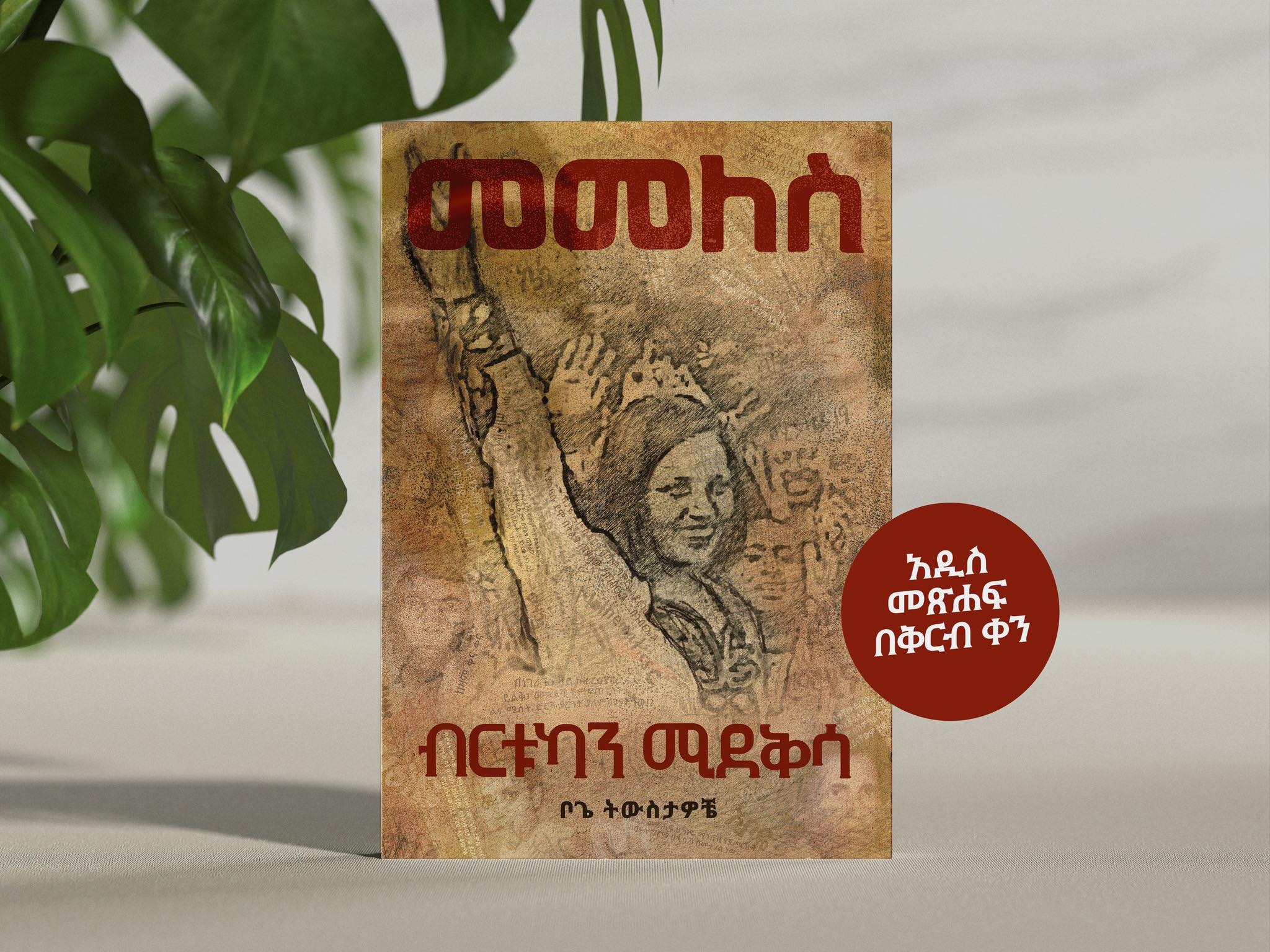
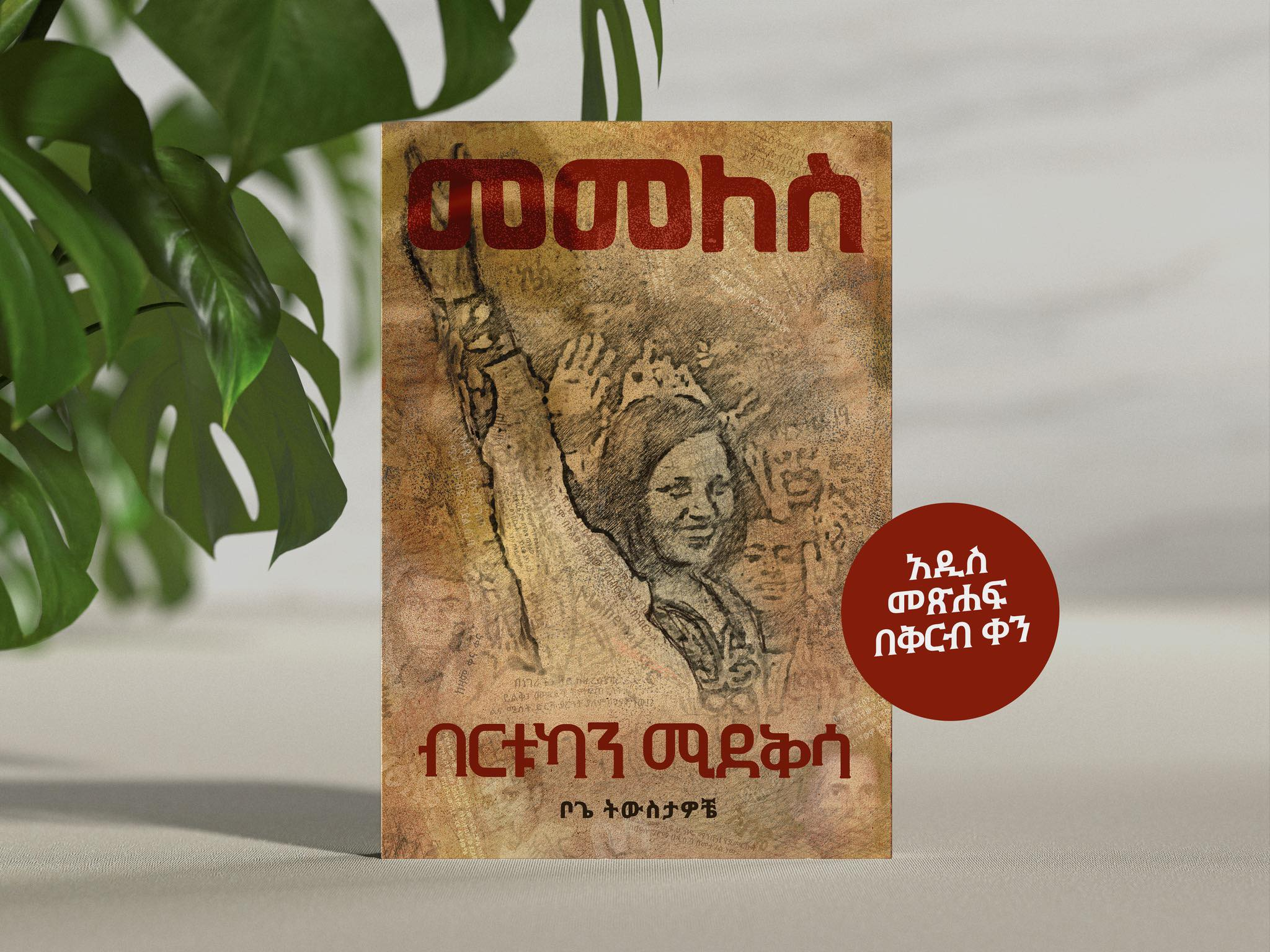
ADDIS ABABA – One of Ethiopia’s most resilient and influential political figures is set to share her remarkable story in a keenly anticipated autobiography. The life memoir of Burtukan Mideksa, titled “መመለስ” (The Return / The Answer), is scheduled for release in the coming days, promising an intimate account of three turbulent decades at the heart of the nation’s politics.
A symbol of strength for many, especially women and youth, Burtukan—often affectionately called “Birtu Kan” (The Strong One) by her admirers—has navigated a journey few can match. Her forthcoming book chronicles a path that has spanned from the judiciary to political leadership, from exile to the helm of the National Election Board.
A Title with Dual Meaning
The choice of the single-word title “መመለስ” is profoundly evocative. It is a word loaded with dual significance in Amharic, reflecting the dual arcs of her narrative. It can be read as “The Return”—signifying her physical and political comeback to Ethiopia and to the public stage. Simultaneously, it resonates as “The Answer”—suggesting her response to long-standing questions about her role, her struggles, and the nation’s transformative journey. In either interpretation, the title promises a compelling and revealing narrative.
Charting a Nation’s Journey Through One Life
The memoir is expected to trace her unique passage through Ethiopia’s modern history. From her early career as a judge and her bold stance for judicial independence, to her political activism, subsequent imprisonment, and years in exile, Burtukan’s life mirrors the nation’s own struggles with democracy, justice, and change.
Her later return to Ethiopia and her historic appointment as the first woman chairperson of the National Election Board of Ethiopia (NEBE) marked a pivotal chapter, placing her at the center of the country’s most consequential democratic exercises. The book is anticipated to provide an insider’s perspective on these critical moments, detailing both the triumphs and profound challenges faced along the way.
Highly Anticipated by Scholars and Public Alike
The announcement has generated significant excitement among political analysts, historians, and the general public. Many hope the memoir will shed new light on untold stories, private reflections, and the inner workings of Ethiopia’s political evolution over the last 30 years. It is viewed not just as a personal history, but as a vital primary source for understanding contemporary Ethiopia.
A High-Profile Launch
Plans are underway for a high-profile official book launch ceremony this month. Arts TV has been named as the exclusive media partner for the event, ensuring comprehensive coverage and bringing the proceedings to millions of viewers across the nation and the diaspora.
Burtukan Mideksa’s “መመለስ” arrives at a critical juncture, offering a deeply personal lens on Ethiopia’s ongoing quest for stability and democracy. It is poised to be one of the most significant political memoirs of the year, providing answers, prompting reflection, and celebrating the return of a formidable voice to the literary and public sphere.
#BurtukanMideksa #TheReturn #NewBook #Ethiopia #ArtsTV
Dhaabasaa Waaqjiraa: Kitaaba Daaniyaa fi Eenyummaa

Namni Kitaaba Daaniyaa kana dubbise Amantii Ormaa jala hin deemu Eenyummaa isaa as keessatti argata.
DAANIYAAn kitaaba obboleessi keenya Dhaabasaa Waaqjiraa mana hidhaa keessa utuu jiruu barreesseedha. 
Dhaabasaan Televizhinii Itophiyaa Qophii Afaan Oromoo keessaa hojjechaa ture..
Qophiin Afaan Oromoo ofi jalatti kutaalee sadii qaba ture.
Dhaabasaan yeroo TV keessa turetti kutaa sagantaa keessa hojjetaa ture. Dhaabasaan Si’ayina waan qabuuf kan hojii galaalchessitoota biroo illee gamaaggamu isa akka ture wahiloonni isa waliin turan ragaa bahu.
Dhaabasaa Waajjira Galaalchessaa jabaadha jedhu wahillan hojii isaa yeroo sanii.
Gama hoggansaatiin Dhaabasaan nama gaarii tahus sagantaalee yeroo addaddaatti hojjeteen balleesseera jedhamee sirna IHADIG yeroo sanaan nama komatamaa turedha.
Fakkeenyaaf,
 Tibba magaalaan guddoo Oromiyaa, Adaamaadha jedhamee murteeffame sanatti Adaamaa magaalaa guddoo Oromiyaa tahuu hindandeessu jedhee namni ragaa qabatee jalqaba TV irratti mormii dhiheesse Dhaabasaa Waagjiraa ture Galaalechessitoota keessaa.
Magaalaan guddoo Oromiyaa Adaamaa tahuu akka hindandeenye tahuu ishee mirkaneessuuf ragaa inni yeroos dhiheesse jabaan tokko, magaalattiin yeroo yerootti lolaadhaan kan dhiqamtu tahuu ishee ture jedhu wahillan isaa waliin turan.
Dhuguma immoo naannoo bara 1994/95 keessa gamoolee hedduun Adaamaa keessatti lolaadhaan liqimfamanii turan. Yaadni yeroos Dhaabasaan dhiheesse sun ganda OPDO/ADWUI tti awwaara guddaa bubbisiise.
Duuba irras dhimmi kun Dhaabasaa tti dubbii fide. “Diinaa” wajjin hidhata waan qabuuf waayee magaalaa guddoo Oromiyaa sana morme jedhamee sababni adda addaa itti funaanaamee wahillan hojii isaa kan biraa Shifarraa wajjin hidhaatti darbataman.
Courtesy: https://www.pambazuka.org/categories/media-freedom-expression?page=150

☆☆☆☆
Dhaabasaan egaa utuu hidhaa sana keessa jiruuti namoota isaa wajjin hidhaa turanifi kaan irraa odeeffannoo walitti funaanee #DAANIYAA kan barreesse.
☆☆☆☆☆
Namootni saba isaaniif of kennan waan tokko hojjechuu barbaadan, waan akeekkatan hojjechuuf haallii fi yeroon kamuu daangaa isaanitti hintahu. Hojii isaaniis faayidaa dhuunfaatti argatanin hin shallagan .
Dhaabasaa Waaqjiraa kanaaf ragaa jiraataadha.
☆☆▪︎▪︎
Utuu ati barreessuu baattee namni akka keetti kitaaba kana barreessu silaa argamaa laata?
Natti hinfakkaatu.
Dhaloonni kitaaba kana bitadhaa dubbisaa nama of tahetu Saba isaaf taha.
Daaniyaa keessatti of argattu.

Unity and Revival: The Rise of the Heero Council

Historic Gathering at Odaa Roobaa: The Heero Council Ascends, Uniting the Five Branches of Arsii
In a landmark ceremony resonating with deep historical significance, the 20 Dhaddachas (Gadaa class leaders) of the Arsii Sikkoo Mandoo generation gathered under the sacred Odaa Roobaa sycamore. From this assembly, the most senior and pivotal leader, the Dhaddacha Heeroo, has formally risen, marking a decisive moment in the restoration and unity of the Arsii Gadaa system.
The ascension of the Dhaddacha Heeroo is the culmination of a major decree passed during the recent Dhaddacha Guutaa (Grand Assembly). This decree, rooted in a call made by the Abbaa Gadaa of all Arsii, Aliyyii Muhaammad-Suruur, mandated the reconstitution of this supreme council. Its purpose is to reunite the five historic branches (Baalli) of the Arsii nation—Birmajii, Bultuma, Bahara, Horata, and Roobalee—whose people are spread across the lands of Baale, Diida’a, Gadab, Albaso, Laangannoo, and Dambal.

A Unifying Vision for a Dispersed People
Abbaa Gadaa Aliyyii Muhaammad-Suruur, during his term of office, has spearheaded efforts to bring the dispersed children of Sikkoo Mandoo back to their rightful place within the Gadaa structure. Strengthening this mission, the recent decrees are a high-level strategy designed to foster unity among the five branches. The plan specifically allocates a dedicated week for the branches to meet, allowing communities separated by distance to see each other, share ideas, and discuss their collective concerns.

A Community’s Determined Effort
The successful execution of this profound ceremony is credited to the exceptional effort and organization of the broader community, particularly the people of Baalee Bahaa and the residents of the historic Laga Hidhaa district. Their deep commitment to the success of this Gadaa event underscores the living, community-driven nature of the institution.
This gathering at Odaa Roobaa transcends ritual. It is a powerful act of political and cultural revitalization, signaling the Arsii Sikkoo Mandoo’s intent to reclaim the cohesion and governance envisioned by their forefathers. As the Heero council takes its place, it reaffirms the core Gadaa principle: “Gadaan ta misaaf mirgaati” — “Gadaa is both a duty and a right.”
The rise of the Heero is not just a return to formality; it is the reassembly of a people’s parliament under their sacred tree, ready to guide their future through the ancient, yet ever-relevant, laws of balance, justice, and collective responsibility.

Vanguard Generation: Candidates Shaping Oromo Future

FEATURE NEWS
The Vanguard Generation: Young Oromo Candidates Emerge as the Face of OLF’s Election Bid
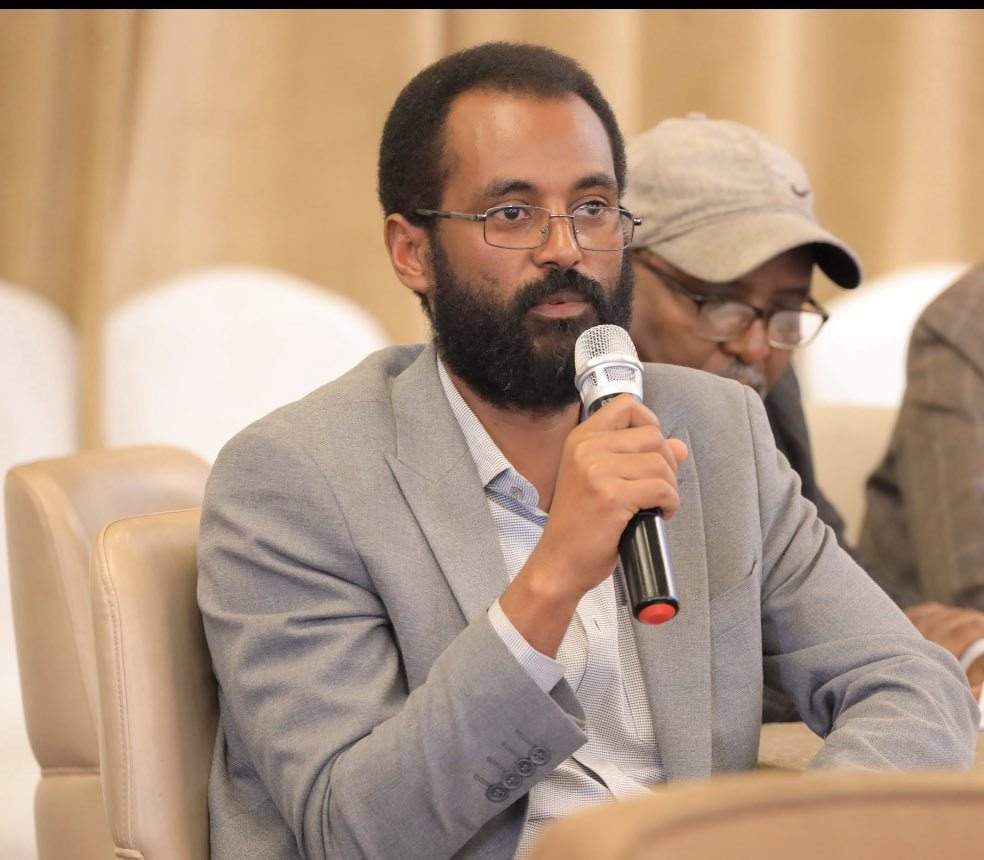
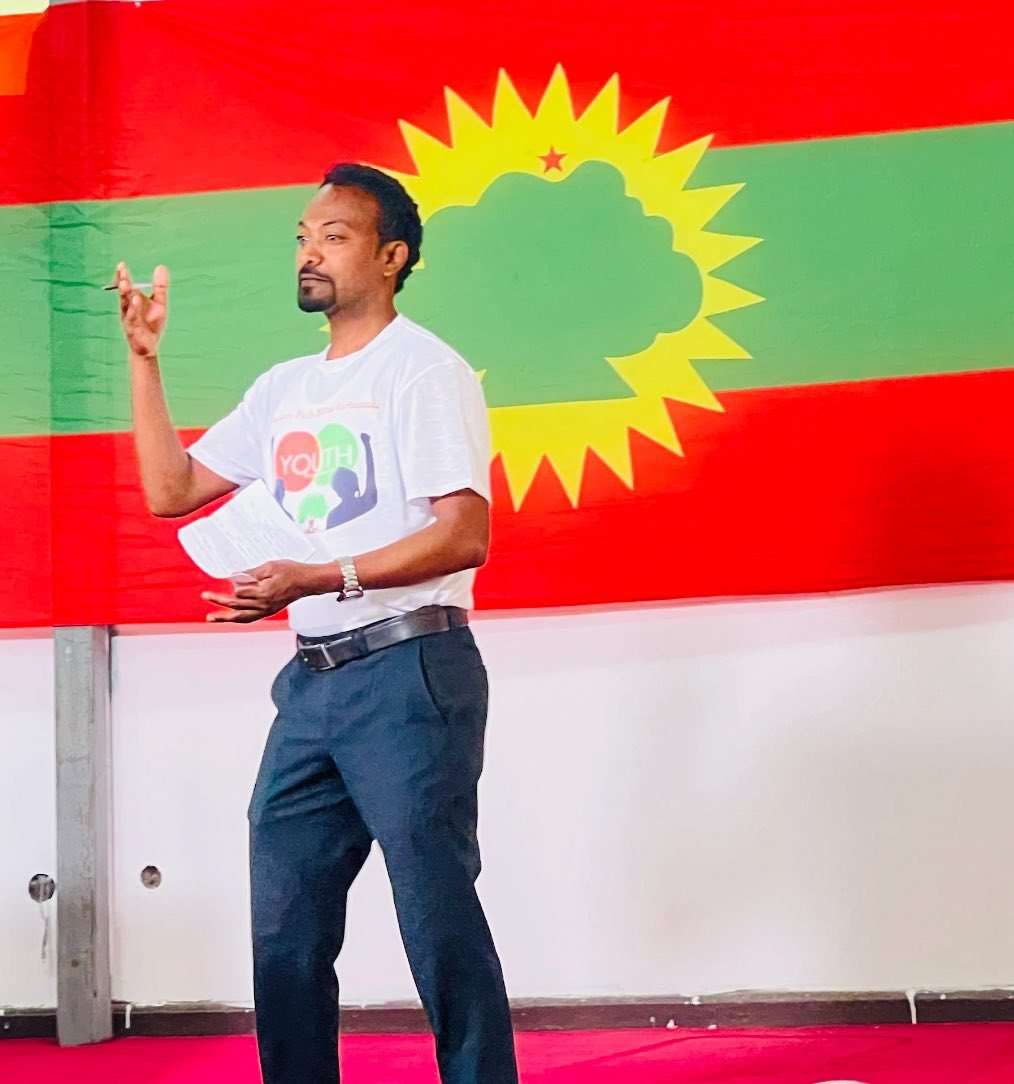
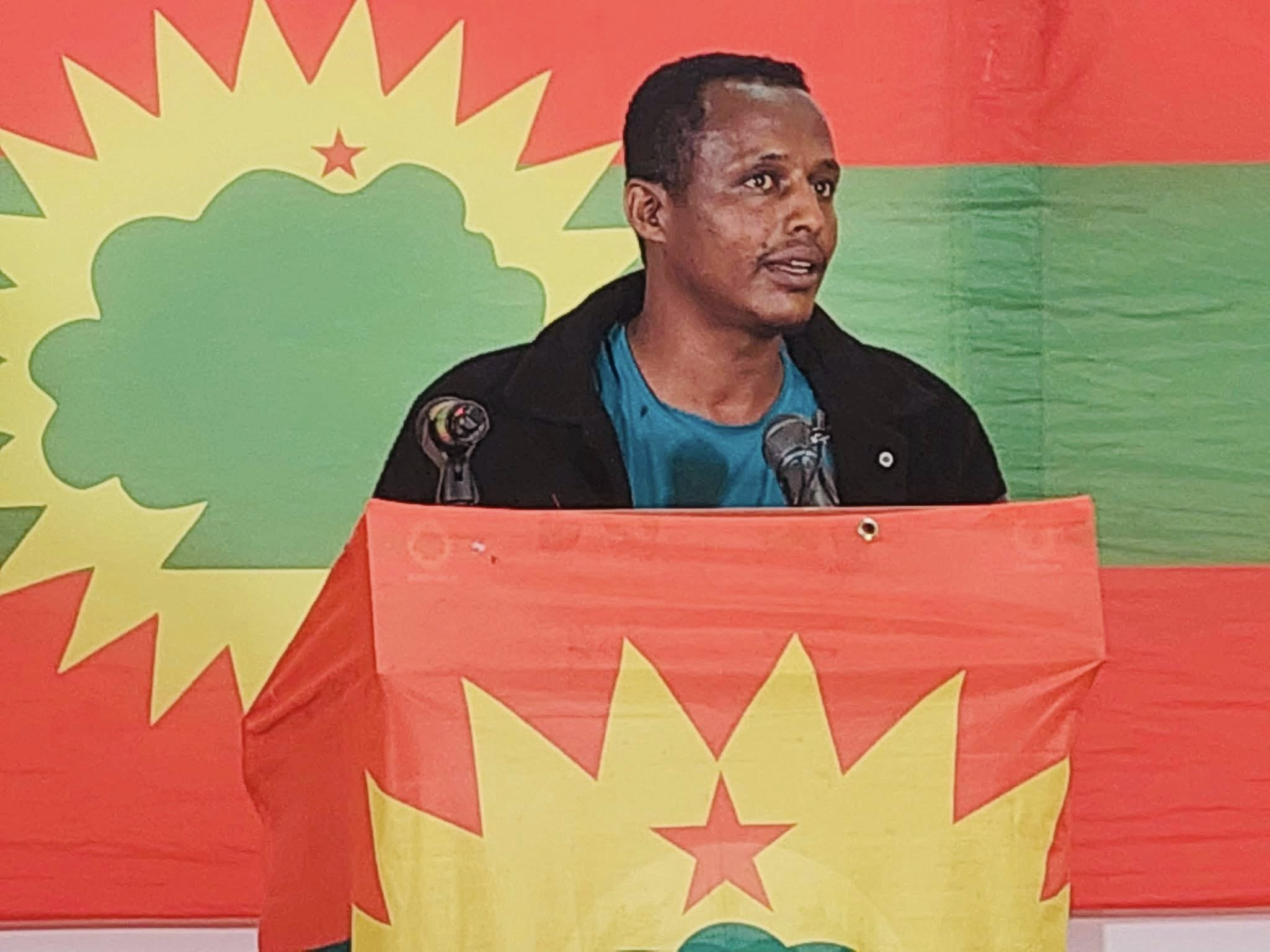
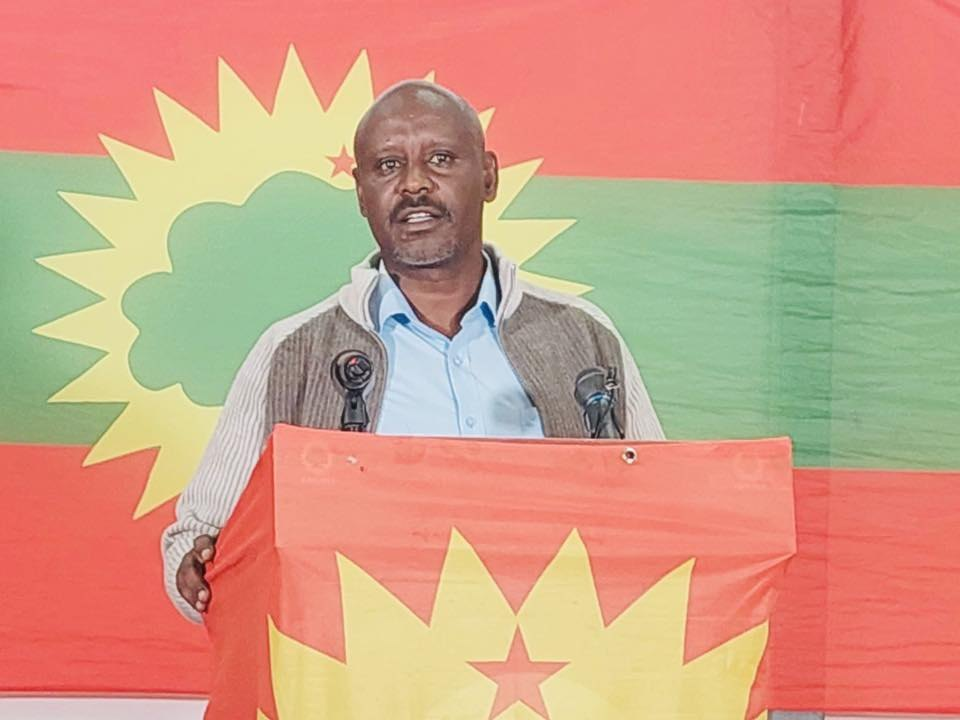
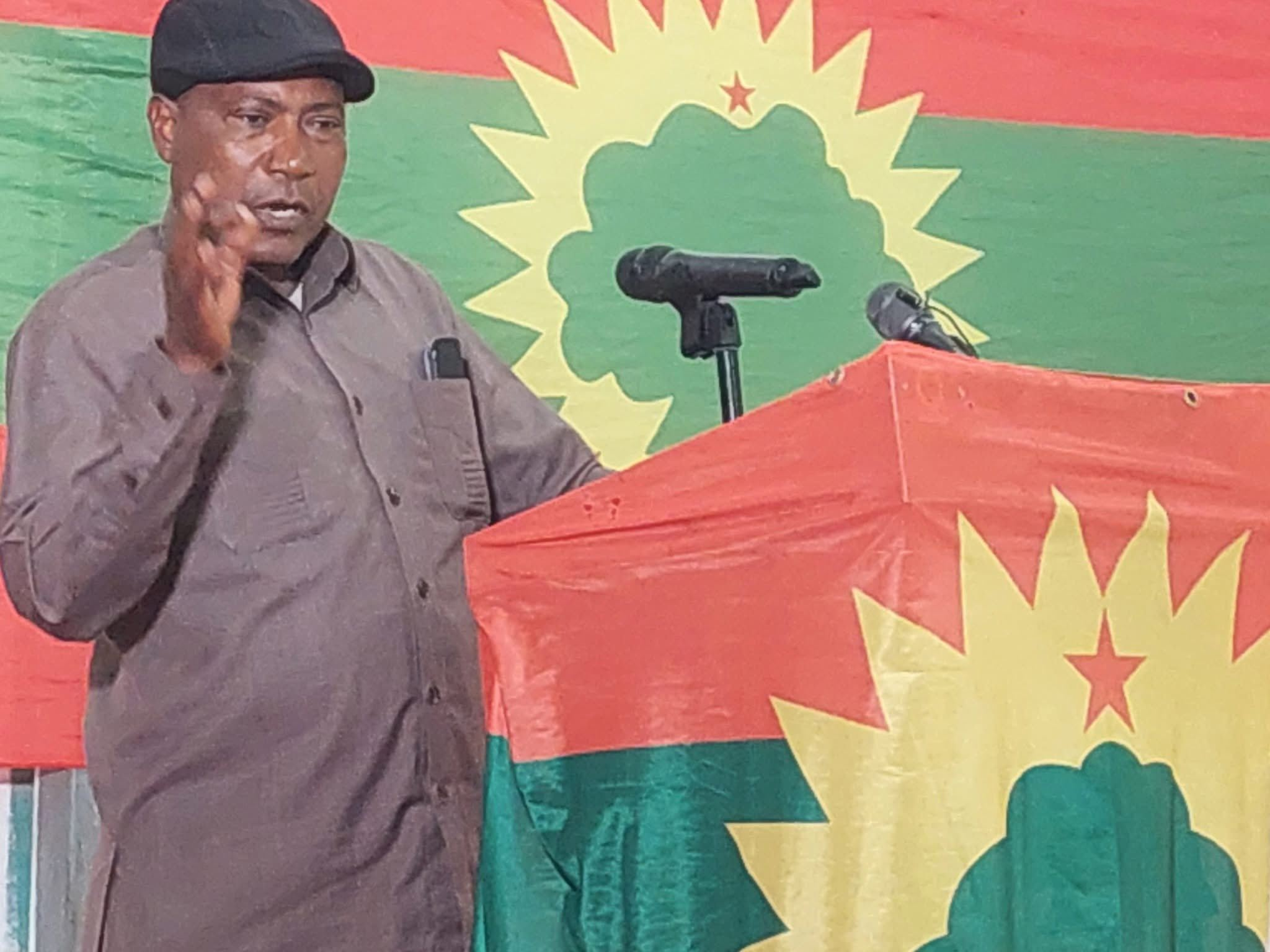
As Ethiopia prepares for its pivotal Seventh General Election, a profound generational shift is unfolding within the ranks of the Oromo Liberation Front (OLF). The party’s slate of candidates is increasingly defined by a cadre of highly educated, media-savvy, and strategically-minded young Oromos who represent the maturation of a decades-long struggle and the living hope of their people.
The upcoming election is viewed by many within the Oromo national movement not merely as a political contest, but as a potential culmination. The prospect of seeing these young, academically and professionally accomplished candidates—”who have grown up wise and skilled within the sphere of the OLF”—enter Parliament is seen as the realization of the Oromo people’s long-held aspiration for rightful representation and justice.
From Sacrifice to the Ballot Box
The OLF underscores that these candidates embody a legacy of sacrifice. “The OLF is presenting these educated youth,” states a party communique, “who have forsaken their own personal lives and safety to fight for the protection of their people’s interests.” Their candidacies are framed not as personal ambition, but as the logical next step in a collective liberation struggle. They are portrayed as the intellectual and political heirs of that struggle, now prepared to translate its objectives from the fields of activism into the halls of legislation.
The party message strikes a tone of determined optimism and urgent action: “As you know, the Oromo people who speak for you and on your behalf—when the day comes that the National Election Board confirms the locations where the election will be held, we will gather the candidates who represent you and prepare them.” The ultimate aim is to ensure the election becomes a peaceful, legitimate forum where “the rights of our nation are respected.”
More Than Politicians: Storytellers, Historians, and Strategists
Crucially, the OLF is reframing the identity of its political representatives. “These are not just political figures,” the narrative asserts. “They are historians, writers, strategists. They are the children of the Oromo people.”
This characterization is powerful. It positions these candidates not as distant bureaucrats, but as organic intellectuals whose understanding is rooted in the lived history and cultural consciousness of their community. They are presented as the very storytellers and analysts who can articulate the Oromo narrative within—and to—the Ethiopian state.
A Critical Test of the Political Transition
The emergence of this “vanguard generation” within the OLF’s electoral strategy marks a critical test for Ethiopia’s post-2018 political transition. Their participation seeks to answer a fundamental question: Can a movement historically engaged in armed struggle successfully channel its energy, its grievances, and its vision through democratic competition?
For the Oromo electorate, particularly the youth (Qeerroo), these candidates represent a bridge between the protest-filled recent past and a potential future of institutional influence. Their success or failure at the polls will be interpreted as a verdict on the feasibility of achieving Oromo objectives through parliamentary means.
As the election campaign begins, the world will be watching not just the OLF as a party, but this new generation of leaders. They carry with them the weight of history, the expectations of a nation, and the formidable task of transforming a legacy of resistance into a blueprint for governance.
 Oromedia