የአባት ዶቲ ቱራ አጭር የትግል እና የህይወት ታሪክ

አባት ዶቲ ቱራ ከቀደሙት የትምህርት ጠበቃዎችና ለህዝባቸው ነጻነት የቆመው ከጥቂቱ ታጋዮች መካከል አንዱ ነበሩ። የትምህርት ኃይል በሙሉ የሚያስተውሉትን ብርሃን ለሌሎች ለማካፈል ያልተዳከሙ የእውቀት አባት ነበሩ።
በምዕራብ አርሲ ዞን፣ ነጌሌ አርሲ ወረዳ ከተወለዱ በኋላ፣ አባት ዶቲ ከህጻንነታቸው አንስቶ ለህዝባቸው የሚደርሰውን እውቀታዊ እና ማንነታዊ ጭፍጨፋ አስተውለው ነበር። በንጉሠ ነገሥቱ ዘመን የመጀመሪያ ደረጃ ትምህርታቸውን እስከ 5ኛ ክፍል ካጠናቀቁ በኋላ፣ በጎቤና በመቂ (ምሥራቅ ሸዋ) ከተሞች እንደ መምህር ተመድበው ለብዙዎች የእውቀት ብርሃን አበራላቸው። በእግራቸው ብዙ ኪሎሜትሮችን ተጉዘው ትውልዳቸውን በትምህርት ለማሳደግ አስተዳደሩ።
የአባት ዶቲ ትግል ግን በመማርና በመማር ብቻ አልተገደበም። የኦሮሞ ማህበረሰብ ባህል፣ እሴት እና ማንነት እንዲያድግ በማድረግ፣ እንዲሁም በወቅቱ ከነበረው አስተዳደራዊ ስርአት ለመጣል መንገድ አሳይተዋል። ወደ አዲስ አበባ ከመጡ በኋላ፣ ከመምህርነት በተጨማሪ የተለያዩ የንግድ ስራዎችን በመከናወን ሀብት አፍርተው፣ ይህንንም ሀብት ሙሉ በሙሉ ለኦሮሞ ሕዝብ የነጻነት ትግል አበረክተው።
በ1960 ዎቹ የተነሳውን የትጥቅ ትግል፣ የተማሪዎች ንቅናቄ እና የመጫና ቱለማ ማህበር እንቅስቃሴ በገንዘብ እና በሙያ ረድተዋል። አባት ዶቲ በኦሮሞ የትግል ታሪክ ውስጥ ከቄስ ጉዲና ቱምሳ፣ ጃል ባሮ ቱምሳ፣ ጃል ሞቱማ አብዲ እና ጃል መገርሳ በሪና ከሌሎችም ጉምቱዎች ጎን ለጎን ቆሞ በጋራ ያገለገሉ አንዱ ናቸው።
ለዚህም ትግላቸው ዋጋ፣ ከቄስ ቱምሳ ጉዲና ጋር ለ10 ዓመታት በእስር ታስረዋል። ከኃይለሥላሴ መንግሥት አስተዳደር እስከ ወያኔ መንግሥት ዘመን ድረስ በተደጋጋሚ እስርና እንግልት ከደረሰባቸው በኋላ፣ ሀገራቸውን ለቅቀው ለመሰደድ ተገደዱ። ትግላቸው ግን በስደት ያለባቸው አሜሪካ፣ ፖርትላንድ ግዛት ላይ ቀጠለ።
አባት ዶቲ በስደት አገር በረጅም ህመም ከተያዙ በኋላ በህክምና ሲረዱ ቆይተው በህዳር 18 ቀን 2018 ዓ.ም ከዚህ ዓለም በሞት ተለዩ። ዜና ህልፈታቸው ለሚያውቋቸው ሁሉ ጥልቅ ሐዘን ፈጥሯል።
የቀብር ሥርዓት
የአባት ዶቲ ሬና ከአሜሪካ አገር ነገ ጠዋት 1:00 ሰዓት (ማለዳ) ቦሌ ዓለም አቀፍ አውሮፕላን ማረፊያ ላይ በክብር ይቀበላል። ከዚያም ወደ ባቱ-ዝዋይ ከተማ (5:00 ሰዓት) እና ነጌሌ አርሲ ከተማ (7:00 ሰዓት) በሚደረግ ስነ-ስርዓት ከተሰናበተ በኋላ፣ ስርዓተ ቀብራቸው በትውልድ ሀገራቸው ኩየራ አድቬንቲስት ቤተ ክርስቲያን ከቀኑ 8:00 ሰዓት ላይ ይፈጸማል።
የአባት ዶቲ ወዳጆች፣ የቃል አዛውንት እና አድናቂዎች ሁሉ በዚህ አሳፋሪ ጊዜ በስነ-ስርዓቱ ላይ ተገኝተው የመጨረሻ አዳም ስግደት እንደሚሰጡ በሙሉ ክብር እንጠይቃለን።
ለቤተሰቦቻቸው፣ ለዘመዶቻቸው እና ለኦሮሞ ሕዝብ በጠቅላላ መጽናናትን እንመኛለን። ለዘላለም ይታሰባሉ!
Irreecha Festival at Hora Shaankurii Celebrates Peace, Unity, and Gratitude
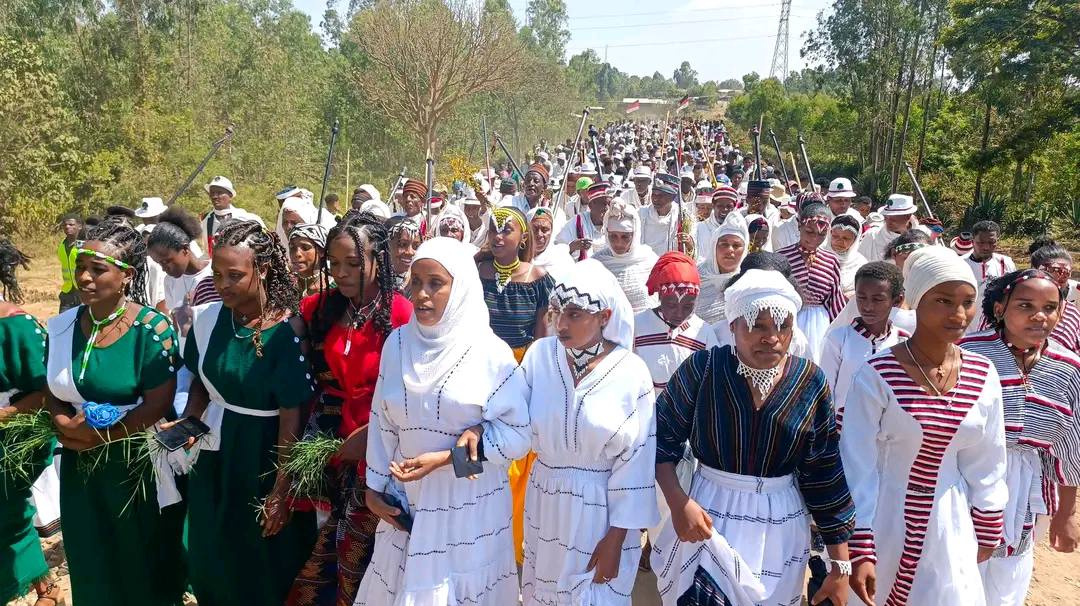
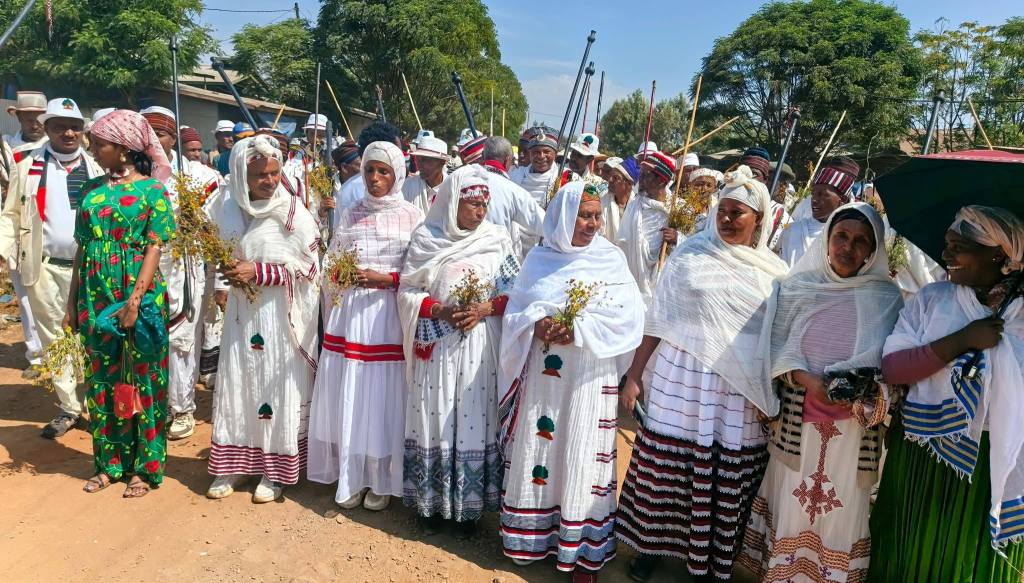
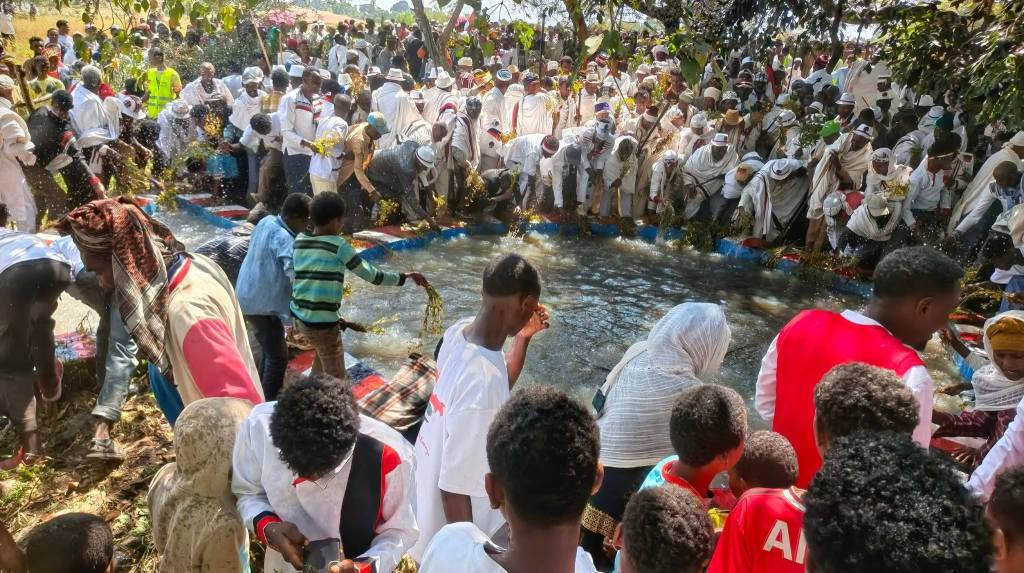
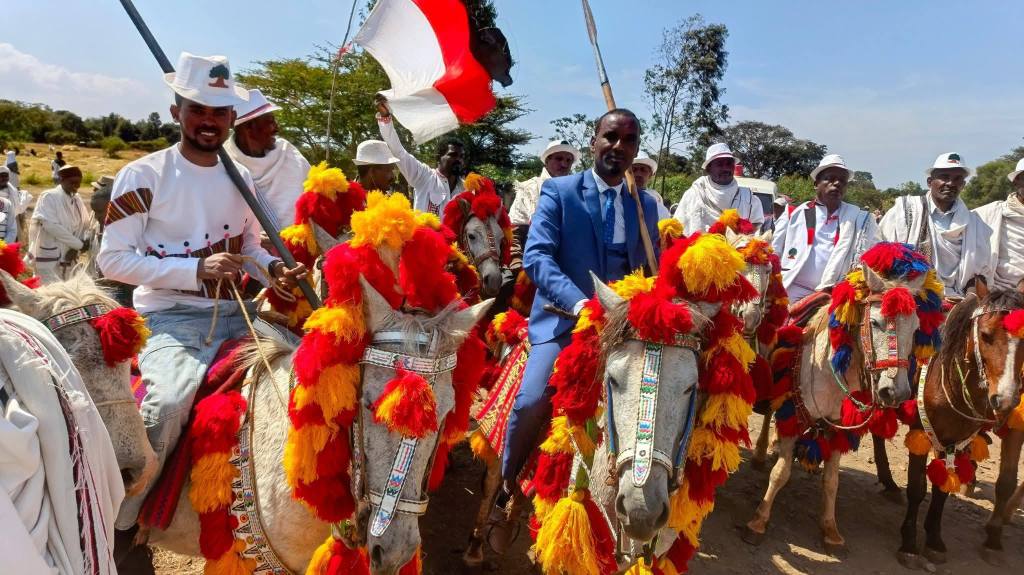
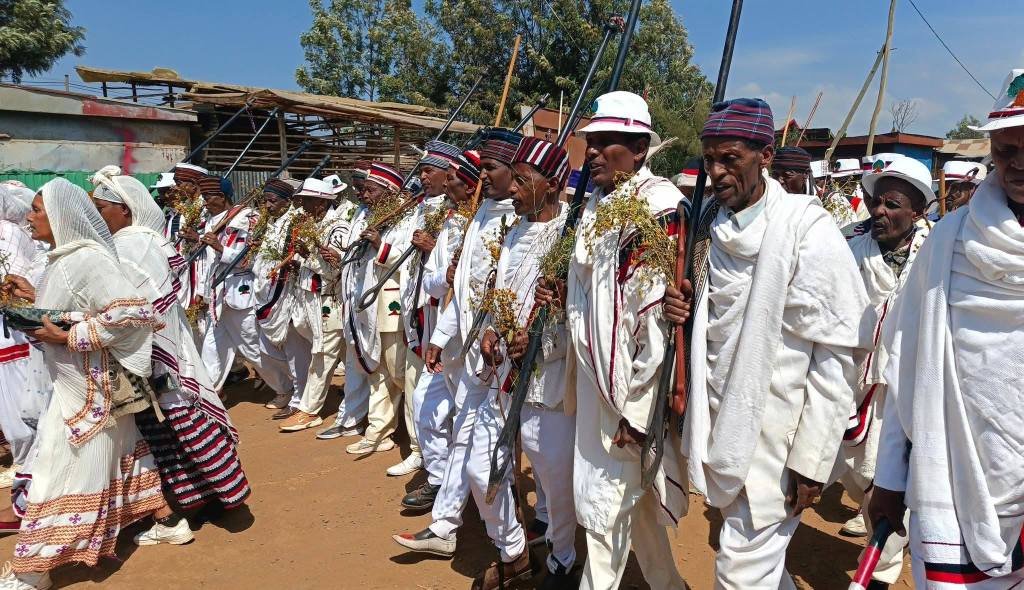
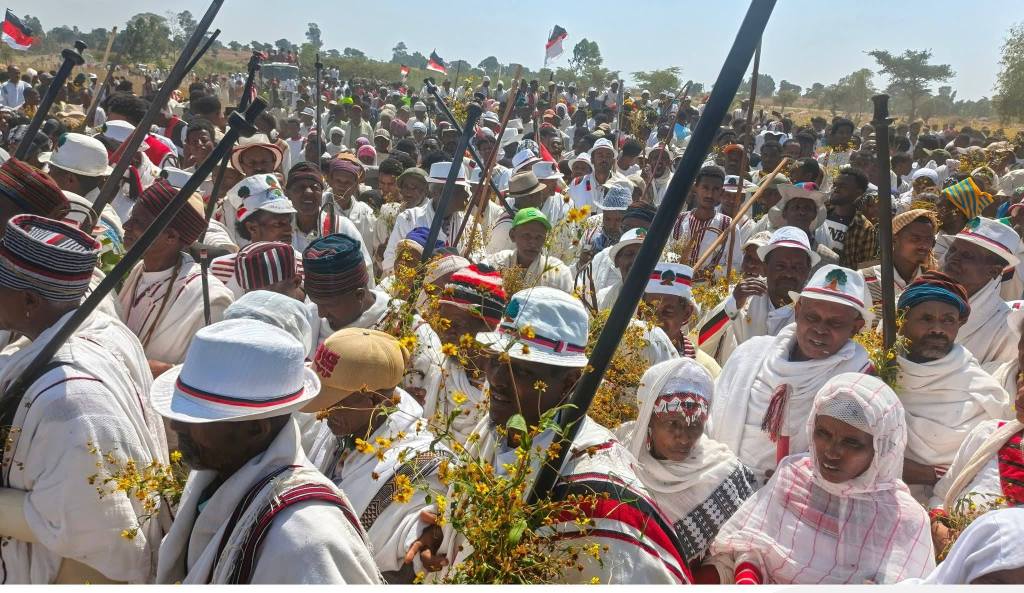
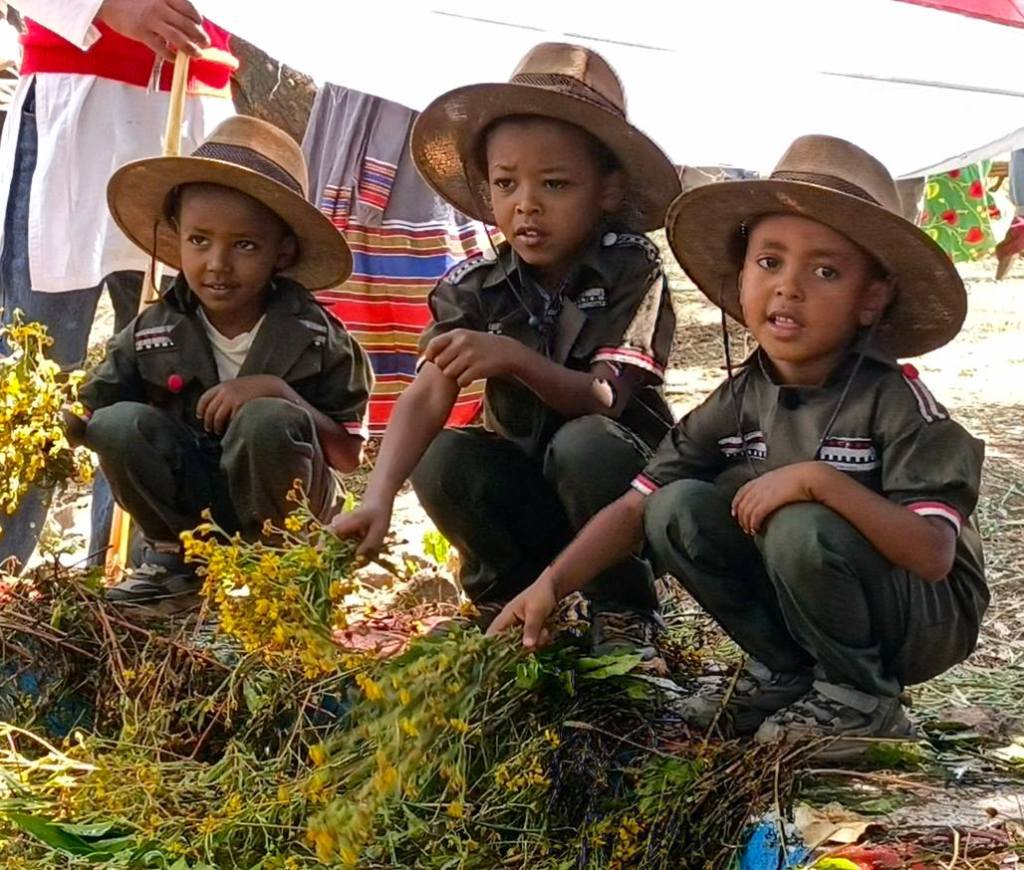
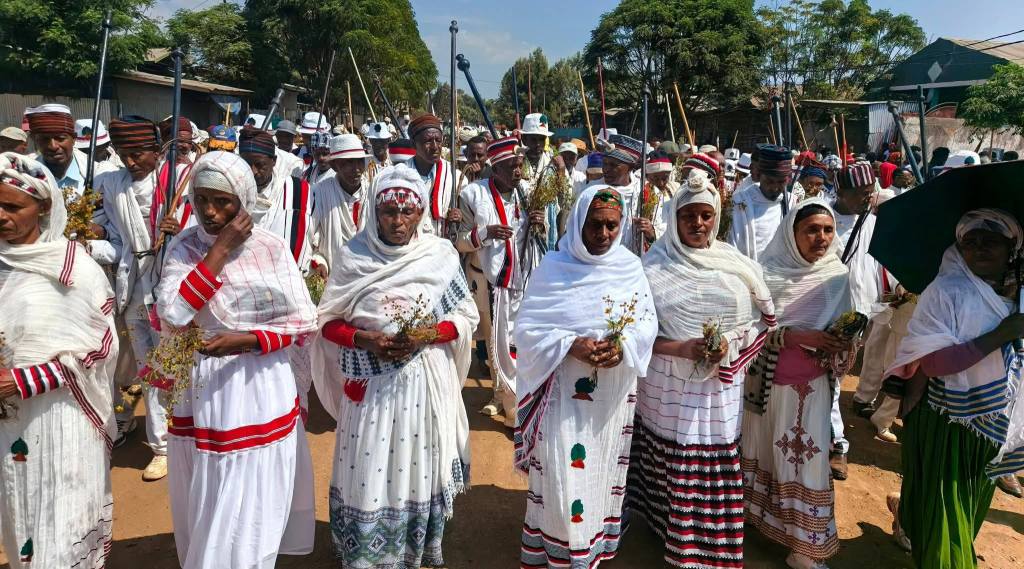
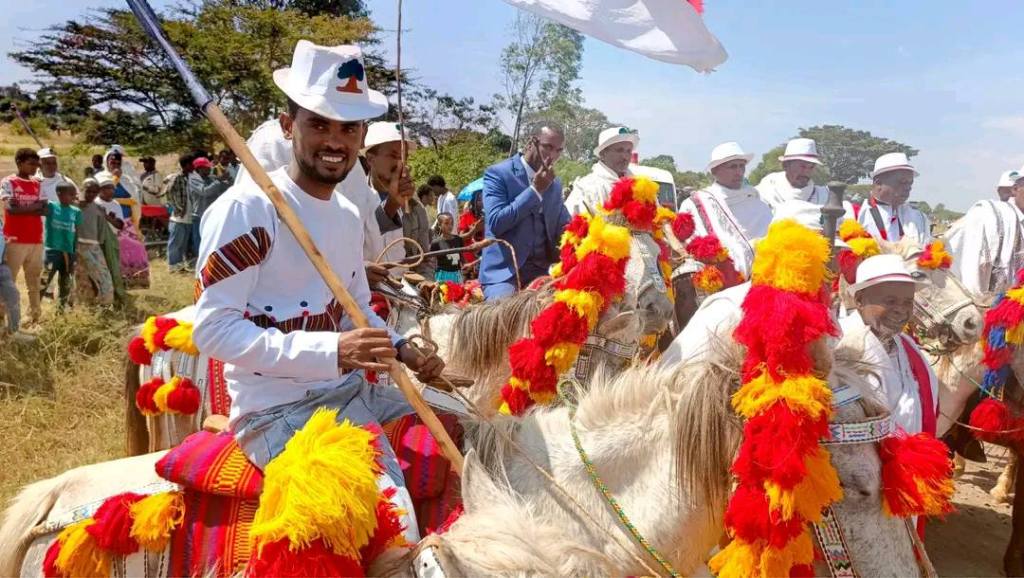
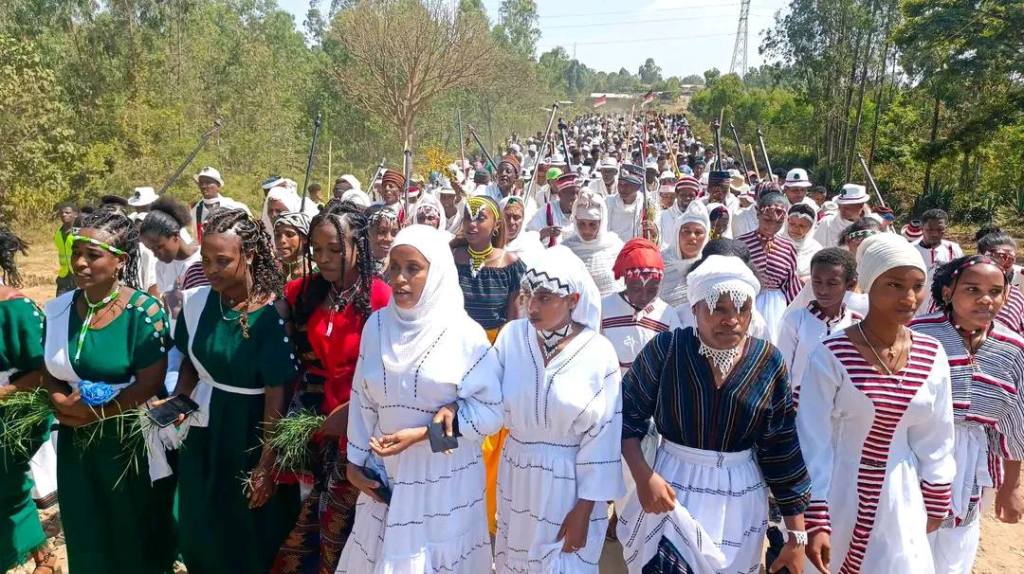
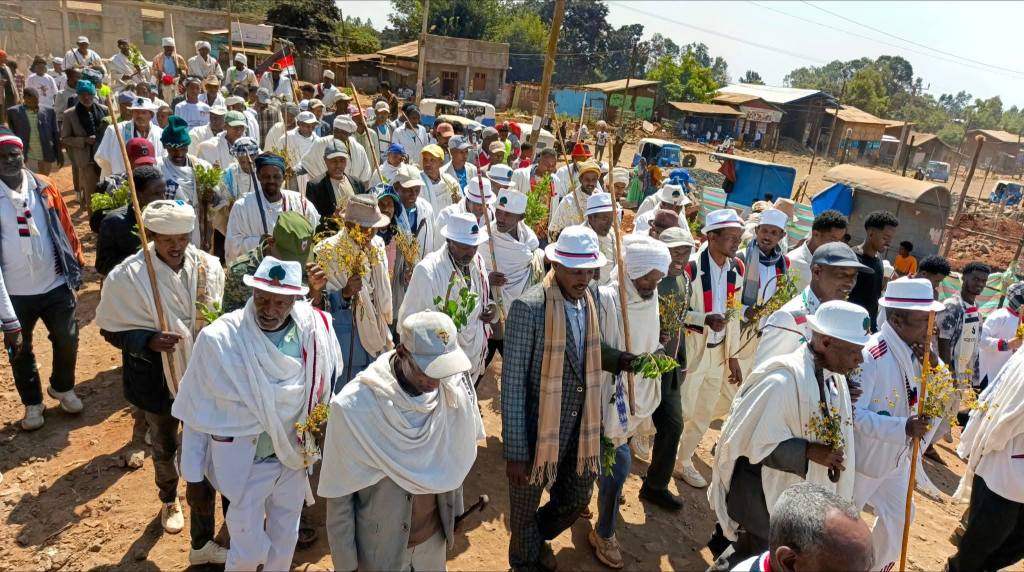
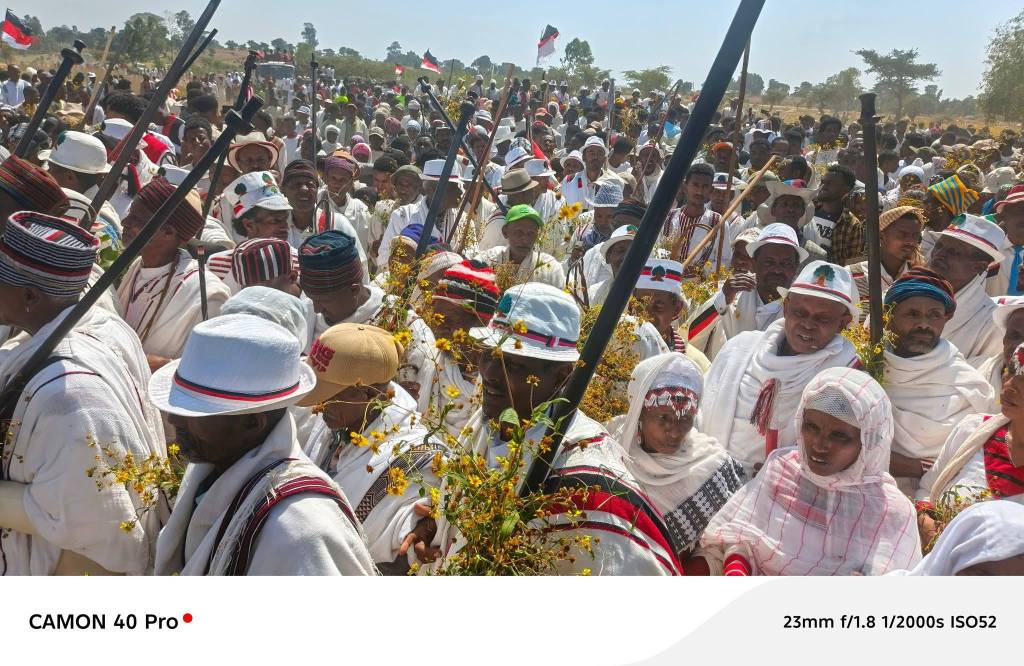
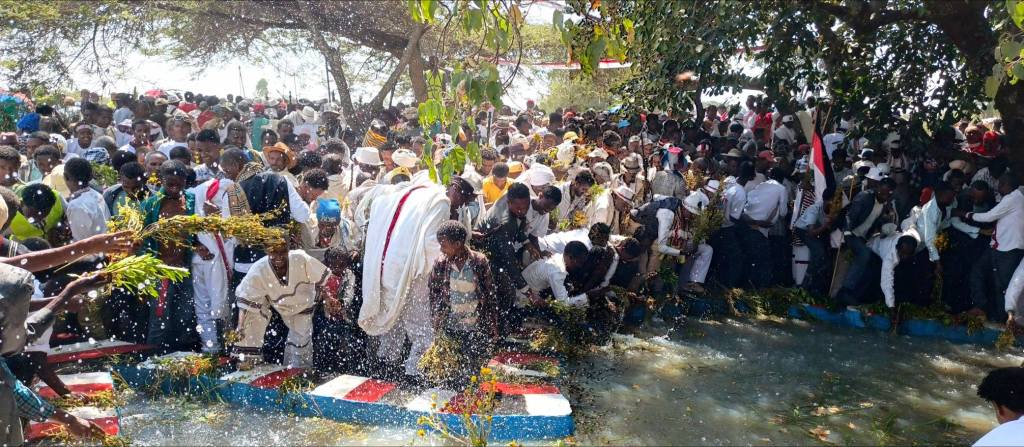
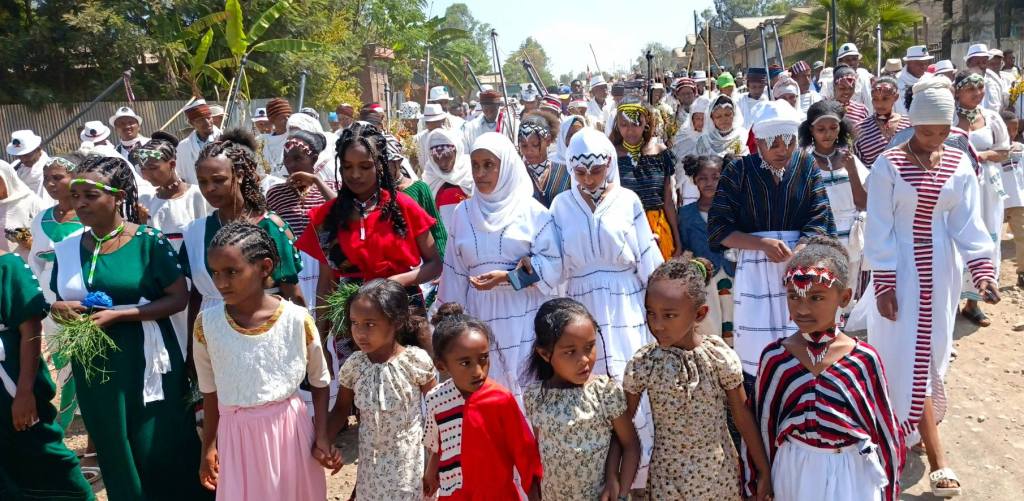
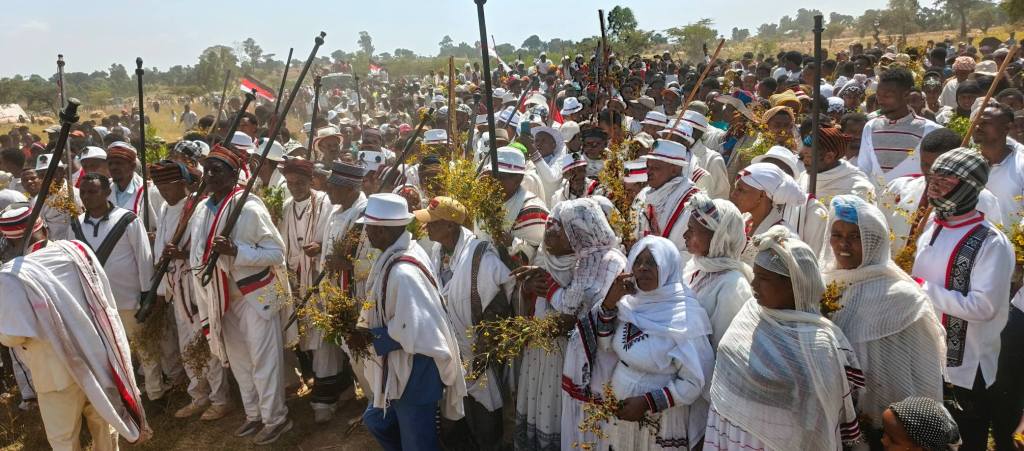
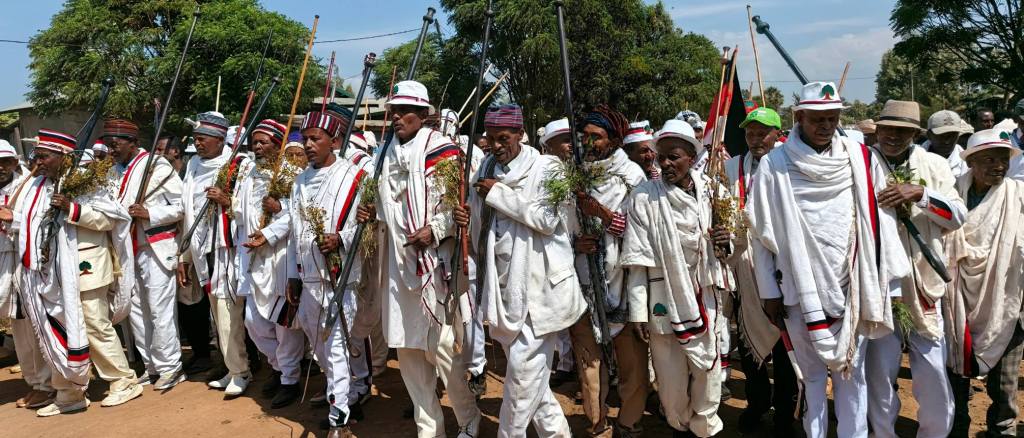
NOONNO, WEST SHEWA – The Irreecha festival, a symbol of peace, reconciliation, thanksgiving, love, brotherhood, and prosperity, was celebrated with great fervor at the Hora Shaankurii spring in the Nonno district of the West Shewa Zone.
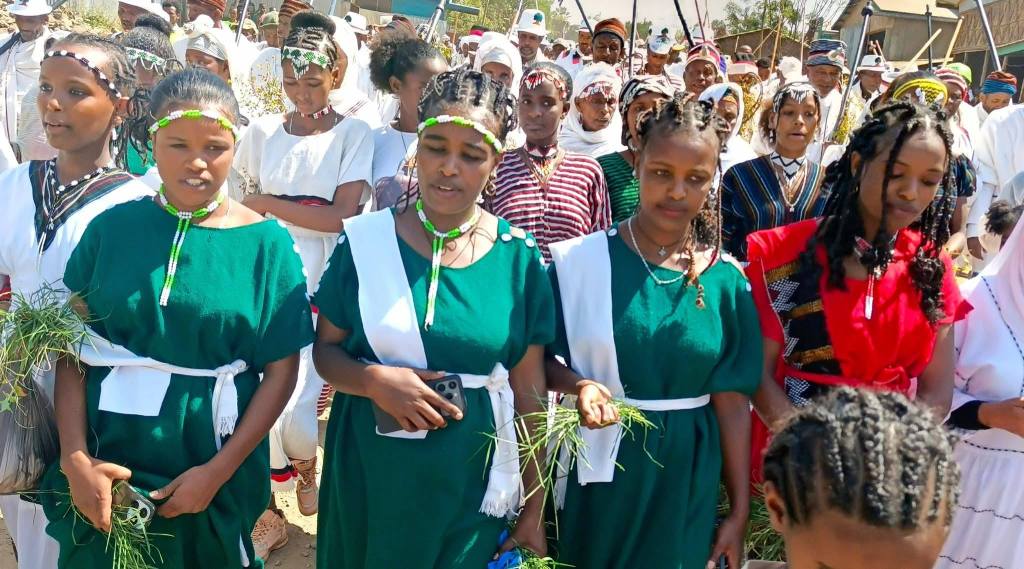
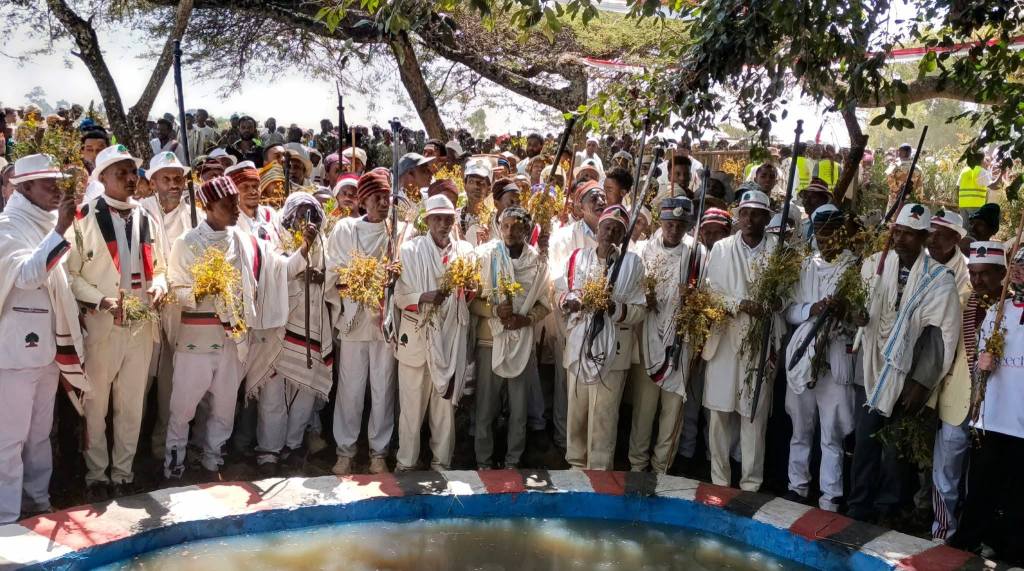
On Saturday, September 29, 2025, the ceremony was held at the sacred site, drawing large crowds of participants. The celebration was a profound display of Oromo culture and spirituality, attended by Qeerroo and Qarree youth, women carrying siinqee (symbols of women’s power), and Gadaa leaders.
In Oromo tradition, Irreecha is a thanksgiving festival through which the Oromo people express gratitude to Waaqaa (God), celebrate life, and pray for the resolution of hidden conflicts and for a prosperous future. The ceremony commenced with the Abbaa Horaa (custodian of the spring) performing the ritual, followed by the Eebba (prayers and blessings) led by the Gadaa leaders.
The festival serves not only the Oromo people but also as a beacon of unity, love, and genuine brotherhood among all nations and nationalities, strengthening mutual respect and understanding.
In conclusion, the Gadaa leaders of Noonno district extended their gratitude to the Foolee (youth), various security forces, the community of the district, and all individuals who contributed to the successful and respectful celebration of the festival.



A tragic incident: Oromo woman was shot and killed.
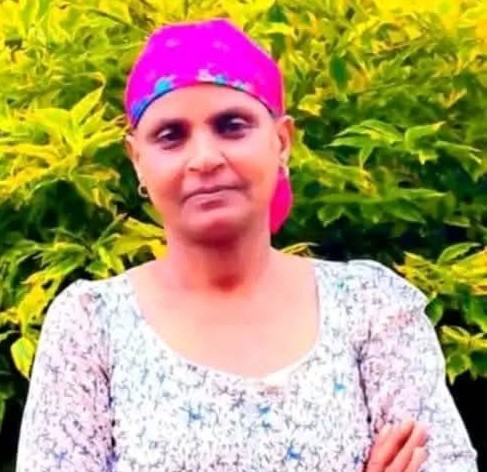
[SBO – November 24, 2025] Oromo Woman, Likkinesh Tarrafaa, Reportedly Killed by Gunfire in Boji, West Wallagga.
A tragic incident has been reported in the West Wollega Zone of Oromia, where an Oromo woman was shot and killed.
According to a report obtained by the Sagalee Bilisummaa Oromoo (SBO) media outlet, the victim, identified as Likkinesh Tarrafaa, was fatally shot by armed assailants on the morning of Monday, November 23, 2025. The killing took place in the Boji area of the West Wallagga zone.
The report states that the identity of the armed group responsible for this act remains unknown. It is also reported that the local community has been plunged into a state of severe fear and anxiety following the killing.
This targeted killing of Likkinesh Tarrafaa is a heinous act that demands immediate and transparent investigation. All relevant authorities must be held accountable to clarify the circumstances of this death and bring the perpetrators to justice.
Remembering Professor Hamdeessaa Tusoo: A Legacy of Oromo Advocacy
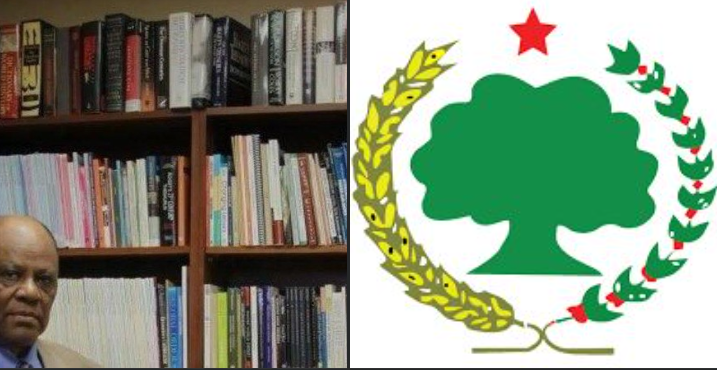
A Message of Condolence from the Oromo Liberation Front (OLF) on the Passing of Professor Hamdeessaa Tusoo
The Oromo Liberation Front (OLF) expresses its profound grief and sorrow upon learning of the passing of the esteemed Oromo scholar, historian, and human rights advocate, Professor Hamdeessaa Tusoo.
Professor Hamdeessaa Tusoo was born and raised in Nageellee Arsi, West Arsi Zone, in the southeastern region of Oromia.
From his youth, Professor Hamdeessaa was a witness to the oppression and resistance of the Oromo people under successive Ethiopian imperial regimes. His personal history reveals that he grew up amidst the struggles of his people, developing from an early age into a resolute individual who refused to be a tool of the enemy’s oppression.
After completing his primary and secondary education, Professor Hamdeessaa pursued advanced studies abroad. He earned a B.A. in History from Avondale College, Australia (1972), an M.A. in Conflict Resolution from Andrews University, USA (1974), and a Ph.D. in Conflict Resolution and Peacebuilding from Michigan State University, USA (1981). His doctoral research focused on conflict resolution, peacebuilding, and the role of Oromo cultural traditions.
Leveraging his academic expertise, he conducted various research projects and served as the Director of International Student Services and Oromo Cultural Affairs at George Mason University (1982–1990), where he engaged deeply with the Oromo diaspora.
His distinguished academic career also included positions as a Professor in the Department of Conflict Resolution at Nova Southeastern University (1998–2004), the Esau Distinguished Visiting Professor of Conflict Resolution at Menno Simons College, University of Winnipeg (2006–2007), and a Professor in the Department of Peace and Conflict Studies at the University of Manitoba (2011–2019).
Among his numerous scholarly publications is the work Creating The Third Force: Indigenous Processes of Peacemaking, which presents the Oromo Gadaa system as a model for other nations.
Professor Hamdeessaa also played a significant role in the Oromo liberation struggle. He collaborated with Oromo activists, both living and deceased—such as Luba Guddinaa Tumsaa, Jaal Baaroo Tumsaa, Professor Muhaammad Hasan, Professor Asaffaa Jaallataa, and others—on matters concerning Oromummaa (Oromo national identity).
Furthermore, he initiated the “Shanachaa Jaarsummaa” (Elders’ Mediation) process (2001–2004) in a long-standing effort to resolve political conflicts within the Oromo liberation movement.
His contributions extended to international advocacy, including his involvement in the “Immigration and Refugee Forum” during the 1980s, which helped secure refugee status for Oromos in the USA, and his participation in the London Peace Conference (1991) aimed at transforming Ethiopia’s political system.
He was also instrumental in founding the Oromo Studies Association (OSA), through which he promoted extensive research and scholarship.
Moreover, as a professor to countless university students, he planted the seeds of peace, human rights, and social change, inspiring many to become advocates and achievers in these fields.
Professor Hamdeessaa Tusoo was an Oromo intellectual born into the Oromo struggle, who matured within it, and strived tirelessly to see the fruits of Oromo liberation. He passed away on November 22, 2025, in Winnipeg, Manitoba, Canada.
The Oromo Liberation Front (OLF) shares in this irreplaceable loss and extends its deepest condolences to his family, relatives, and the entire Oromo nation, wishing them patience and strength.
A fighter falls, but the struggle continues!
Victory to the Masses!
Oromo Liberation Front (OLF)
November 23, 2025
Finfinnee
Oromo Studies Association Remembers Professor Hamdeessaa Tusoo

Oromo Studies Association (OSA) Mourns the Passing of Professor Hamdeessaa Tusoo
The Oromo Studies Association (OSA) has expressed its profound sorrow upon the passing of the esteemed scholar and activist, Professor Hamdeessaa Tusoo.
In an official statement, OSA remembered Professor Hamdeessaa not only as a brilliant Oromo intellectual but also as a founding member who played an indispensable role in the establishment of the association. The statement emphasized that his contributions to the fields of Oromo scholarship and the global academic community were truly immeasurable.
The association highlighted his pivotal leadership from the very beginning, noting that he served as its first president and laid a strong foundation for the organization. This was at a critical time in 1986 when Oromo history, knowledge, and culture were under significant pressure. Professor Hamdeessaa provided crucial leadership and made immense contributions to building a robust institution dedicated to critical inquiry, intellectual empowerment, and collective advancement.
OSA’s statement further detailed the professor’s lifelong dedication. Born and raised in Oromia, he waged a long and steadfast struggle for the rights, dignity, and freedom of the oppressed Oromo people.
His commitment to the Oromo cause was evident early on; while in secondary school, he began his activism in human rights, demonstrating an unwavering sense of justice and a spirit of self-sacrifice for the goals of his people. These early experiences set the tone for a life dedicated to scholarship, mentorship, and public service.
After earning his Ph.D. from Michigan State University in 1981, Professor Hamdeessaa held significant academic positions at numerous prestigious institutions, including George Mason University, Antioch University, Nova Southeastern University, Menno Simons College, and the University of Manitoba.
His scholarly work was robust, focusing on critical areas such as peace and conflict, indigenous peacemaking, African oral traditions, and the politics of the Horn of Africa.
Beyond the academy, OSA noted, Professor Hamdeessaa Tusoo also played a major role in community service and empowerment, leaving a legacy that extends far beyond the classroom.
Oromia Support Group Details Human Rights Abuses in Ethiopia
Oromia Support Group Report Details Widespread Human Rights Abuses in Ethiopia
November 21, 2025 – The Oromia Support Group (OSG), an organization advocating for human rights, has released a damning 70-page report alleging systematic and widespread human rights violations across Ethiopia and the wider Horn of Africa.
The report, released on November 20, 2025, documents a severe crisis in Ethiopia, citing extensive human rights abuses, extrajudicial killings, the suppression of public dissent, and the widespread intimidation of civil society leaders.
The OSG’s findings echo concerns previously raised by international bodies. On September 9, 2025, during its 60th session, the UN Human Rights Council (UNHRC) expressed alarm over the human rights situation in Ethiopia, noting that rights to free expression, assembly, and political party association have been severely curtailed.
The OSG further highlighted significant concerns regarding the environment for the country’s upcoming 7th national election, scheduled for 2026, stating that civil society organizations and journalists are operating in a climate of intense fear and repression.
According to the OSG, a significant portion of the human rights violations in Ethiopia are perpetrated by state security forces and affiliated militias. The report details that the recurring inter-ethnic conflicts in Oromia, Amhara, and the post-conflict Tigray regions continue to inflict severe harm on civilian populations.
The group’s documentation provides a grim snapshot of Oromia, alleging that summary executions, arbitrary detentions, and property seizures by government forces are commonplace.
The OSG report specifically names numerous locations where these alleged killings have occurred, including major urban centers such as:
- Finfinnee (Addis Ababa)
- Shaggar
- Adaama
The list also encompasses a wide range of zones and regions across Oromia, such as:
- Shaawa: East, West, South-West, and Central Shaawa
- Arsi: West Arsi and East Arsi
- Hararge: East and West Hararge
- Wallagga: East, West, Qellam, and Horro Guduru Wallagga
- Gujii: East and West Guji
- Boorana
- Bunnoo Badallee
- Jimma
- Iluu Abbaa Booraa
This extensive list underscores the report’s central claim that human rights abuses are not isolated incidents but are pervasive throughout the Oromia region.
Remembering Obbo Dootii Turaa: A Legacy of Oromo Leadership
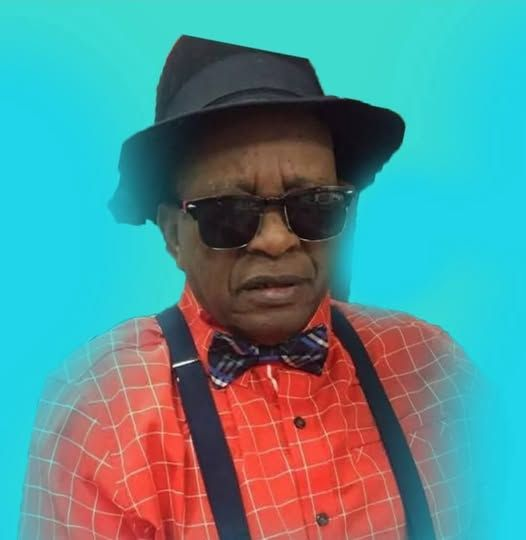
The Oromo Liberation Front (OLF) has announced the passing of the esteemed Oromo freedom fighter and elder, Obbo Dootii Turaa, expressing its profound sorrow at this great loss.
In an official statement, the OLF conveyed that the death of Obbo Dootii Turaa has left them with a sense of deep and immense grief.
Obbo Dootii was born in 1925 in Nageellee Arsi, Arsi West Zone, in the Southeastern part of Oromia. From a young age, he was deeply conscious of his identity. After completing his elementary education, he became a teacher in his home region, serving in Goobee town and later in Maqii, in East Shewa. In this role, he was dedicated to educating his people on various subjects, ensuring they knew their culture and identity, and teaching them about the realities of living under a foreign colonial system.
After moving to Finfinnee (Addis Ababa), he continued his education and, during the reign of Haile Selassie, ventured into business. He built a family home and a business enterprise, and he strategically used the wealth he accumulated to openly support the Oromo struggle for liberation.
He actively participated in the resistance against the feudal regime, taking part in the 1960s student movements and the initial organized resistance. He also supported the Macca and Tuulama Self-Help Association, contributing his professional skills and financial resources in a significant and visible manner.
Furthermore, during a time when few were dedicating themselves to the cause, Obbo Dootii transformed his business into a meeting place for freedom fighters and his family home into a safe house for them. He also provided material support to the Oromo Liberation Army (OLA).
Through his overt and covert work, he collaborated with members and supporters of the OLF, such as the late Luba Guddinaa Tumsaa, Baaroo Tumsaa, Muhee Abdoo, and former OLF High Council member Magarsaa Barii. He was subsequently accused by the oppressive regime of the time and imprisoned for ten years alongside Luba Guddinaa Tumsaa.
Throughout successive Ethiopian regimes—the Haile Selassie monarchy, the Derg, and the TPLF/EPRDF—Obbo Dootii Turaa was repeatedly imprisoned and severely persecuted.
Under the particularly brutal repression of the EPRDF/TPLF/OPDO regime, he was forced into exile, ultimately living as a refugee in the United States.
Obbo Dootii Turaa was a wise Oromo elder, a visionary leader, and a respected authority on Oromo affairs and identity. He remained unwavering in his commitment to Oromo freedom until his final days. He passed away on November 18, 2025, in the United States, at an advanced age after a period of illness.
Remembering Obbo Dootii Turaa: Oromo Freedom Fighter
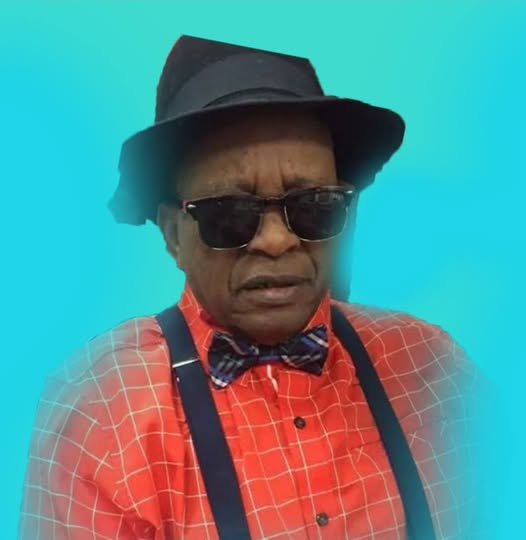
Condolence Statement
On the Passing of Oromo Freedom Fighter and Elder, Obbo Dootii Turaa (1925-2025)
Oromo Liberation Front (OLF)
The Oromo Liberation Front (OLF) expresses its profound and deepest sorrow at the passing of the esteemed Oromo freedom fighter and elder, Obbo Dootii Turaa.
Obbo Dootii was born in 1925 in Nageellee Arsi, Arsi West Zone, in Southeastern Oromia. From a young age, he was deeply conscious of his identity. After completing his elementary education, he became a teacher in his home region, first in Goobee and later in Maqii, in North Shewa. In this role, he was dedicated to educating his people about their culture and history, teaching them about Oromo identity and the realities of living under a colonial system.
After moving to Finfinnee (Addis Ababa), he pursued business during the reign of Haile Selassie. He strategically used the wealth he accumulated to openly support the Oromo struggle for liberation.
He actively participated in the resistance against the feudal regime, taking part in the 1960s student movements and the initial organized resistance, including supporting the Macca and Tuulama Self-Help Association. He was among the few who dedicated their lives to the cause, transforming his business into a meeting place for freedom fighters and his home into a safe house. Furthermore, he provided material support to the Oromo Liberation Army.
Through his overt and covert work, he collaborated with members and supporters of the OLF, such as the late Luba Guddinaa Tumsaa, Jaal Baaroo Tumsaa, Jaal Muhee Abdoo, and former OLF High Council member Jaal Magarsaa Barii. He was subsequently accused by the oppressive regime of the time and imprisoned for ten years alongside Luba Guddinaa Tumsaa.
Throughout successive Ethiopian regimes—the Haile Selassie monarchy, the Derg, and the TPLF/EPRDF—Obbo Dootii Turaa was repeatedly accused, imprisoned, and severely persecuted. Under the particularly brutal repression of the EPRDF/TPLF/OPDO regime, he was forced into exile, ultimately living as a refugee in the United States.
Obbo Dootii Turaa was a wise Oromo elder, a visionary leader, and a respected authority on Oromo affairs and identity. He remained unwavering in his commitment to Oromo freedom until his final days. He passed away on November 18, 2025, in the United States, at an advanced age after a period of illness.
The Oromo Liberation Front (OLF) conveys its heartfelt condolences and shares in the grief of his family, relatives, and the wider Oromo nation. We pray for strength and resilience during this difficult time.
A Fighter Falls, The Struggle Continues!
Victory to the Masses!
Oromo Liberation Front (OLF)
November 18, 2025
Finfinnee
The Gada System: A Living Legacy Passed to a New Generation
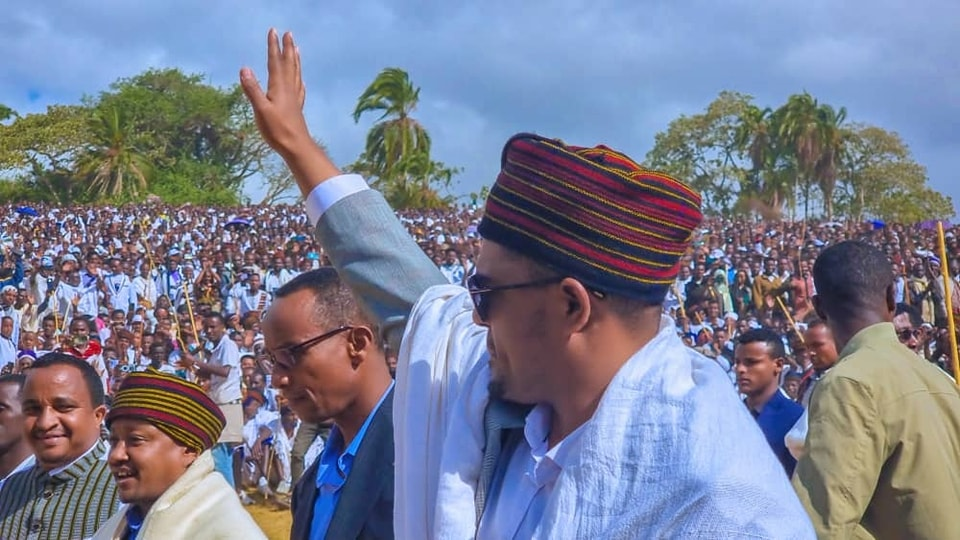
The Gada system is the proud heritage of the Oromo people. It is a system of bravery and discipline, founded on structured laws, principles, and timelines.
For over a century, the succession of Gada assemblies faced suppression and was pushed to the brink of being lost to the harsh pressures of the time. However, because our people held steadfast to their system and culture, it has not only been revived but has also gained worldwide recognition. As is well known, the Gada system is registered by the United Nations Educational, Scientific and Cultural Organization (UNESCO) as an Intangible Cultural Heritage of Humanity.
The Guji Oromo have played an exceptional role in preserving this system to the present day. For the Guji, Gada is not just for the leaders; the entire community forms the foundation of this system. As evidence, since 1424 [2012 EC], the Guji have recorded every Abbaa Gada who has led them through successive generations, without significant error or omission. In that year, following established tradition, they gathered at Me’ee Bokkoo for the transfer of power (Baallii), establishing laws and conducting various rituals and ceremonies.
In accordance with Oromo law and tradition, the assembly sat continuously at Me’ee Bokkoo for the past seven days. They established and proclaimed the nine articles of “The Wayyooma Waaqaa Lafaa and the Bulii Olii of Sons and Daughters.” This assembly has a father. Its father is Abbaa Gadaa Jiloo Maandhoo. He was the 74th Haaganaa, or General Abbaa Gadaa, of the Guji.
The process for the 75th Baallii transfer has been completed. Abbaa Gadaa Jiloo Maandhoo has concluded his term and received his honor (daraaraa). He was celebrated with the verse:
“Hoo’aa mi’ii gadaa tiyyaa
Hoo’aa itittuu gadaa tiyyaa
Hoo’aa areera gadaa tiyyaa
Hoo’aa daraaraa gadaa tiyyaa”
(Farewell, the council of my Gada; / Farewell, the foundation of my Gada; / Farewell, the legacy of my Gada; / Farewell, the honor of my Gada.)
The Gada power has moved from Gadaa Harmuufa to Gadaa Roobalee. Abbaa Gadaa Jaarsoo Dhugoo has received the Baallii! The former Abbaa Gadaa, Jiloo Maandhoo, has become an elder! The door has been closed! The door is now closed!
This is how the Oromo people have brought the Gada system to this day. As a member of this generation, witnessing the Gada assembly at Me’ee Bokkoo and the peaceful transfer of power for the 75th time filled me with immense joy.
The core mission of our Reformist Government is to restore the Oromo people to their culture and identity. Consequently, we are focusing significant effort on revitalizing it for the benefit of our society. The Gada system is being integrated into the educational curriculum, taught from primary school levels. At the higher education level, we are encouraging research leading to Master’s and PhD degrees.
Furthermore, we are working to re-establish and institutionalize Gada values. By drawing from its philosophy, we have established the Cultural Court of Law to ensure restorative justice. We have institutionalized community service to strengthen social bonds.
To foster mutual support and responsibility, we have re-established the Buusaa Gonofaa system. Going a step further, we are providing nutritious meals to schoolchildren, building a healthy future generation. We are establishing the Gaachana Sirnaa (Security Institutions) to ensure public safety. In the future, these civic institutions will continue to expand their reach and efficiency.
Me’ee Bokkoo is a sacred site. For generations, it has been a center for legislative debate and judicial verdicts. Because it is where the Gada assembly convenes for the transfer of power, it is the parliamentary center for the Guji Oromo. It is a place of respect and cleanliness. This is why the Guji invoke the name of Me’ee Bokkoo when they pray to Waaqaa.
In this spirit, the Oromia Regional Government announces that the ceremony for the 76th Baallii transfer will be preceded by the construction of a grand amphitheater at Me’ee Bokkoo, as a cultural center.
I extend my congratulations—baga geessan—to the Guji people and all Oromo people, for successfully reaching the 75th Gada transfer at Me’ee Bokkoo. My hope and vision for the coming years is that it will be a time when our culture flourishes and our identity is fully restored.
Gadaan quufaa gabbina (The Gada of Quufa is prosperity);
Gadaan Roobalee misa (The Gada of Roobalee is honey).
Horaa Bulaa; Deebanaa! (The Hora of Bulaa shall return!)
President of the Oromia Regional Government
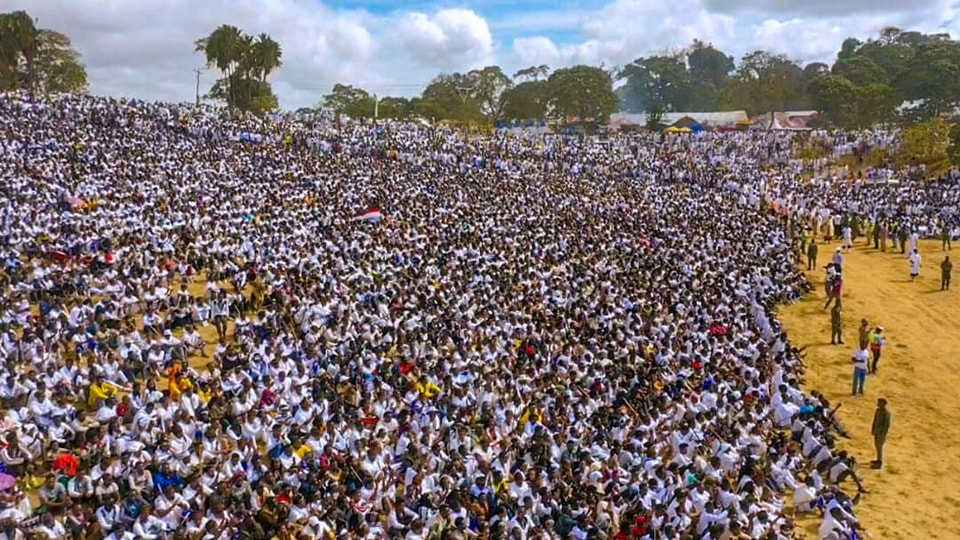
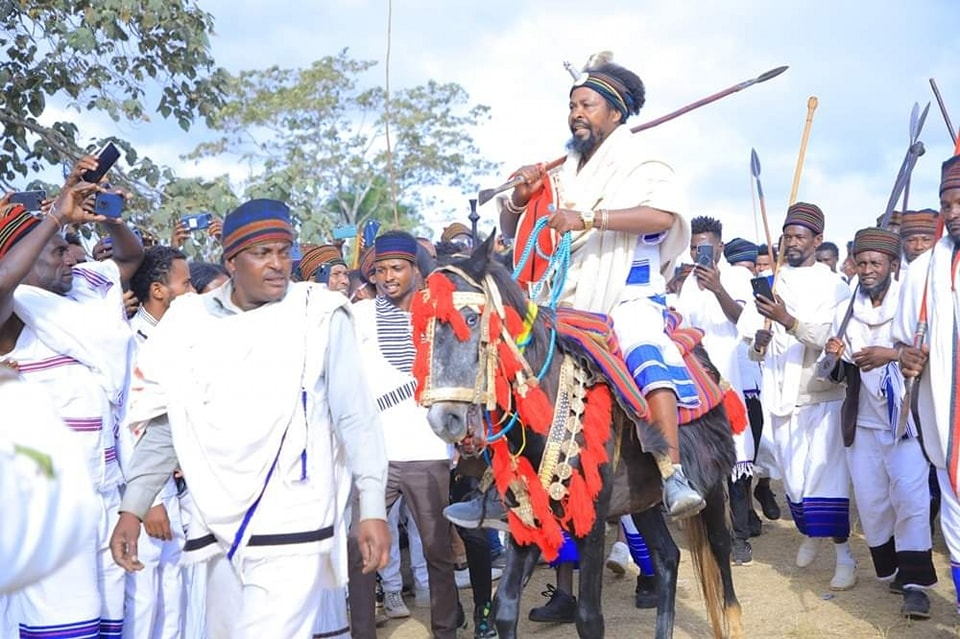
Oromo Story
The Oromo Story: A Living Tradition of History, Myth, and Memory
An “Oromo story” embodies the vast and vibrant tapestry of oral traditions, historical narratives, and collective experiences of the Oromo people, the largest ethnic group in Eastern Africa. Primarily inhabiting Ethiopia and northern Kenya, the Oromo have preserved their identity through a powerful oral culture, passing down through generations a rich heritage of myths, legends, folktales, and biographies of pivotal figures.
Historical and Cultural Narratives
These stories are deeply rooted in the Oromo experience as pastoralists and agriculturalists, chronicling their history of resilience against marginalization and their enduring efforts to safeguard a unique cultural identity. The narratives weave together epic events like the Great Oromo Migrations, the evolution of the sophisticated Gadaa system of democratic governance, the spiritual beliefs of Waaqeffanna, and the profound rites of passage that mark a lifetime—from birth and marriage to funeral ceremonies.
Exemplar: The Tale of Hawecha the Dreamer
A quintessential story from this tradition is that of Hawecha, a revered prophetess who lived two centuries ago. In an era dominated by male leadership, Hawecha emerged as a central spiritual figure, renowned for her prophetic dreams. Her visions, which foretold wars, famines, and epidemics, remain a celebrated part of Oromo folklore, underscoring the vital role of women’s wisdom and mystical insight. The enduring legacy of Hawecha’s story serves to inspire and guide the community, reflecting core Oromo values of prophecy, collective well-being, and resilience.
Stories of Struggle and Survival
The Oromo narrative tradition also gives voice to profound historical trauma, including the harrowing accounts of Oromo children enslaved in the late 19th century. Preserved in autobiographical records, these stories transform past suffering into a testament of survival, offering critical insight into the unyielding endurance of Oromo identity despite forced displacement and immense hardship.
Enduring Themes in Oromo Stories
Across this diverse body of work, several powerful themes resonate:
· The central importance of community and familial bonds.
· A deep reverence for ancestors, the natural world, and spiritual beliefs.
· Foundational lessons in justice, resilience, and ethical leadership.
· The crucial preservation of language and collective memory through oral tradition.
More than mere tales, Oromo stories are the vital vessels of identity, cultural values, and shared aspirations. They are the living thread that sustains cultural continuity, ensuring the survival of the Oromo spirit through centuries of challenge and change.
 Oromedia