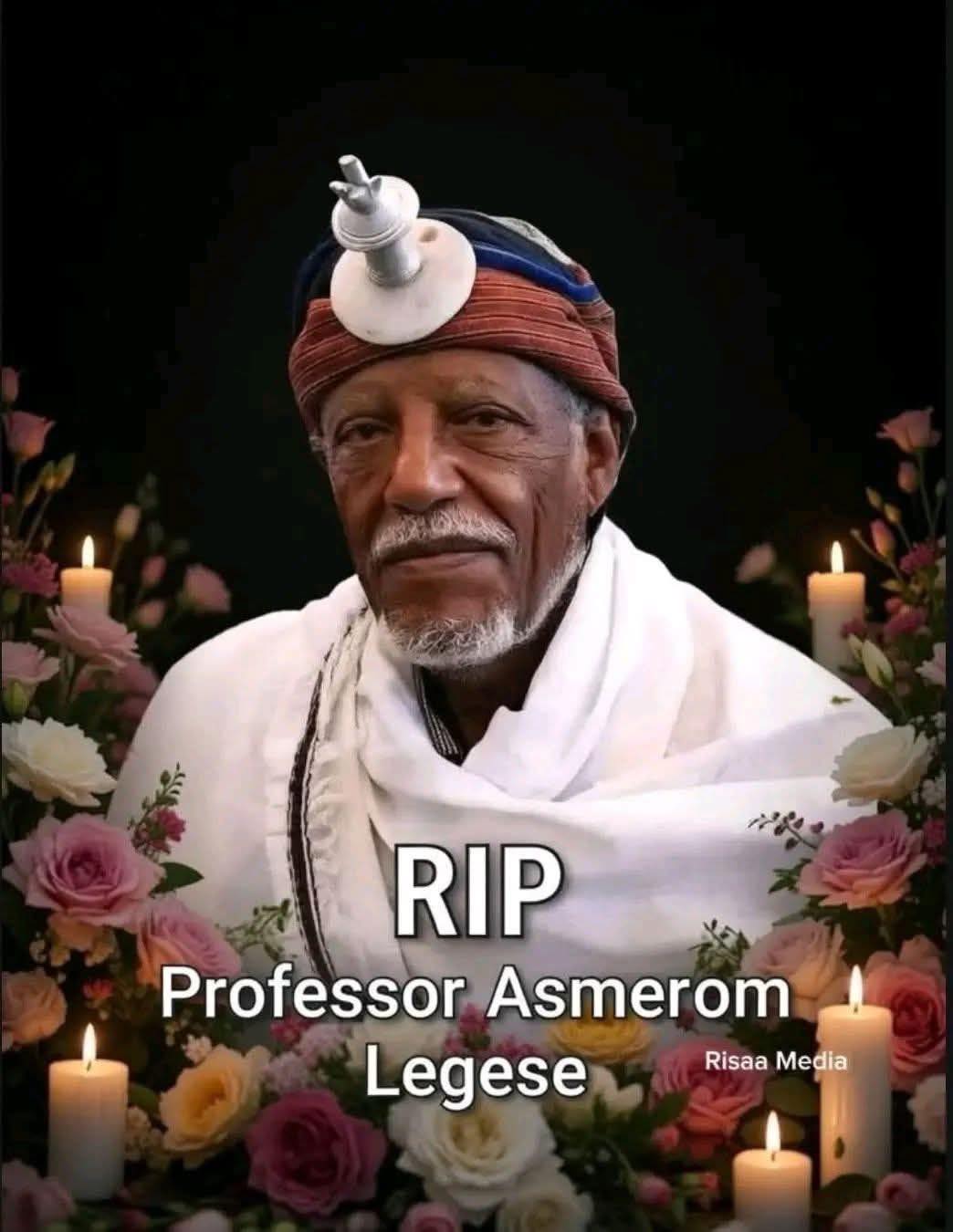
Borana University Mourns a Beacon of Indigenous Knowledge: Professor Asmarom Legesse
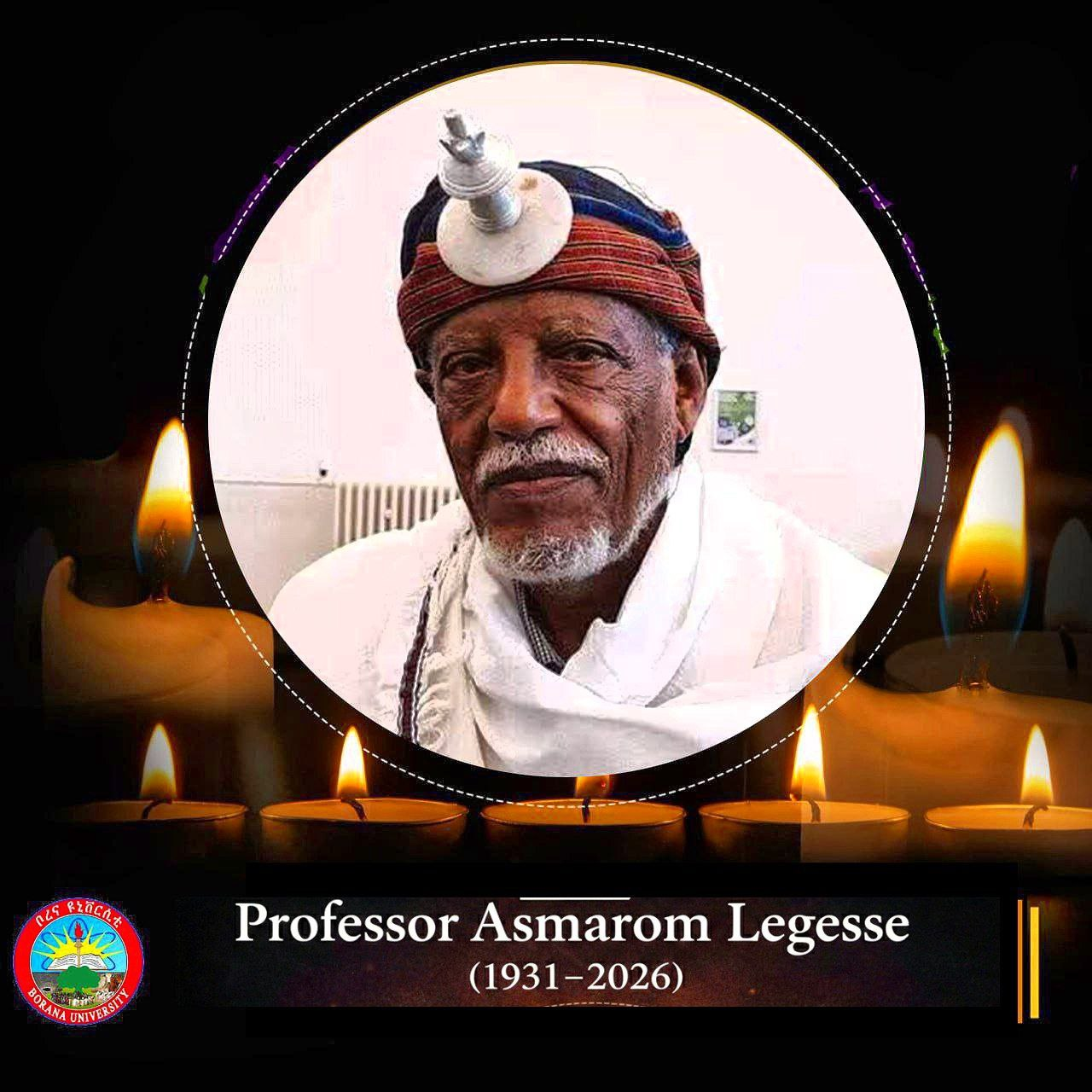
Borana University Mourns a Beacon of Indigenous Knowledge: Professor Asmarom Legesse
(Yabelo, Oromia – February 5, 2026) Borana University, an institution deeply embedded in the cultural landscape it studies, today announced its profound sorrow at the passing of Professor Asmarom Legesse, the preeminent anthropologist whose lifelong scholarship fundamentally defined and defended the indigenous democratic traditions of the Oromo people. The University’s tribute honors the scholar not only as an academic giant but as a “goota” (hero) for the Oromo people and for Africa.
In an official statement, the University highlighted Professor Legesse’s “lifelong dedication to understanding the complexities of Ethiopian society—especially the Gadaa system,” crediting him with leaving “an indelible mark on both the academic and cultural landscapes.” This acknowledgment carries special weight from an institution situated in the heart of the Borana community, whose traditions formed the bedrock of the professor’s most celebrated work.
The tribute detailed the pillars of his academic journey: a Harvard education, esteemed faculty positions at Boston University, Northwestern University, and Swarthmore College, and the groundbreaking field research that led to his seminal texts. His 1973 work, “Gada: Three Approaches to the Study of African Society,” was cited as revolutionary for revealing “the innovative solutions indigenous societies developed to tackle the challenges of governance.”
It was his 2000 magnum opus, however, that solidified his legacy as the definitive voice on the subject. In “Oromo Democracy: An Indigenous African Political System,” Professor Legesse meticulously documented a system characterized by eight-year term limits for all leaders, a sophisticated separation of powers, and the Gumi assembly for public review—a structure that presented a centuries-old model of participatory democracy. “His insights challenged prevalent misconceptions about African governance,” the University noted, “showcasing the rich traditions and political innovations of the Oromo community.”
For his unparalleled contributions, he was awarded an honorary Doctor of Letters from Addis Ababa University in 2018.
Perhaps the most powerful element of the University’s statement was its framing of his legacy beyond academia. By “intertwining the mechanics of the Gadaa system with the broader narrative of Oromo history and cosmology,” Professor Legesse was credited with fostering “a profound understanding of Oromo cultural identity.” It is for this work of preservation, interpretation, and transmission that he is declared “a hero—a goota—to the Oromo people and to Africa as a whole.”
Looking forward, Borana University management has called upon its students and faculty to honor his memory through “ongoing research and discourse on indigenous governance systems,” ensuring his foundational work continues to inspire new generations of scholars.
The entire university community extended its deepest condolences to Professor Legesse’s family, friends, and loved ones, mourning the loss of a true champion of Oromo culture and a guiding light in the study of African democracy.
About Borana University:
Located in Yabelo, Borana Zone, Oromia, Borana University is a public university committed to academic excellence, research, and community service, with a focus on promoting and preserving the rich cultural and environmental heritage of the region and beyond.
Galma Araaraa: A Spiritual Journey of the Oromo People
A ceremony of reconciliation, peace, and renewal marks a profound cultural resurgence for the people of East Shewa.
DIRREE BADHAAS, OROMIA – In a powerful display of cultural and spiritual revival, the Waaqeffannaa community recently conducted the sacred Galma Araaraa (House of Reconciliation/Restoration) ritual within the revered Dirree Badhaas ritual ground. This profound ceremony, described by participants as a monumental sign of reclaiming their ancestral identity, wove together deep spiritual homage, ecological connection, and intergenerational transmission.
The Galma Araaraa was enacted as a multifaceted ritual of restoration. It began with devoted prayers to Waaqa (the Supreme Being) at the site, followed by rituals performed within the surrounding natural landscape (duudhaa gaa’elaa), emphasizing the inseparable bond between the community, their spirituality, and their environment.
A central and hopeful aspect of the gathering was the active involvement and education of the younger generation (dhaloota haaraa), ensuring the continuity of this sacred knowledge and practice. The rituals culminated in community-wide celebrations featuring traditional songs of blessing (qabbanaa) and joyous dances (marabbaa), transforming the site into a vibrant hub of collective expression.
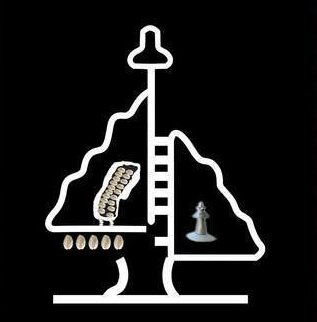
Elders and spiritual leaders present articulated that the Galma Araaraa served a higher purpose than a single event. It was, they stated, a deliberate act of constructing five essential spiritual houses: a House of Peace (galma nagaa), a House of Joy (galma gammachuu), a House of Resolution (galma furmaataa), a House of Motivation (galma dammaqiinsaa), and a House of Unity (galma waloomaa).
“The successful completion of this Galma Araaraa on our ancestral land of Dirree Badhaas is our greatest sign (mul’ata keenya guddaa),” declared one senior Qallu. “It signifies the return of our people to the dignity and fullness of our original identity (eenyummaa duriitti deebisu). This is a journey of spiritual homecoming.”
The event has been hailed by cultural observers as a significant step in the preservation and revitalization of indigenous Oromo spiritual heritage, demonstrating its enduring role in fostering social harmony, environmental stewardship, and cultural pride.
Revival of Sirna Goobaa: A New Dawn for Oromo Governance

Feature News: Dawn Reclamation – Oromo Gadaa Assembly Ushers in New Era at Historic Tarree Leedii Site
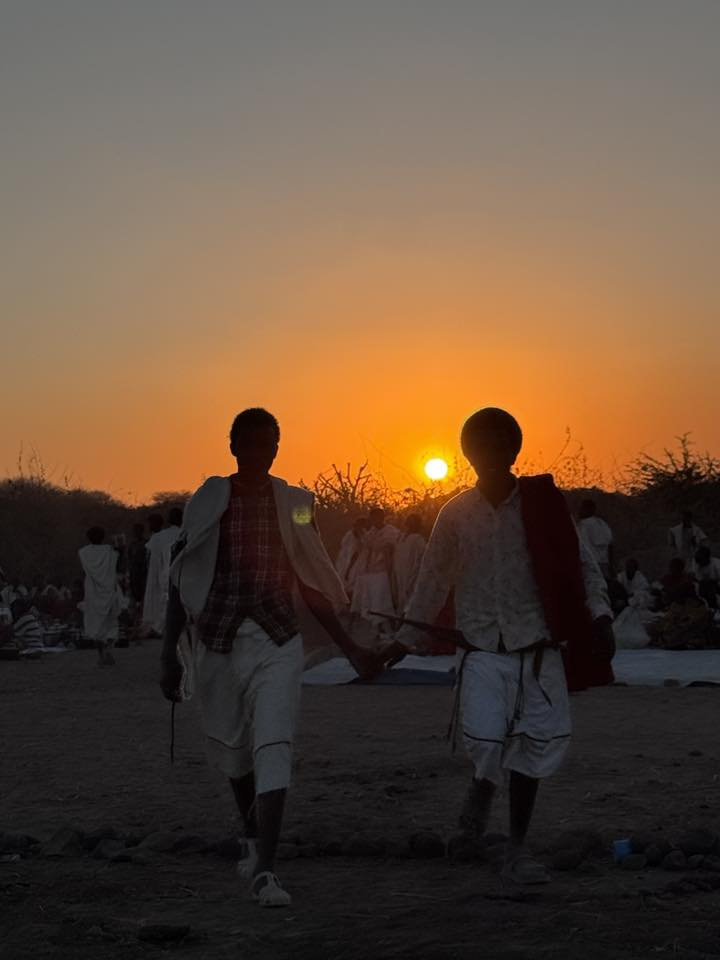
FANTAALLEE, SHAWA BAHAA, OROMIA – In a powerful act of cultural restoration and communal resolve, the Oromo Gadaa system of the Karrayyuu region has formally reinstated its traditional assembly, the Sirna Goobaa, at the sacred grounds of Ardaa Jilaa, Tarree Leedii. This landmark gathering, conducted at dawn on Saturday according to sacred custom, marks not just a meeting, but the revival of an ancient democratic and spiritual heartbeat in Eastern Shawa.
The ceremony, led by Abbaa Gadaas, elders, and community representatives, began in the pre-dawn hours, adhering strictly to the profound rituals and aesthetics of Oromo tradition. Participants gathered under the ancient trees of Ardaa Jilaa, a site long held as a seat of ancestral wisdom and collective decision-making, to reignite the principles of the Sirna Goobaa—the assembly of law, justice, and social order.

“This is not a symbolic gesture; it is a homecoming,” declared one senior elder, his voice echoing in the crisp morning air. “We are reclaiming our space, our process, and our responsibility to govern ourselves according to the laws of our forefathers and the balance of nature. The Goobaa is where our society heals, deliberates, and progresses.”
The choice of location and time is deeply significant. Tarree Leedii is historically a cornerstone of socio-political life for the Karrayyuu. By convening at dawn (ganamaa), the assembly honors the Oromo cosmological view that links the freshness of the morning with clarity, purity, and the blessing of Waaqaa (the Supreme Creator). The meticulous observance of rituals involving sacred items, chants (weeduu), and the pouring of libations underscores a commitment to authenticity and spiritual sanction.
Community members, young and old, observed in reverent silence as the protocols unfolded. For many youth, it was a first-time witnessing of the full, unbroken ceremony. “To see our governance system in action, here on this land, is transformative,” said a young university student in attendance. “It connects the history we read about directly to our future. It shows our systems are alive.”
The reinstatement of the Sirna Goobaa at Ardaa Jilaa sends a resonant message beyond the borders of Fantuallee District. It represents a grassroots-driven renaissance of indigenous Oromo governance, asserting its relevance and authority in contemporary community life. It serves as a forum to address local disputes, environmental concerns, and social cohesion through the framework of Gadaa principles—Mooraa (council), Raqaa (law), and Seera (covenant).
Analysts view this move as part of a broader movement across Oromia where communities are actively revitalizing Gadaa and Waaqeffannaa institutions as pillars of cultural identity and self-determination. The successful convening at Tarree Leedii demonstrates local agency and the enduring power of these systems to mobilize and inspire.
As the sun rose over the assembly, illuminating the faces of the gathered, the event concluded with a collective affirmation for peace, justice, and unity. The revival of the Sirna Goobaa at this historic site is a dawn in every sense—a new beginning for community-led governance, a reconnection with ancestral wisdom, and a bold statement that the Gadaa of the Karrayyuu is once again in session, ready to guide its people forward.
Karrayyu Community’s Sacred Ritual for Power Transition

Karrayyu Gadaa Council Prepares Historic “Buttaa Qaluun” Rite for Leadership Transition
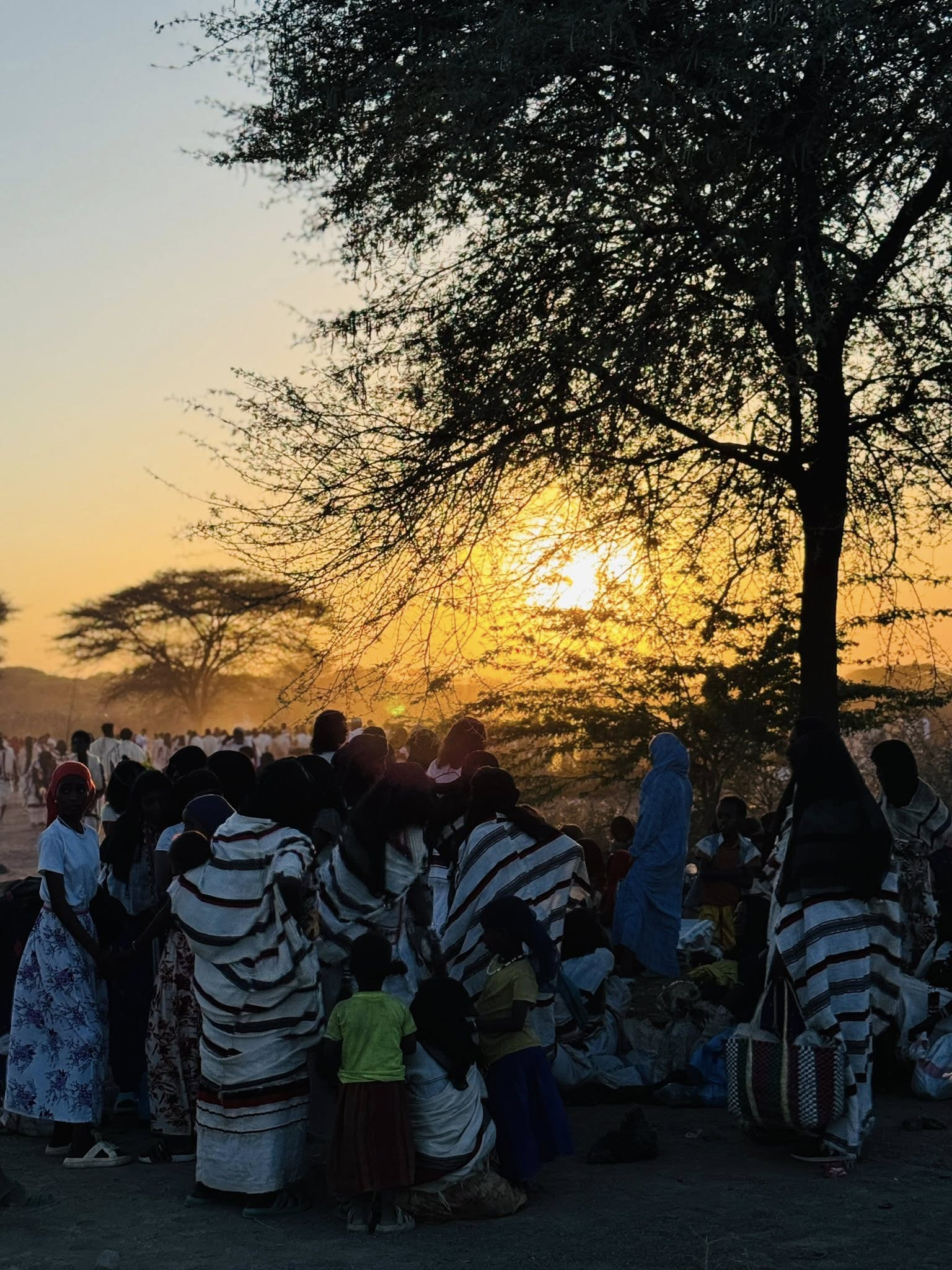
TARREE KEEDII, OROMIA — In accordance with the sacred eight-year cycles of the Oromo Gadaa system, the Karrayyu community is undertaking profound preparations for the Buttaa Qaluu ceremony—a pivotal ritual that facilitates the peaceful and systematic transfer of power from one Gadaa grade to the next.
Central to this process is the revered Baallii Gadoomaa (the scepter of Gadaa). Per Oromo law, the scepter is transferred every eight years. For the Karrayyu, the incumbent Gadaa council, having held the scepter and led the people for its designated eight-year term, is now charged with preparing the successor grade to assume power.
“The current Gadaa grade, having taken the Baallii Gadoomaa and governed for eight years, must now create the space—the Goobaa or Irreessa—for the next Gadaa set to rise,” explained a senior cultural analyst familiar with the rites. “This act of ‘giving space’ is a core constitutional principle of Gadaa, ensuring balanced, rotational, and non-hereditary leadership.”
The elaborate Buttaa Qaluu ceremony, now being organized at the sacred site of Tarree Keedii, is the formal mechanism for this transition. The term Goobaa itself encompasses the acts of vacating, clearing the path, mentoring, and imparting wisdom to the incoming leaders.
“The Karrayyu use Gadaa’s peaceful and consensual transfer of power as a model for national governance,” the analyst added. “The Goobaa demonstrates how leadership can be relinquished gracefully to ensure continuity and stability.”
Current Council Prepares the Ground
All eyes are now on the Gadaa Michillee council, the current custodians of power. Their critical preparatory duty is to receive the final blessings (Eebbaa) from the Abbaa Bokkuu (the presiding father) at their designated ritual ground (Ardaa).
Following this, they will proceed to the assembly site at Tarree Leedii to take their positions and oversee the meticulous execution of the Goobaa rituals. Their role is to ensure every sacred protocol is followed to legitimize and empower the incoming grade.
This meticulous process underscores the Gadaa system’s enduring sophistication as a indigenous system of democracy, conflict resolution, and constitutional governance. The Buttaa Qaluun ceremony is not merely a cultural event but a living enactment of a social contract that has guided the Oromo people for centuries.
The upcoming rites are expected to draw elders, scholars, and community members from across the region to witness this foundational practice of Oromo democracy in action.
# # #
About the Gadaa System:
Gadaa is the traditional, holistic social system of the Oromo people that governs political, economic, social, and religious life. It is based on an eight-year cyclical timeline, with power rotating democratically among five generational grades. In 2016, UNESCO inscribed the Gadaa system on the Representative List of the Intangible Cultural Heritage of Humanity.
Bokkuu and Qaalluu: The Sacred Pillars of Oromo Democracy
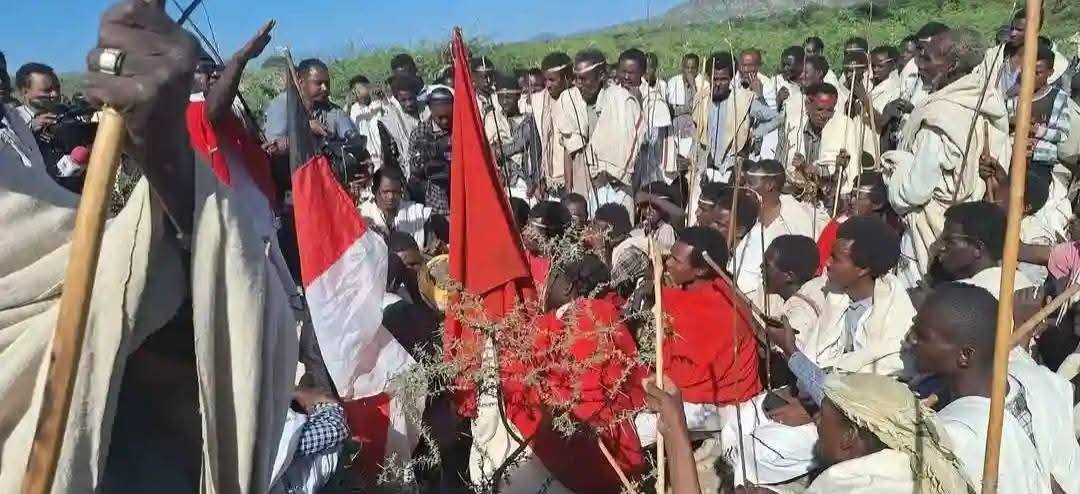
OROMIA — At the heart of the Oromo Gadaa system, an indigenous democratic governance structure recognized by UNESCO as an Intangible Cultural Heritage of Humanity, lies a refined balance of power and spirituality, embodied in two sacred pillars: the Bokkuu and the Qaalluu.
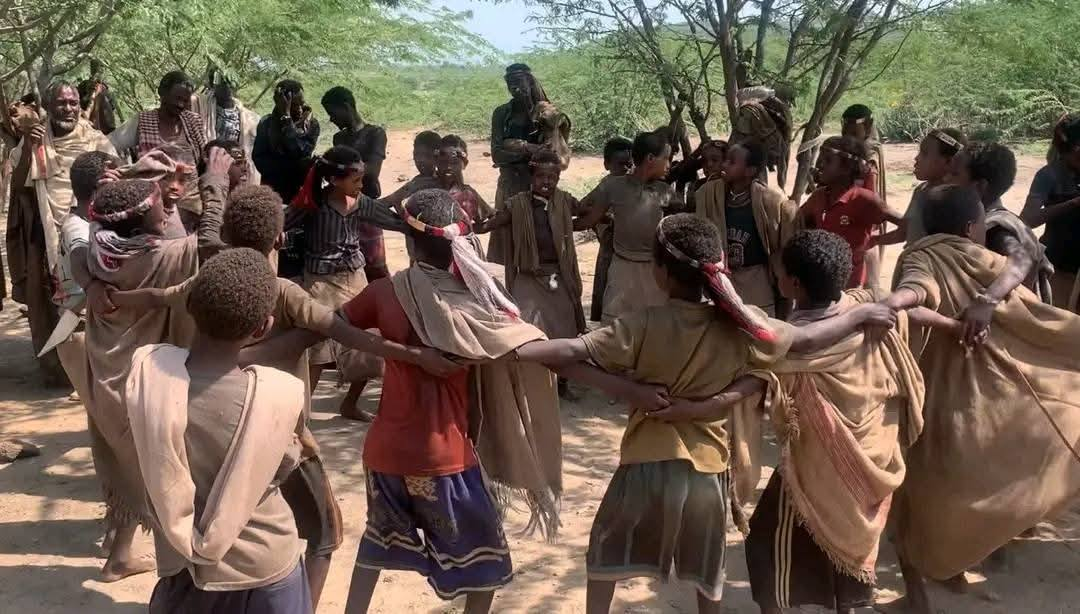
This dual authority forms the cornerstone of a system that has guided Oromo social, political, and spiritual life for centuries. Among the Karrayyuu Oromo, custodians of deeply traditional Gadaa practices, the Holder of the Bokkuu (Abbaa Bokkuu) leads the active Raaba Gadaa council, symbolizing lawful political authority, unity, and temporal governance.
The authority of the Bokkuu is absolute in ceremonial life. No Gadaa ritual—from a temporary ceremonial visit (jila) to a full-scale relocation of the assembly—can commence without its sacred blessing. The scepter is not merely a symbol; it is the source of legitimacy for all communal undertakings.
While the Abbaa Bokkuu governs the political, economic, and social spheres, spiritual authority rests with the Qaalluu. This sacred office is responsible for blessings, prayers for rain and fertility, and invoking peace (nagaa) for the land and people. This clear separation and interdependence of spiritual (Qaalluu) and temporal (Bokkuu) powers ensure a holistic system of checks and balances, preventing the concentration of power and aligning leadership with moral and divine will.
The system also has a built-in mechanism for continuity. In the absence of the Abbaa Bokkuu, leadership is seamlessly entrusted to the Abbaa Sabbataa, who acts as deputy to ensure governance never falters.
Furthermore, Oromo tradition dictates that for any Gadaa ceremony to be valid and declared complete, three indispensable elements must be present: men, women, and cattle. This triad represents the foundational pillars of Oromo society—humanity in its complementary duality, and the cattle that symbolize sustenance, wealth, and the covenant between the people and their environment.
This intricate structure highlights the Gadaa system’s sophistication, where democracy is not a secular political exercise but a sacred covenant involving the entire community, the natural world, and the divine. As modern governance seeks sustainable and inclusive models, the ancient balance of the Bokkuu and Qaalluu offers a timeless lesson in integrated leadership.
The Sacred Fire Burns Anew: Karrayyu Ushers in a New Gadaa Generation

By Maatii Sabaa
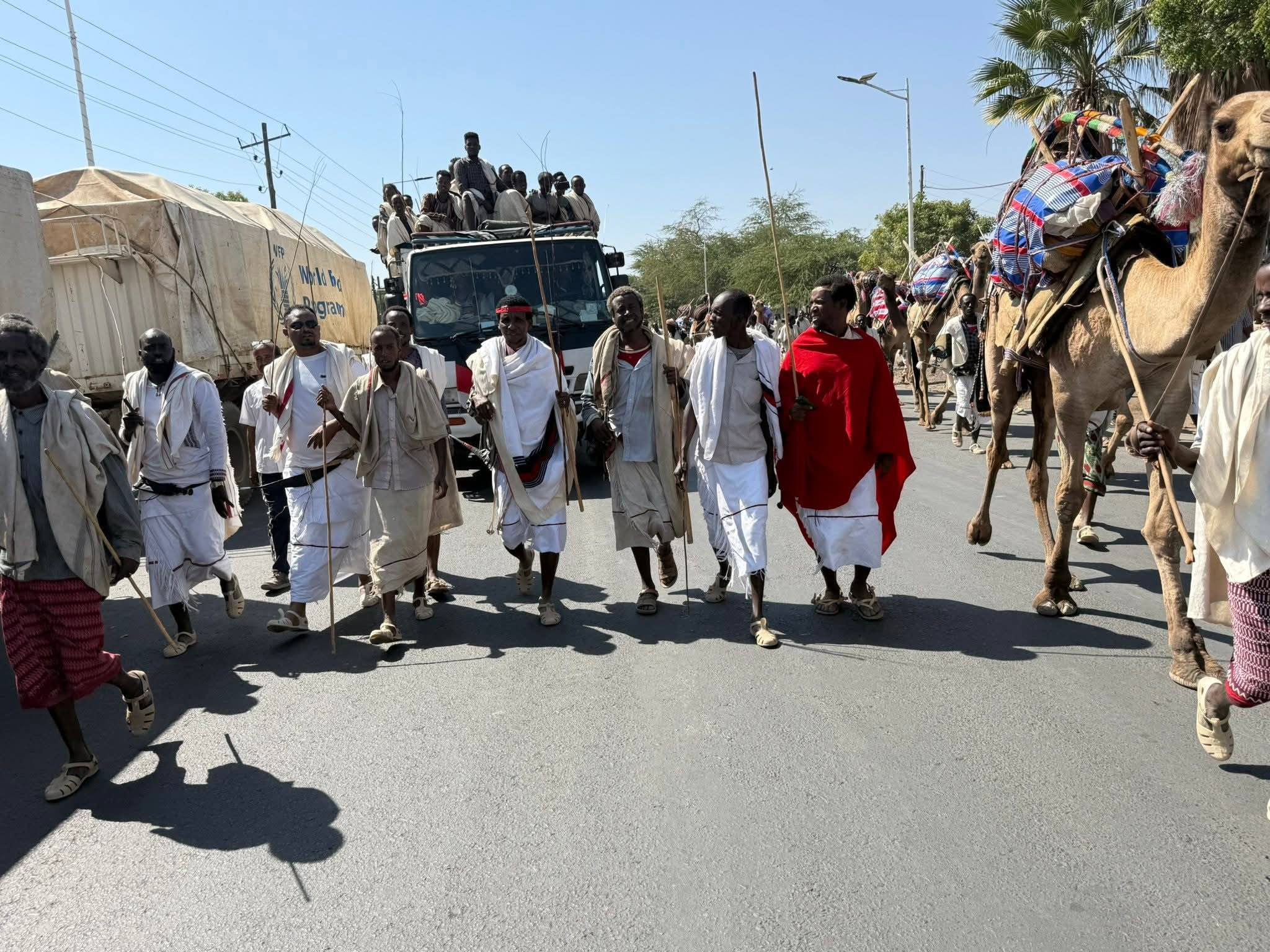
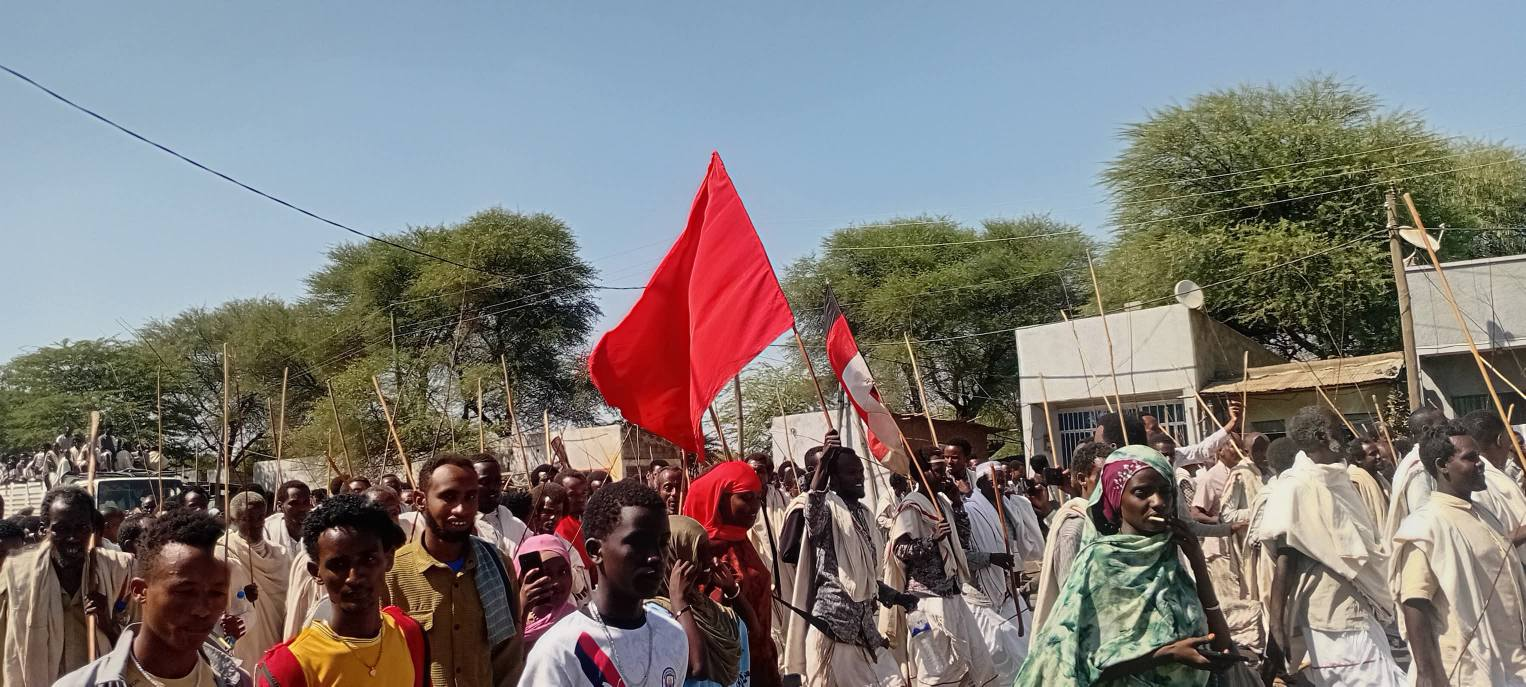
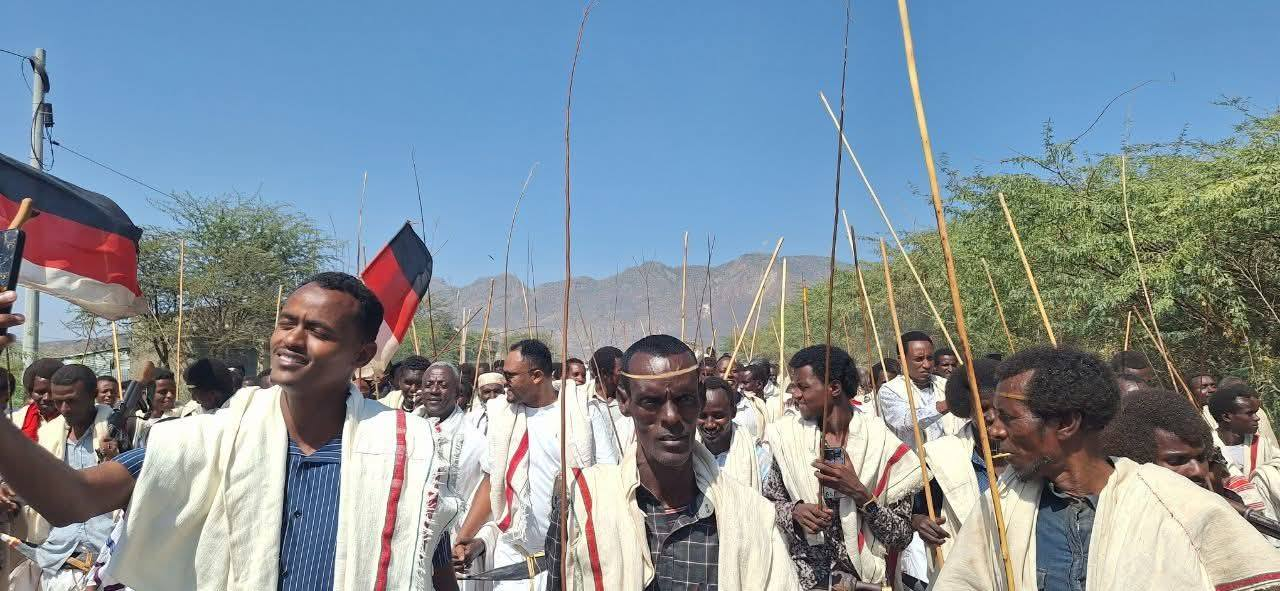
Oromia, Ethiopia – A profound spiritual and cultural renewal is unfolding in the heart of Oromia. The Karrayyu Oromo, renowned custodians of a deeply traditional way of life, have ignited the sacred Jila fire, signaling the commencement of a momentous transition. The declaration echoes across the community: “Karrayyuun Jilaaf bobba’a jira..!!” – “The Karrayyu have lit the Jila!” This flame is not just physical; it is a beacon of identity, continuity, and the living pulse of the Gadaa system.
The Karrayyu have officially entered a sacred preparatory phase, initiating the complex, multi-year rituals to install a new Gadaa assembly, known as the Michillee. In a ceremony of great solemnity, the Abba Gadas—the ritual leaders—have formally designated the Tarree Leedii as the upcoming Gadaa class to assume leadership. This act, performed alongside five existing Gadaa sets, is a masterstroke of long-term democratic planning, scheduling leadership transitions for generations yet unborn.
“The Gadaa is our constitution, our school, and our soul,” explained one elder, his eyes reflecting the ceremonial fire. “By naming the Tarree Leedii today, we are not just planning for eight years; we are securing the wisdom and order of our society for 80 years ahead.”
A Ten-Day Tapestry of Tradition
The official inauguration of this transfer process began ten days ago, launching a meticulously orchestrated series of preparations. The community has been immersed in rituals, spiritual cleansings, and assemblies designed to purify the participants and sanctify the proceedings. These days are a vibrant tapestry of oratory, prayer, and the passing of sacred knowledge from one generation to the next.
The culmination is set for the 26th and 27th of Muddee (approximately early December). On these sacred days, the Karrayyu will perform the grand ceremony of Buttaa Qalaa, the 75th ritual stage within the Gadaa cycle specifically dedicated to the Tarree Leedii. This is the pivotal moment where symbolic authority and immense responsibility begin their formal passage.
An Open Invitation to a Sacred Trust
In a powerful move that underscores the inclusivity at the heart of Oromo identity, the Abba Gadaa of the Karrayyu has extended an open invitation. “The Cidha Buttaa Qalaa of the Karrayyu Gadaa will be open to all who come,” they announced. With profound respect, they have called upon the entire Oromo nation, from every region and walk of life, to witness and partake in this national heritage.
This invitation is more than a courtesy; it is a call to collective remembrance and unity. It is an opportunity for Oromos worldwide to connect with the ancient democratic and spiritual roots that bind them, to see the living Gadaa—a system UNESCO recognizes as an Intangible Cultural Heritage of Humanity—in its most authentic and dynamic form.
As the Jila fire burns brightly in Karrayyu territory, its light reaches far beyond the ceremonial ground. It illuminates the resilience of a people fiercely protecting their worldview. It signals the unwavering commitment to govern through a system built on cyclic accountability, environmental stewardship, and social justice. The lighting of the fire is just the beginning. The world is now watching, invited to witness a civilization ensuring its own future by honoring the sacred cycles of its past.
 Oromedia