Oromo Diaspora’s Commitment: Honoring the Liberation Struggle

In Cairo, a Distant Diaspora Keeps the Flame Alive: Commemorating the Oromo Liberation Struggle
CAIRO – In a gathering marked by solemn reflection and resilient spirit, the Oromo community in Cairo recently commemorated Oromo Liberation Army (OLA) Day on January 1, 2026. The event was more than a calendar observance; it was a powerful act of collective memory, a reaffirmation of identity, and a declaration of unwavering commitment to a cause that spans decades and continents.
The atmosphere was charged with the weight of history. As noted by Mr. Nasralla Abdu, Chairman of the Association, the day serves a dual purpose: to honor the souls of fallen freedom fighters and to fortify the resolve of those who continue the struggle. This is not mere ritual; it is the lifeblood of a diaspora movement, a vital mechanism to ensure that distance does not dilute purpose nor time erode sacrifice.
The historical anchor of the commemoration, as recounted, is crucial. The reference to the OLA’s reconstitution in 1980, following the severe challenges of the late 1970s, transforms April 1st from a simple date into a symbol of regeneration and stubborn endurance. It marks a moment when the struggle, against formidable odds, chose to persist. Celebrating this anniversary yearly, as the chairman explained, is to ritually reaffirm that same choice to persist, generation after generation.
The testimonies from attendees cut to the heart of the matter. For them, this was an “anniversary of covenant”—a renewal of the sacred promise to the struggle—and a moment of remembrance for those who paid the “ultimate price.” This language transcends politics; it enters the realm of collective oath and sacred duty. Furthermore, their powerful statement linking the ongoing sacrifice of Oromo people inside the homeland—for their identity, culture, history, and land—to the diaspora’s obligation to “stand in solidarity and fight for our people’s rights” creates a potent bridge. It connects the internal resistance with external advocacy, framing a unified struggle on two fronts.
This event in Cairo is a microcosm of a global phenomenon. It demonstrates how diasporas function as custodians of history and amplifiers of voice when direct expression at home is constrained. The careful observance in Egypt underscores that the Oromo quest for recognition, justice, and self-determination is not confined by geography. It is nurtured in community halls abroad as much as it is in the hearts of people within Oromia.
Ultimately, the commemoration was a tapestry woven with threads of grief, pride, and ironclad resolution. It acknowledged a painful past of loss and “severe circumstances,” celebrated the resilience that emerged from it, and boldly projected that spirit into an uncertain future. As long as such gatherings occur—where names are remembered, covenants renewed, and solidarity declared—the narrative of the Oromo struggle remains alive, authored not just by fighters on the ground but by communities in exile holding vigil for the dawn they believe must come.
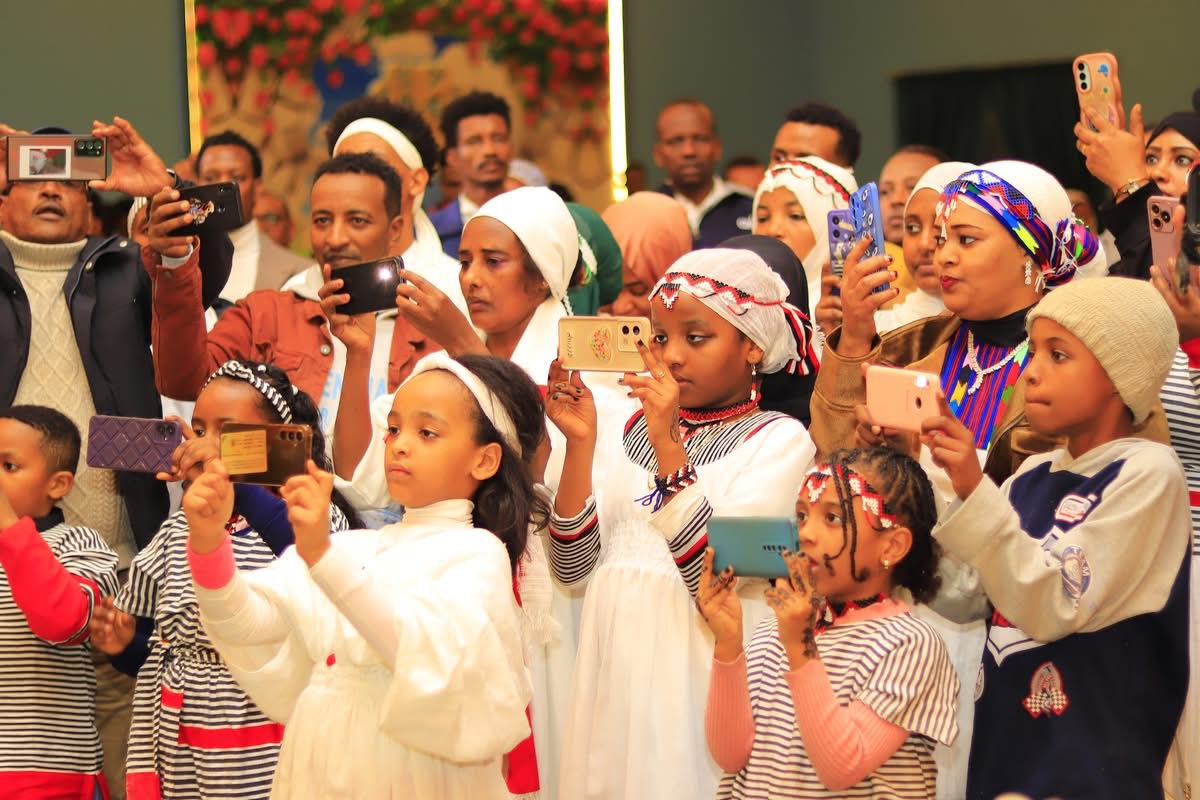
Irreechaa Festival: Celebrating Oromo Culture in Melbourne
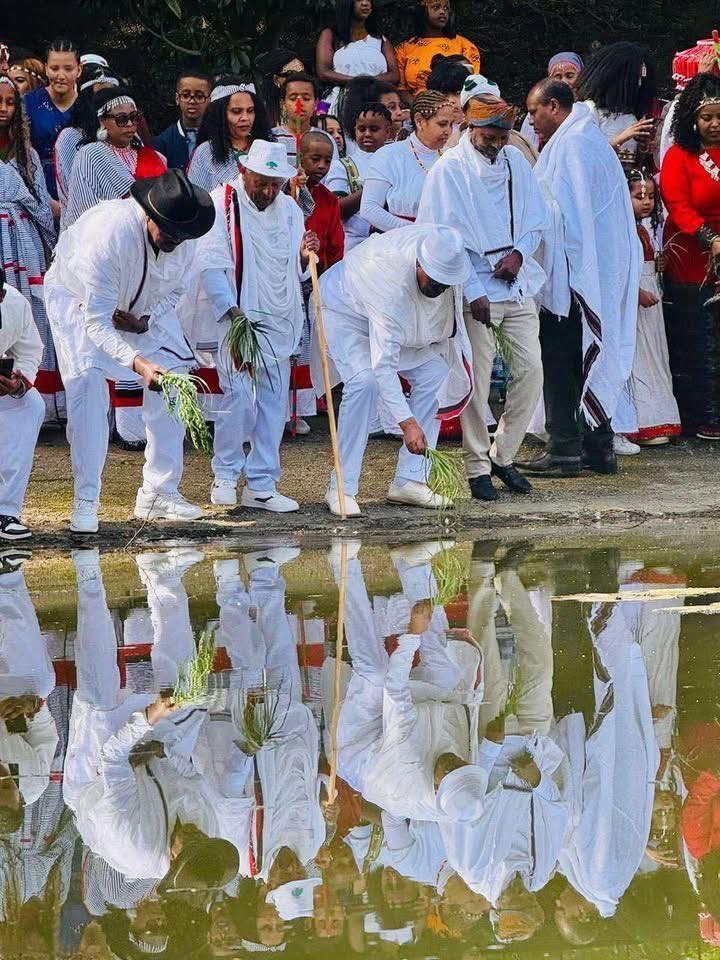
(Oromedia, 29 September 2025) Irreechaa celebrations in Melbourne have become a notable expression of Oromo culture, bringing the local Oromo diaspora together to honor traditional values and strengthen communal bonds.
The festival typically features blessings by elders, cultural performances, music, dancing, and communal meals, all designed to replicate the spiritual essence of Irreechaa as celebrated in Oromia.
Festival Highlights in Melbourne
– The celebration is usually held at riversides or parks—often at the iconic Wilson Botanical Garden—to maintain the symbolic tradition of giving thanks to Waaqa (God) by water.
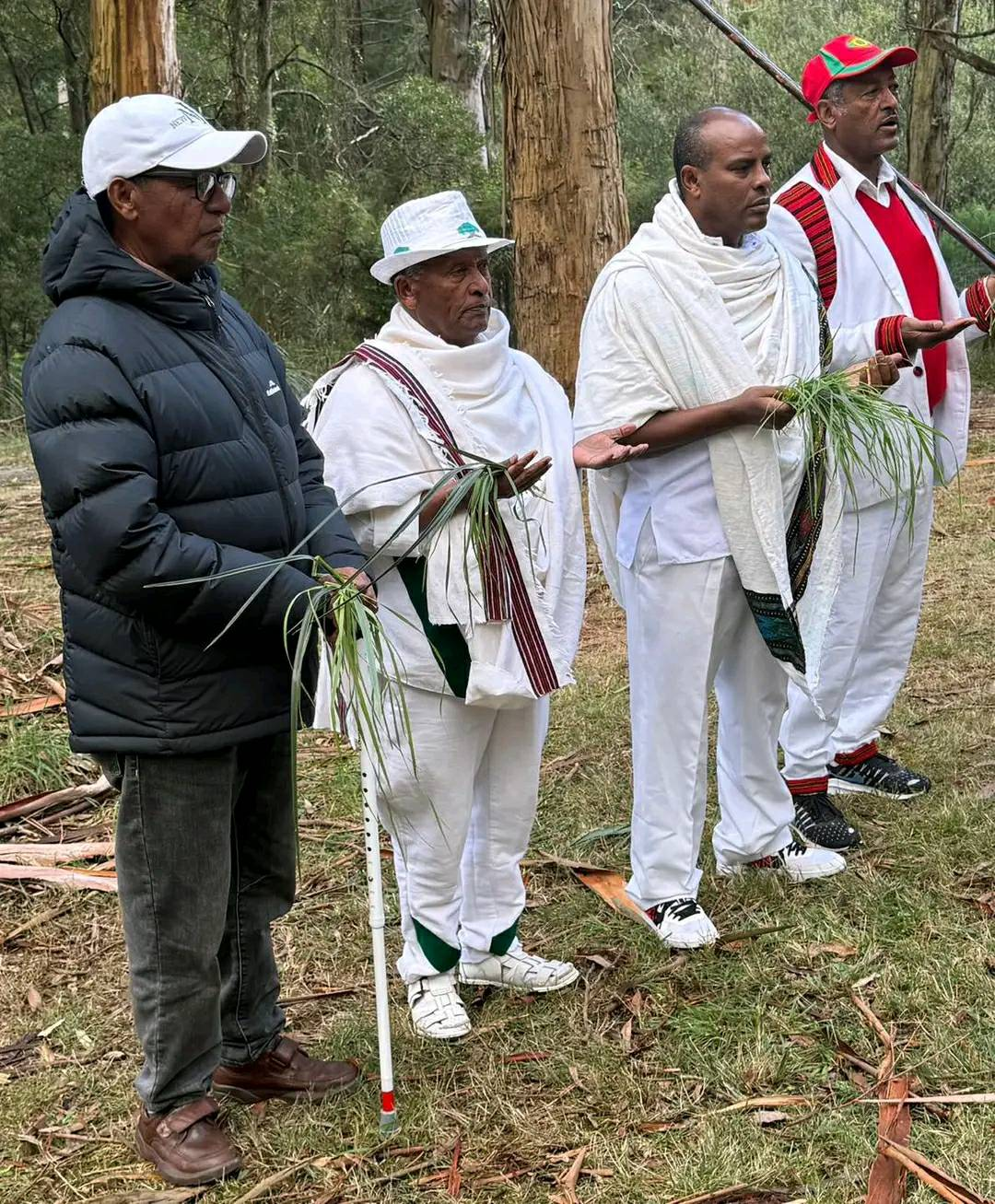
– Community leaders and elders lead the prayers and blessings, paying homage to nature and ancestral wisdom.
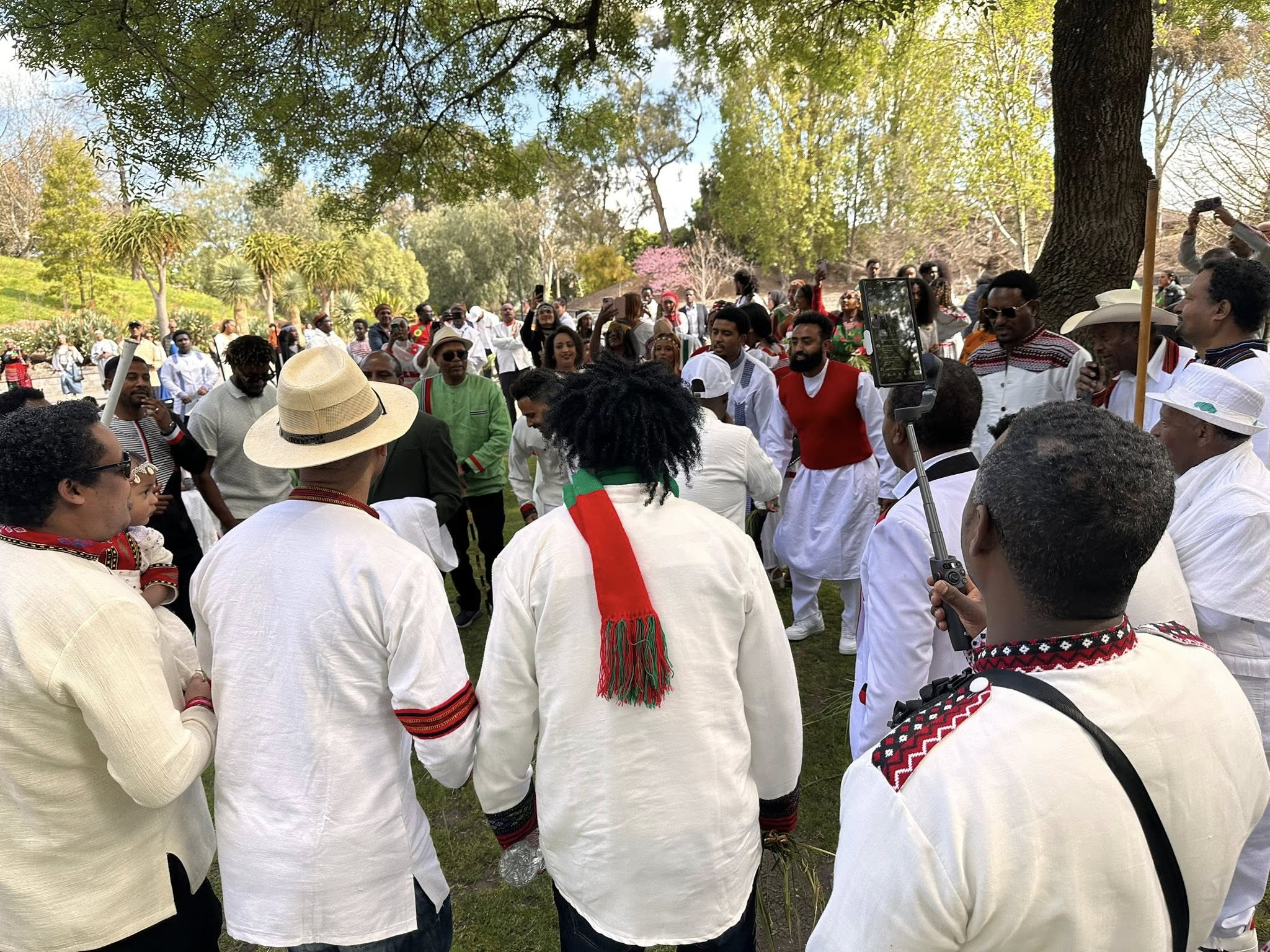
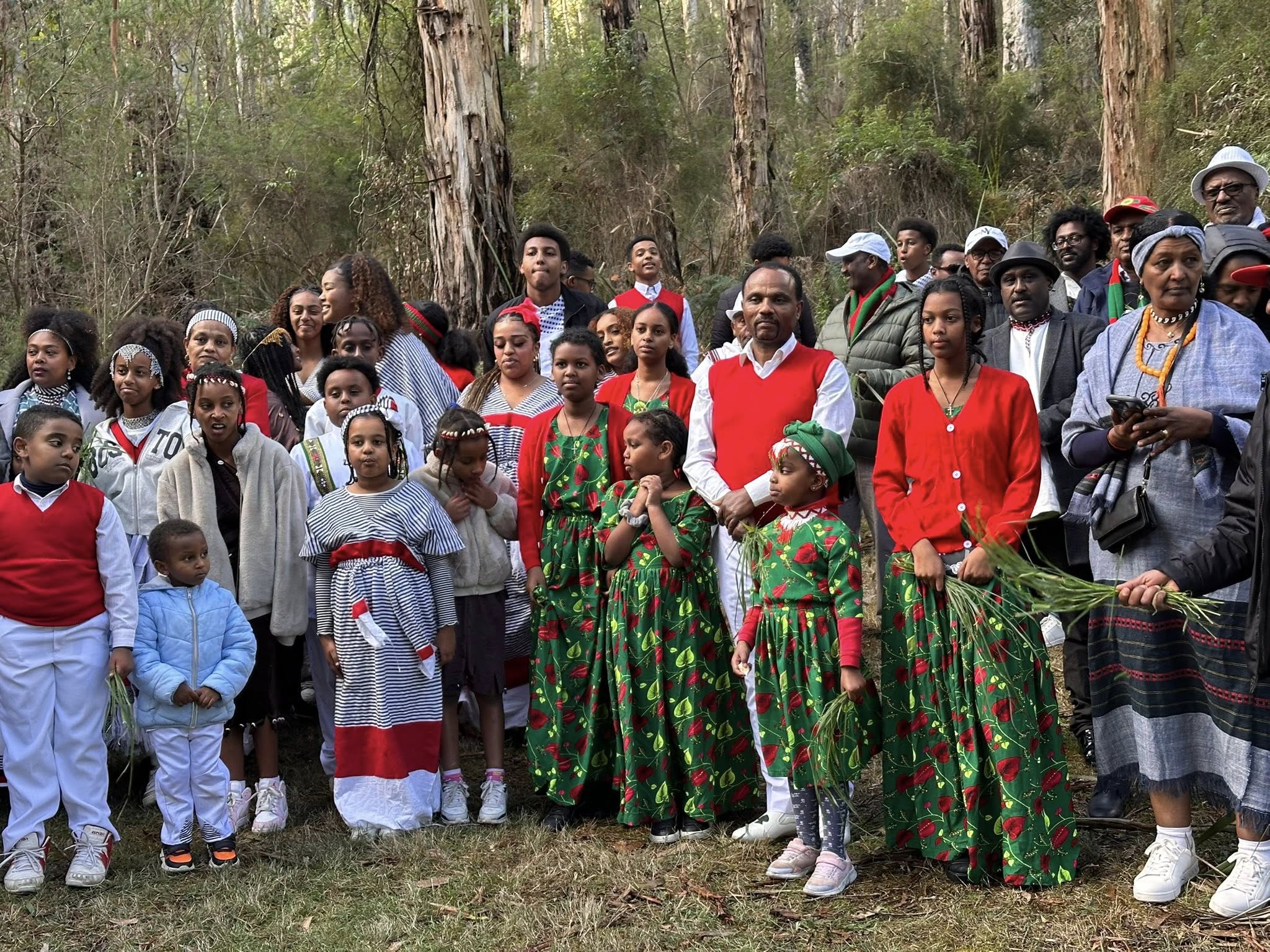
– Attendees wear traditional Oromo clothing, display cultural ornaments, and use symbolic colors such as black, red, and white.
– Music, and dances (including Siiqqee and Gumii) are performed to educate and entertain both the Oromo community and local Australians.
Purpose and Impact
– The event fosters Oromo cultural identity and unity among diaspora members.
– It serves as a platform for educating younger generations about heritage and traditions, helping them maintain a connection to their roots.
– Many celebrations invite local government officials, multicultural organizations, and curious residents, encouraging mutual respect and intercultural exchange.
Growth and Community Engagement
– Participation has steadily grown, with increased efforts by local Oromo associations to expand outreach and inclusivity.
– Social media and diaspora networks play a crucial role in organizing, publicizing, and preserving the festival’s traditions, even reaching Oromo youth who may be distant from their homeland.
Irreechaa in Melbourne embodies both cultural pride and adaptation, allowing the Oromo community to sustain meaningful traditions while building bridges with the wider Australian society.
Participants took memorable photos with family, friends and each other and shared them on social media.
All those who participated in this celebration filled with love and respect are saying that they remember it with joy.
Irreechaa is a festival of wisdom that Oromo have contributed to the world community, which promotes gratitude, peace, reconciliation, hope, life, social harmony, connection, mutual assistance, sharing, harmony and morality.
Celebrating Irreecha Arfaasaa: Oromo Spring Festival in Melbourne
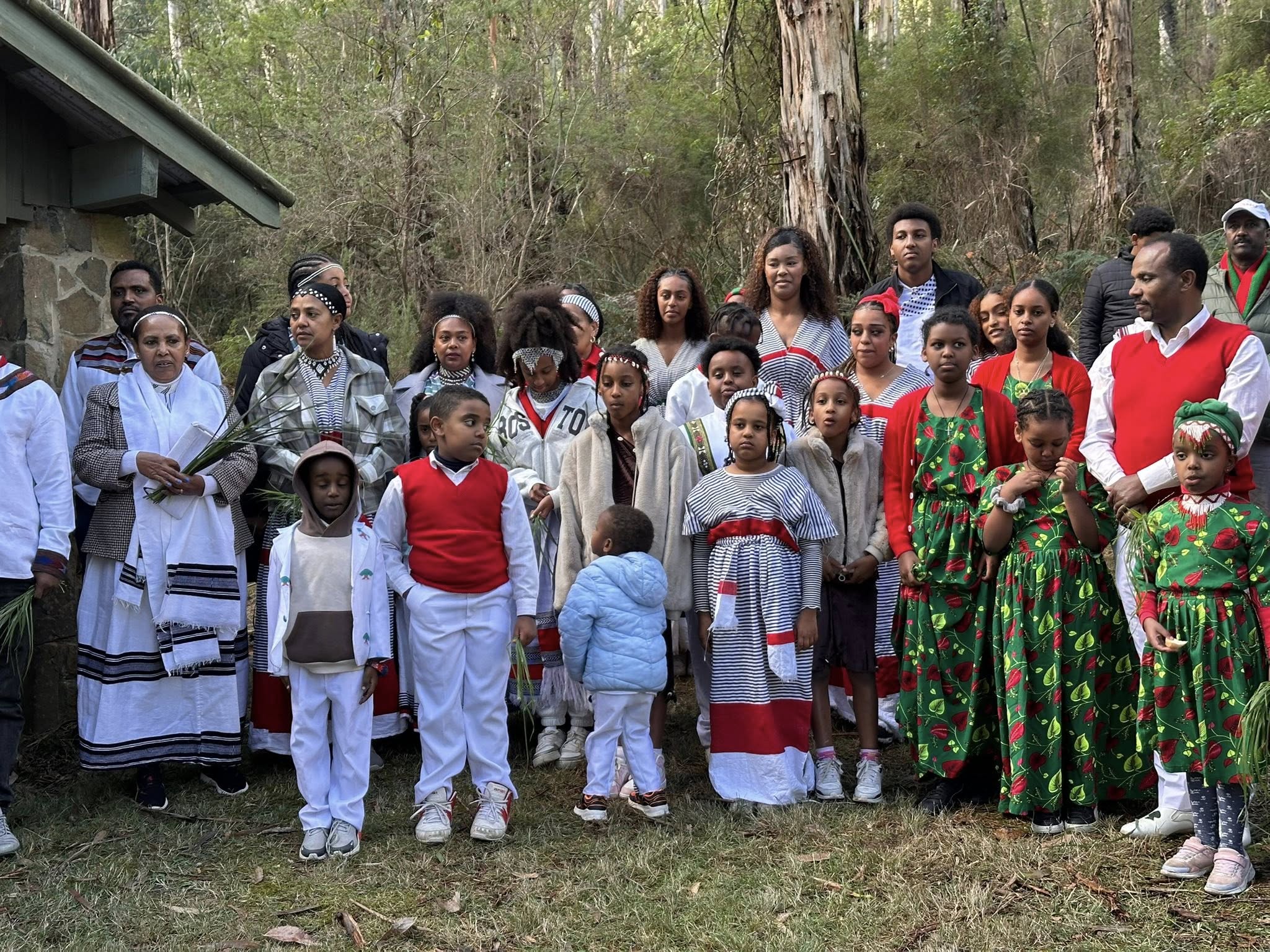
The Oromo community in Melbourne and surrounding areas celebrated Irreecha Arfaasaa, the Spring Festival, atop Dandenong Hill on May 18, 2025.
This vibrant gathering brought together elders, veterans, mothers, and youth adorned in traditional attire, marking a thanksgiving for surviving the harsh winter and welcoming the summer season.
The ceremony opened with elders’ blessings, invoking peace for all creation: “May the Creator bless this land, heal our scars from fire, and let new life flourish.” The festival also served as a prayer for a peaceful summer amid the rainy and darker months ahead.
Ob Danye Defersha, a local organizer, emphasized the deeper meaning of Irreecha: “This festival isn’t just about spring. It’s about remembering what we’ve overcome and the ties that hold us. The mountain is our sanctuary, and today, it’s alive with hope.”
Beyond cultural celebration, Irreecha Arfaasaa reflects the Oromo people’s deep connection to nature, promoting family unity, stress relief, and mental well-being.
The event highlighted resilience, gratitude, and the enduring spirit of the Oromo community in Australia.
The Historical Significance and Rituals of Irreecha
1. Historical and Cultural Roots
Irreecha (also spelled Irreessa) is one of the most sacred and ancient festivals of the Oromo people, the largest ethnic group in Ethiopia. It is a thanksgiving celebration deeply tied to the Waaqeffanna faith (the traditional Oromo religion, which venerates Waaqa—the Creator).
- Origins: The festival dates back centuries and is linked to the Gadaa system, the Oromo’s indigenous democratic governance structure.
- Two Main Celebrations:
- Irreecha Birraa (Autumn Festival) – Held in September/October to give thanks for the rainy season and pray for a good harvest.
- Irreecha Arfaasaa (Spring Festival) – Held in April/May to celebrate the end of winter and welcome summer.
- Symbolism: It represents renewal, unity, and harmony with nature, reinforcing the Oromo philosophy of “Nagaa” (peace) and “Safuu” (moral order).
2. Key Rituals and Ceremonies
The rituals of Irreecha are rich in symbolism and communal participation:
A. Blessings by Elders (Abbaa Malkaa & Abbaa Gadaa)
- The ceremony begins with elders (Haayyuu) offering prayers to Waaqa for peace, fertility, and prosperity.
- A sacred grass (Birraa) is held during prayers, symbolizing life and renewal.
- Libation (Dhibaayyuu): Water, milk, or honey is sprinkled as an offering to the Creator and ancestors.
B. Sacred Gathering Near Water (Hora Harsadii)
- Traditionally, Irreecha is celebrated near rivers or lakes, as water symbolizes purity and life.
- In the diaspora (like in Melbourne), a symbolic mountain or hill (e.g., Dandenong) is chosen to represent this sacred space.
C. Wearing Traditional Attire (Callee)
- Attendees dress in white (symbolizing peace) and traditional Oromo costumes, often made of cotton and decorated with beads (callee).
- Women wear Siiqqee (a sacred stick representing women’s rights in Gadaa).
D. Singing & Dancing (Geerarsa & Shaashammanee)
- Geerarsa (poetic chants) are performed, praising nature, bravery, and unity.
- Wallee aadaa (traditional dance) involves rhythmic shoulder movements, symbolizing joy and resilience.
E. Throwing Grass & Flowers
- People toss freshly cut grass and flowers into the air or water, signifying letting go of past sorrows and embracing new beginnings.
3. Modern Adaptations in the Diaspora
Since the Oromo diaspora cannot always gather at Hora Arsadi (the sacred lake in Oromia), they adapt by:
- Choosing high elevations (mountains, hills) to symbolize closeness to Waaqa.
- Incorporating multicultural elements while preserving core traditions.
- Using the festival to educate younger generations about Oromo heritage.
4. Why Irreecha Matters Today
- Cultural Survival: For the Oromo, who faced historical oppression, Irreecha is an act of resistance and identity preservation.
- Environmental Connection: It reinforces ecological stewardship, reminding people to protect nature.
- Healing & Unity: In exile, it serves as emotional healing for refugees and a way to strengthen community bonds.
 Oromedia