
“Daraaro”: The Gedeo Festival of Renewal and its Modern Resonance
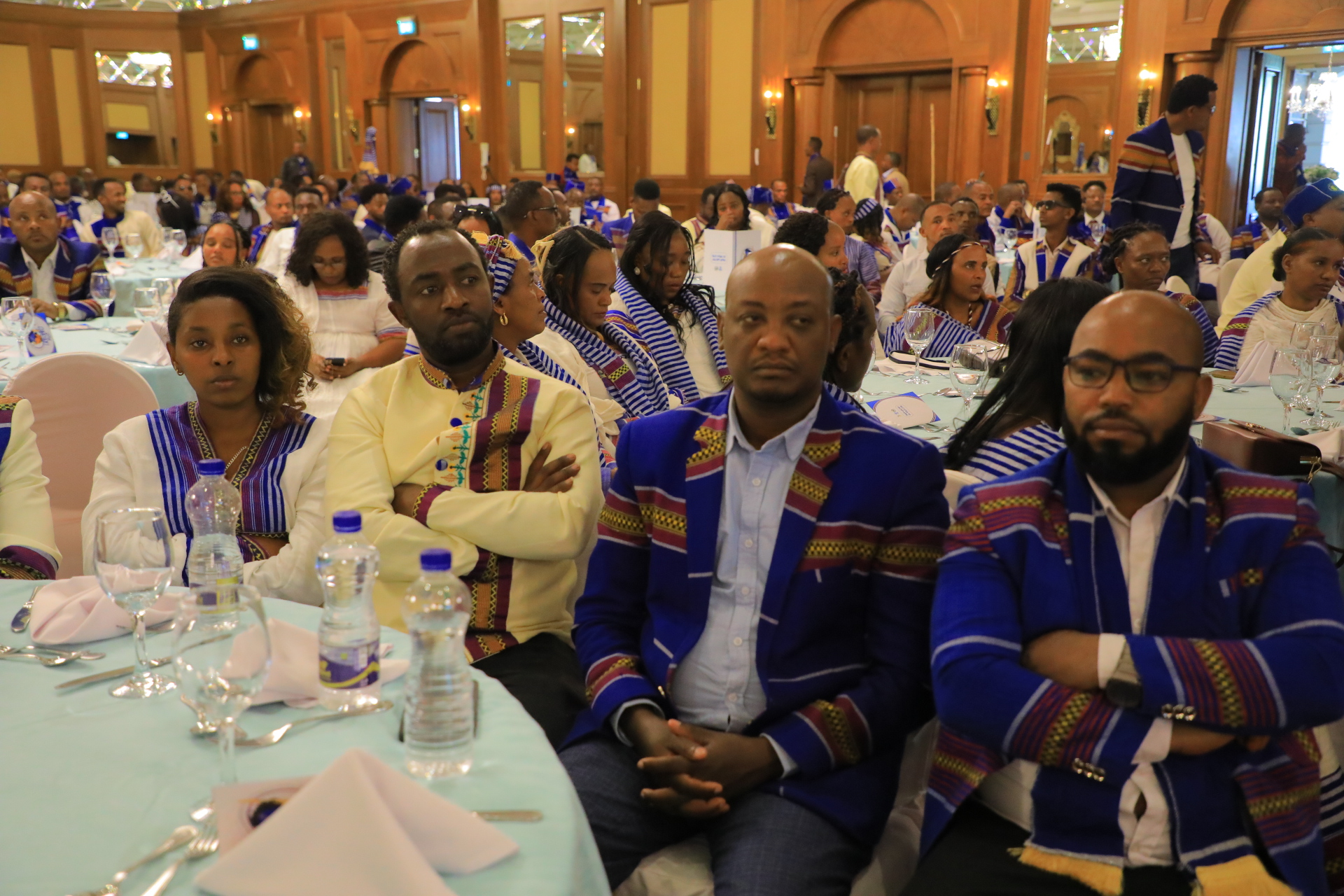
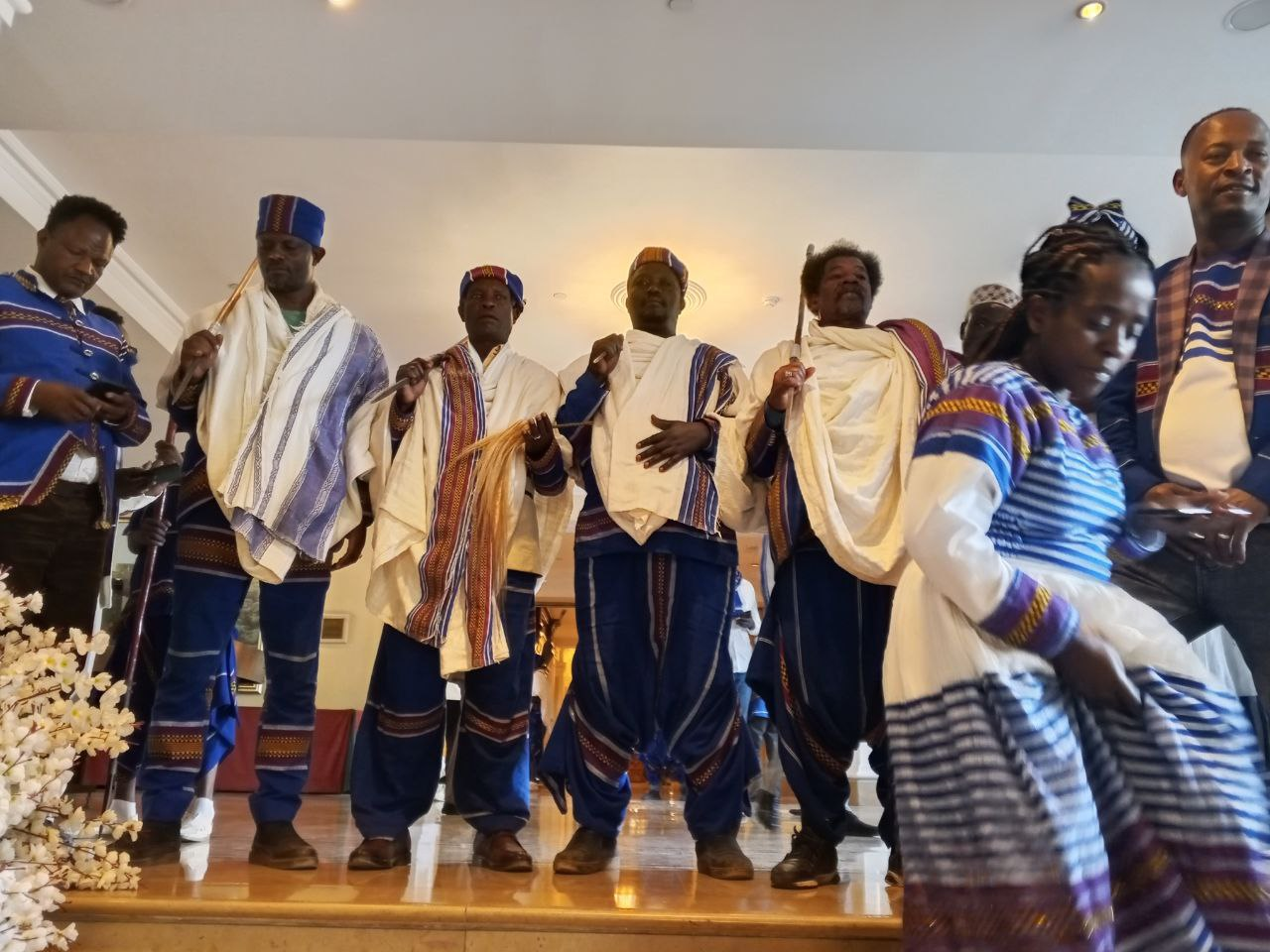
In the heart of Ethiopia’s capital, a celebration of profound cultural and spiritual significance is unfolding. The Gedeo people’s “Daraaro” festival—the annual marker of their transition from the old year to the new—is being observed in Addis Ababa with a solemnity and vibrancy that speaks to both its deep roots and its contemporary relevance.
Described as a festival of “gift, gratitude, and peace,” Daraaro is far more than a calendrical event. It is a living embodiment of a worldview. At its core, it is an act of communal reorientation: a time to present gifts (sita) to spiritual leaders (Abba Gada), expressing thanks for peace and success granted, and articulating collective hopes for health, security, and a bountiful harvest in the year ahead. This intertwining of the spiritual, the social, and the agricultural reveals a holistic philosophy where human well-being is inseparable from divine favor and environmental harmony.
What makes the current observance in Addis Ababa particularly noteworthy is its dual character. It is simultaneously an act of cultural preservation and a statement of modern identity. The inclusion of symposia and events detailing Gedeo history, culture, and language transforms the celebration into a platform for education and dialogue. It asserts that Gedeo heritage is not a relic of the past, but a vital, intellectual, and artistic tradition deserving of national recognition and understanding.
The festival’s official framing around the theme of “development for culture and tourism” is a significant and complex evolution. On one hand, it represents a strategic move to gain visibility and economic leverage within the Ethiopian state, which actively promotes cultural tourism. On the other, it risks commodifying a sacred tradition. The true test will be whether this external framing can remain a vessel for the festival’s intrinsic meanings of gratitude, peace, and social justice, rather than subsuming them.
Indeed, the commentary’s note that issues of “justice and the national system” are part of the discourse during Daraaro is crucial. For the Gedeo—a people with a distinct identity and a history intertwined with questions of land, resource rights, and administrative recognition—a festival of renewal is inevitably also a moment to reflect on societal structures. Prayers for a good harvest and communal safety are, in the modern context, also implicit commentaries on land tenure, economic equity, and political inclusion.
The most forward-looking aspect of the report is the work towards UNESCO recognition as intangible cultural heritage. This pursuit is a high-stakes endeavor. Success would provide a global shield for the festival, fostering preservation, research, and prestige. However, it must be navigated carefully to avoid fossilizing the tradition or divorcing it from the community that gives it life.
A Commentary: The Bridge of Daraaro
Daraaro, in its essence, builds a bridge. It bridges the old year and the new, the human and the divine, the individual and the community. Now, as celebrated in Addis Ababa, it builds another: a bridge between the particularity of Gedeo culture and the broader Ethiopian—and indeed global—conversation.
Its message of gratitude and peace is a universal one, yet it is delivered in the specific, potent vocabulary of Gedeo tradition. Its emphasis on social justice ties an ancient ritual to the most pressing contemporary debates. Its pursuit of UNESCO status places a local Ethiopian practice within an international framework of cultural value.
The celebration of Daraaro in the capital is thus a powerful symbol. It signifies that Ethiopia’s strength does not lie in a monolithic culture, but in the ability of its diverse nations and peoples to bring their unique, rich, and reflective traditions to the national table. It reminds us that a “new year” is not just a change of date, but an opportunity for societal recalibration—a time to offer gratitude, seek justice, and plant collective hopes for the future. In honoring Daraaro, we are reminded that some of the most vital frameworks for building a peaceful and prosperous society are not new political doctrines, but ancient festivals of renewal, patiently observed year after year.
 Oromedia