The Gedeo Daraaro Festival: A Celebration of Renewal and Justice

“Daraaro”: The Gedeo Festival of Renewal and its Modern Resonance
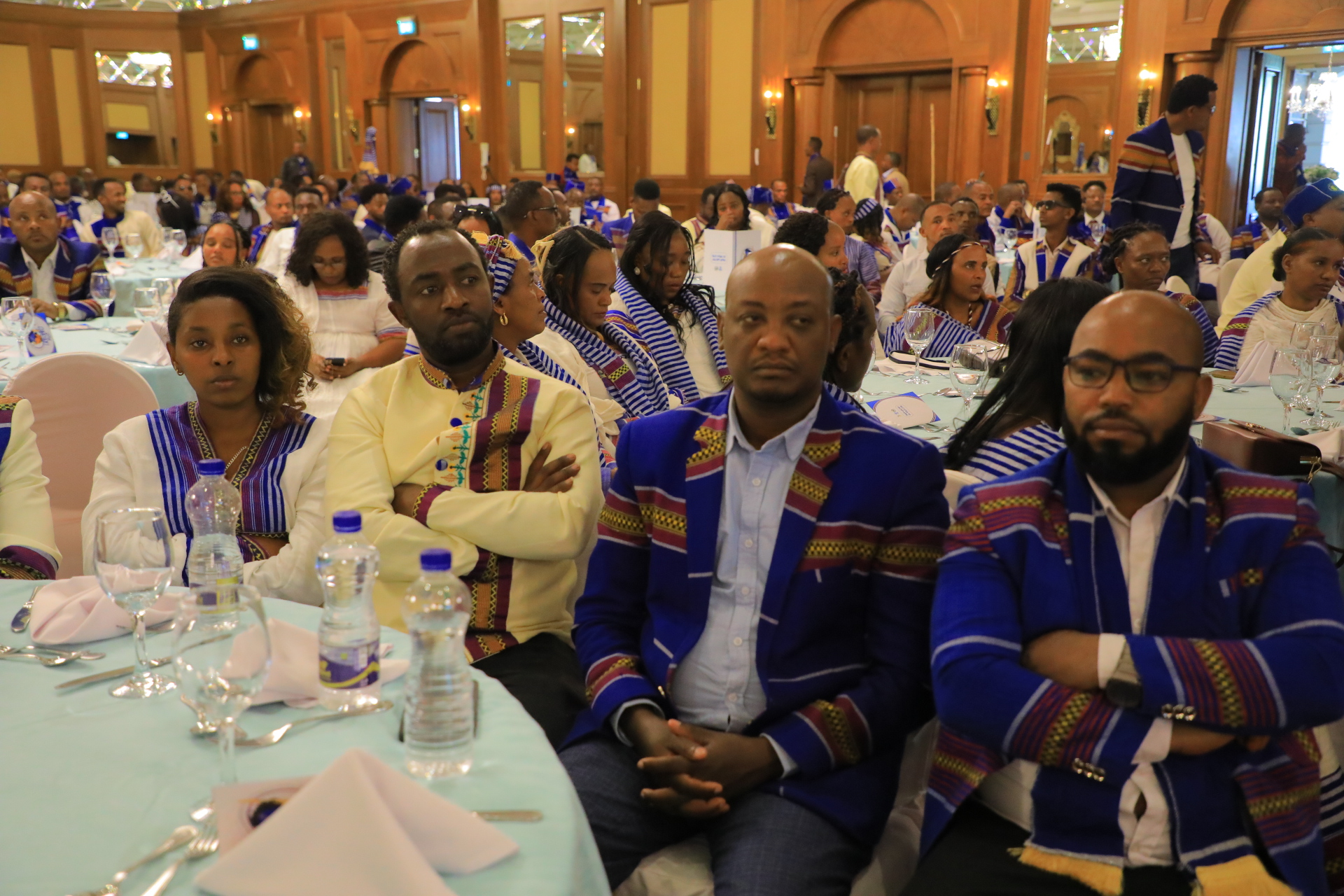
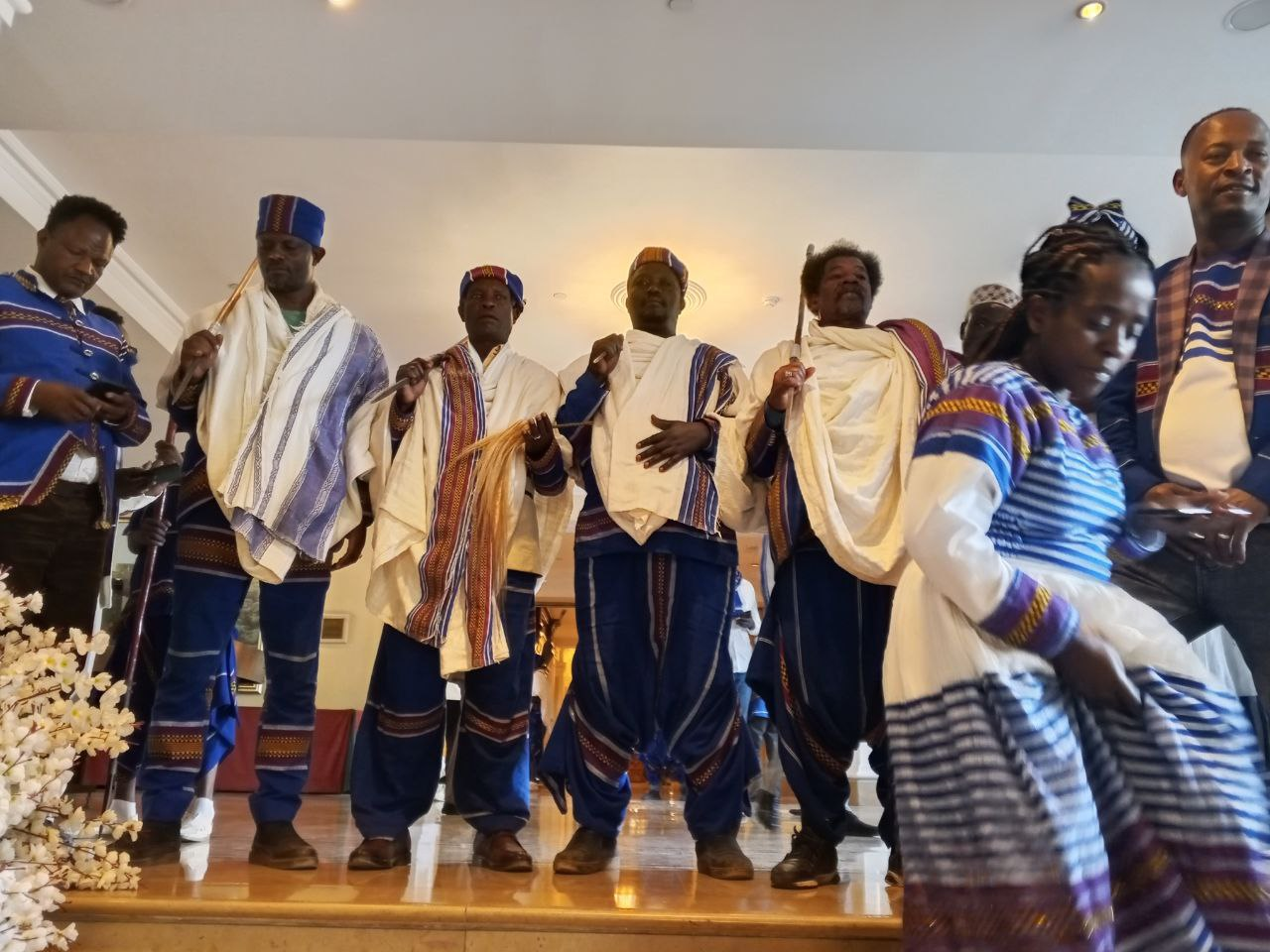
In the heart of Ethiopia’s capital, a celebration of profound cultural and spiritual significance is unfolding. The Gedeo people’s “Daraaro” festival—the annual marker of their transition from the old year to the new—is being observed in Addis Ababa with a solemnity and vibrancy that speaks to both its deep roots and its contemporary relevance.
Described as a festival of “gift, gratitude, and peace,” Daraaro is far more than a calendrical event. It is a living embodiment of a worldview. At its core, it is an act of communal reorientation: a time to present gifts (sita) to spiritual leaders (Abba Gada), expressing thanks for peace and success granted, and articulating collective hopes for health, security, and a bountiful harvest in the year ahead. This intertwining of the spiritual, the social, and the agricultural reveals a holistic philosophy where human well-being is inseparable from divine favor and environmental harmony.
What makes the current observance in Addis Ababa particularly noteworthy is its dual character. It is simultaneously an act of cultural preservation and a statement of modern identity. The inclusion of symposia and events detailing Gedeo history, culture, and language transforms the celebration into a platform for education and dialogue. It asserts that Gedeo heritage is not a relic of the past, but a vital, intellectual, and artistic tradition deserving of national recognition and understanding.
The festival’s official framing around the theme of “development for culture and tourism” is a significant and complex evolution. On one hand, it represents a strategic move to gain visibility and economic leverage within the Ethiopian state, which actively promotes cultural tourism. On the other, it risks commodifying a sacred tradition. The true test will be whether this external framing can remain a vessel for the festival’s intrinsic meanings of gratitude, peace, and social justice, rather than subsuming them.
Indeed, the commentary’s note that issues of “justice and the national system” are part of the discourse during Daraaro is crucial. For the Gedeo—a people with a distinct identity and a history intertwined with questions of land, resource rights, and administrative recognition—a festival of renewal is inevitably also a moment to reflect on societal structures. Prayers for a good harvest and communal safety are, in the modern context, also implicit commentaries on land tenure, economic equity, and political inclusion.
The most forward-looking aspect of the report is the work towards UNESCO recognition as intangible cultural heritage. This pursuit is a high-stakes endeavor. Success would provide a global shield for the festival, fostering preservation, research, and prestige. However, it must be navigated carefully to avoid fossilizing the tradition or divorcing it from the community that gives it life.
A Commentary: The Bridge of Daraaro
Daraaro, in its essence, builds a bridge. It bridges the old year and the new, the human and the divine, the individual and the community. Now, as celebrated in Addis Ababa, it builds another: a bridge between the particularity of Gedeo culture and the broader Ethiopian—and indeed global—conversation.
Its message of gratitude and peace is a universal one, yet it is delivered in the specific, potent vocabulary of Gedeo tradition. Its emphasis on social justice ties an ancient ritual to the most pressing contemporary debates. Its pursuit of UNESCO status places a local Ethiopian practice within an international framework of cultural value.
The celebration of Daraaro in the capital is thus a powerful symbol. It signifies that Ethiopia’s strength does not lie in a monolithic culture, but in the ability of its diverse nations and peoples to bring their unique, rich, and reflective traditions to the national table. It reminds us that a “new year” is not just a change of date, but an opportunity for societal recalibration—a time to offer gratitude, seek justice, and plant collective hopes for the future. In honoring Daraaro, we are reminded that some of the most vital frameworks for building a peaceful and prosperous society are not new political doctrines, but ancient festivals of renewal, patiently observed year after year.
Soil and Water Conservation: A Path to National Pride

A Green Future Takes Root: Soil and Water Conservation as a Legacy in Shawa Lixaa, Dirree Incinnii district.
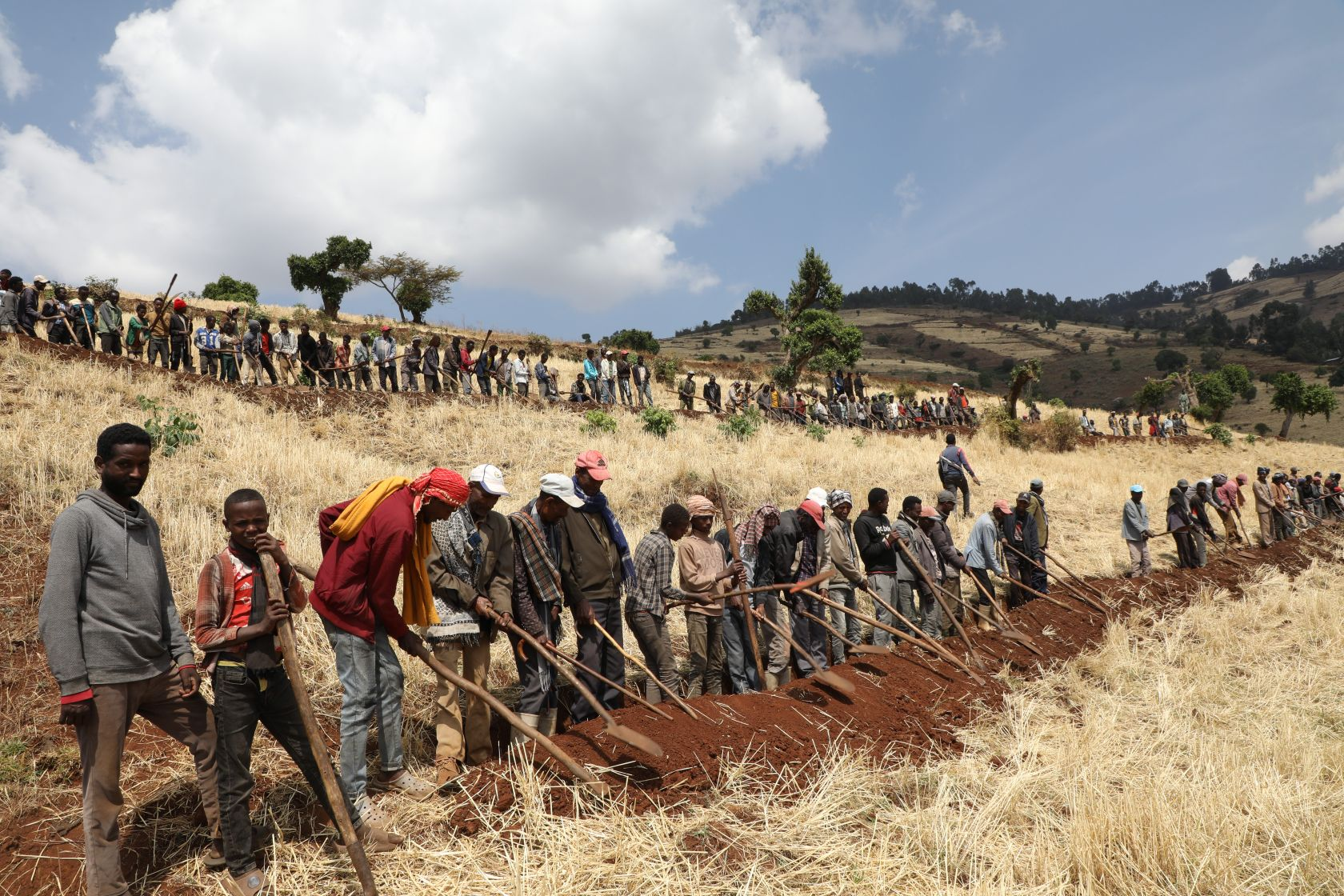
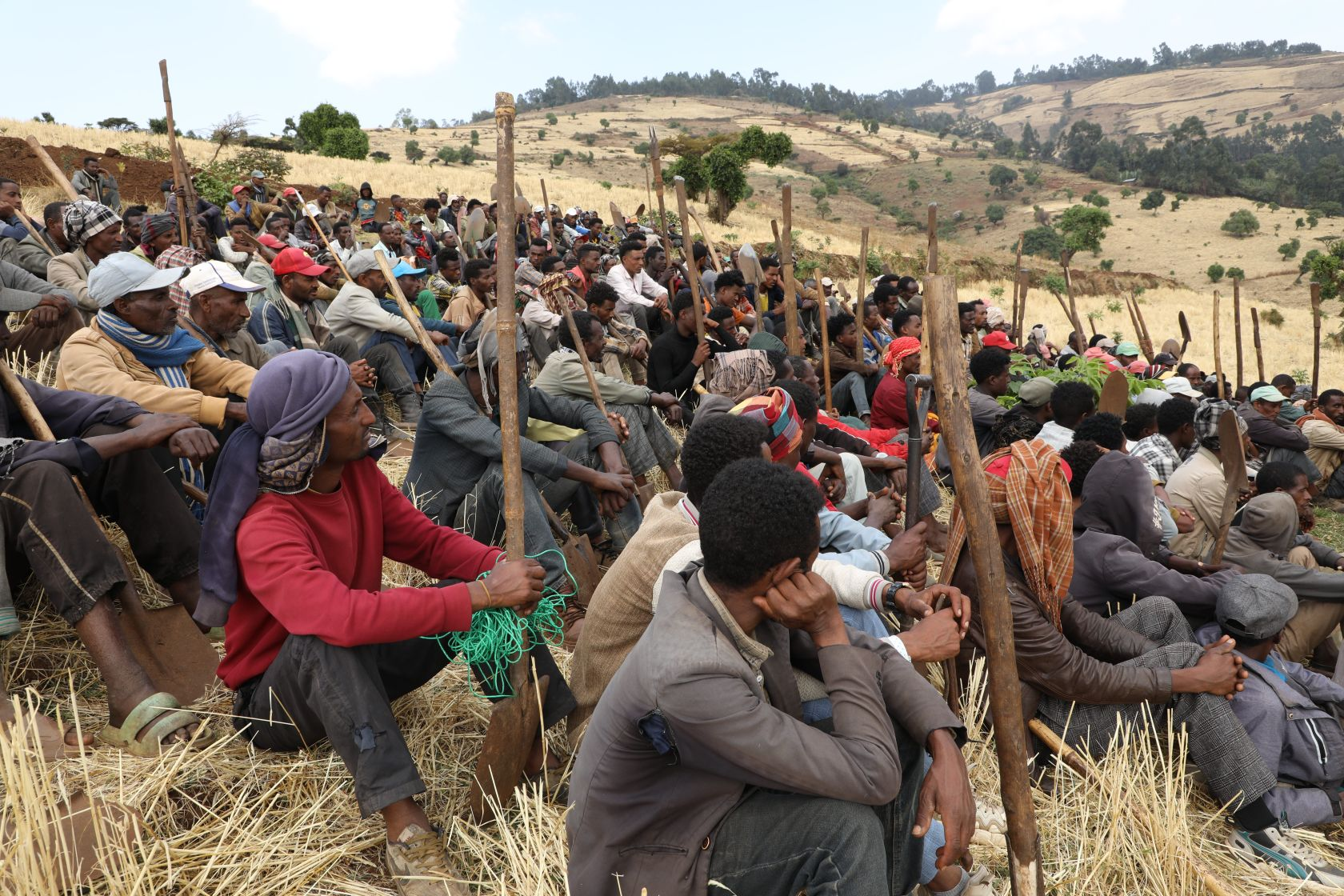
In the heart of Shawa Lixaa, Dirree Incinnii district, a quiet but profound transformation is unfolding. Across multiple villages, a community-led initiative titled “Soil and Water Conservation Campaign for National Pride” has been underway for weeks. This is not a temporary project, but the steady, ongoing work of building a legacy.
The message from local leaders, like Administration and Natural Resources Office Head Obbo Tashoomaa Baqqalaa, is clear and compelling: “We are working to create a clean and fertile country for future generations.” This statement reframes environmental work from a technical chore into a moral and patriotic duty—a gift to the unborn.
The campaign’s objectives are a masterclass in integrated community development. It aims to:
- Enhance natural resource productivity and quality, turning existing assets into greater wealth.
- Combat soil erosion, directly addressing the creeping threat to Ethiopia’s agricultural backbone.
- Increase soil fertility and water availability, the twin pillars of food security and resilience.
What makes the effort in Dirree Incinnii particularly noteworthy is its stated methodology. Officials emphasize that the work is being carried out “at all levels and in an organized manner.” This suggests a holistic framework that moves beyond scattered plots of land. It implies coordination from household to village to district levels, ensuring the work is sustainable and scalable. The phrase “organized manner” points to planning, training, and community mobilization—the essential ingredients that separate a fleeting effort from a lasting movement.
Furthermore, the commitment to “participate and facilitate participation” reveals a crucial insight. The leadership understands their role is not just to direct, but to enable. True, lasting environmental stewardship cannot be imposed; it must be adopted, owned, and championed by the community itself. By actively facilitating broad-based involvement, the campaign sows the seeds of long-term stewardship alongside the physical conservation structures.
Commentary: Beyond Trenches and Terraces
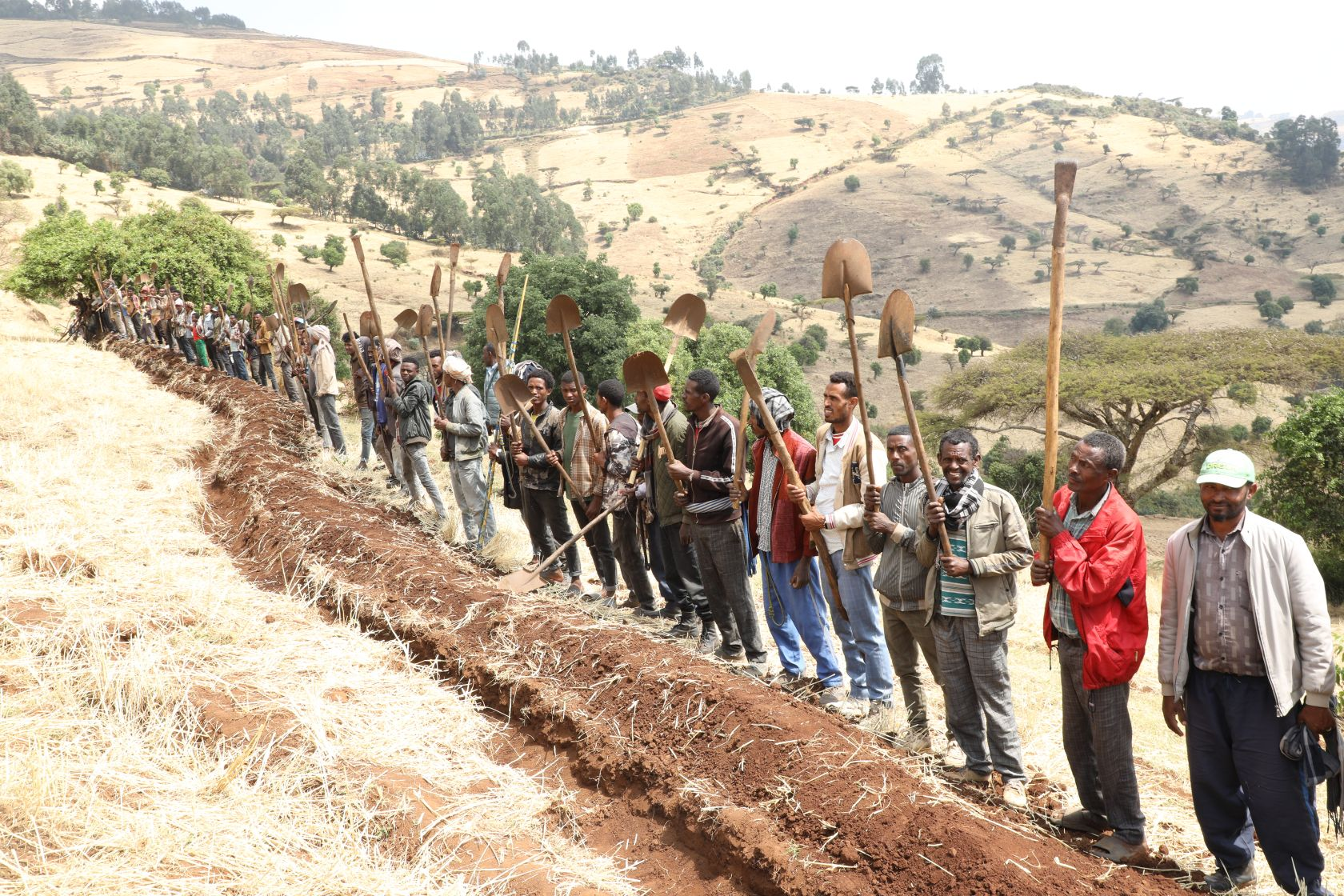
This initiative in Shawa Lixaa represents more than the construction of physical soil bunds (misooma sululaa). It is the construction of a new environmental consciousness.
Firstly, it localizes a global crisis. Climate change and land degradation can feel abstract. By framing the work as creating a “clean and fertile country for our children,” it makes the imperative intimate, urgent, and actionable. It connects the trench dug today to the dinner table of tomorrow.
Secondly, it redefines “national pride.” Too often, national pride is linked solely to history, sport, or military achievement. Here, pride is being cultivated literally in the soil. The health of the land becomes a measure of collective responsibility and a source of dignity. A conserved landscape becomes a badge of honor, a “National Pride” earned through collective sweat and foresight.
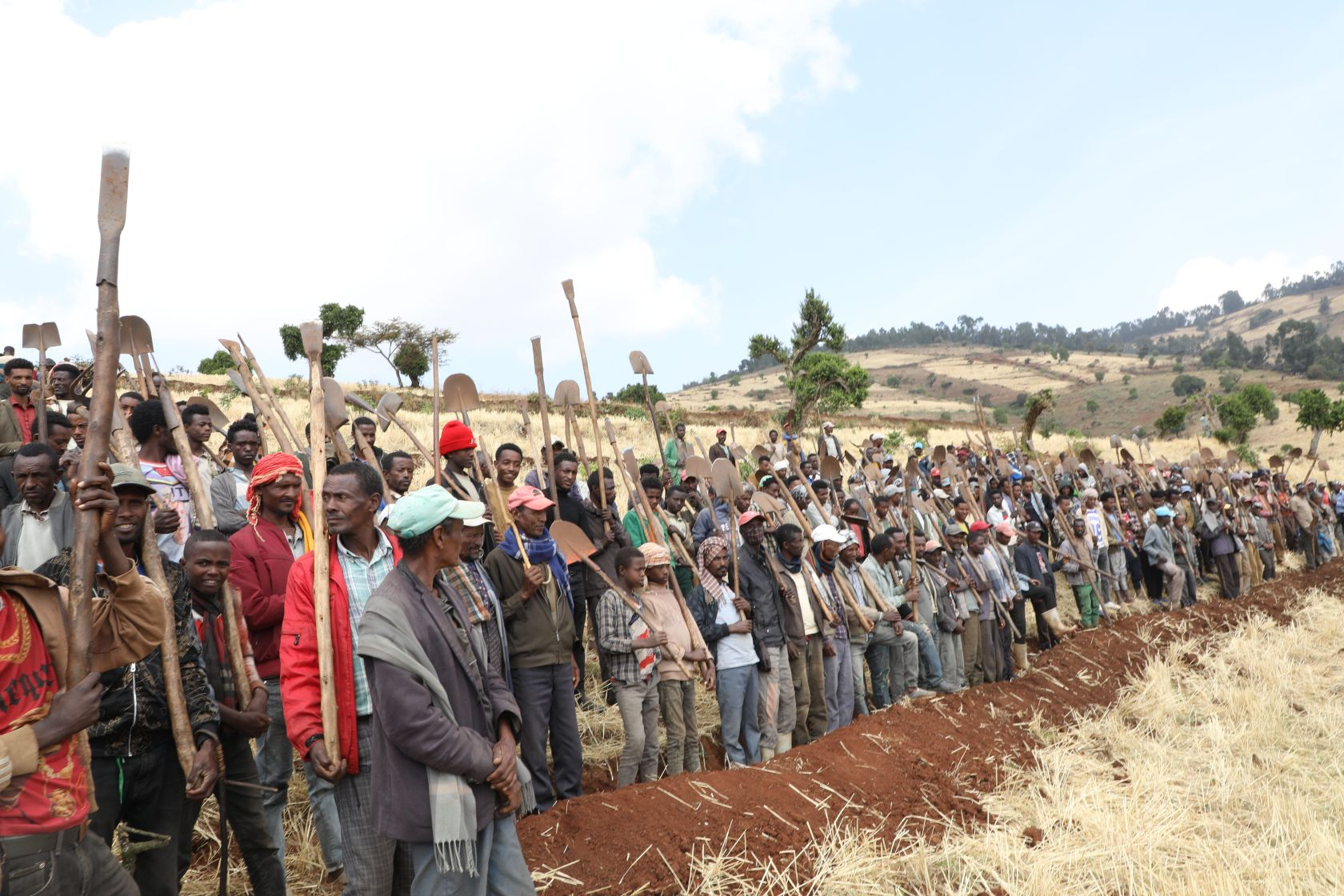
Finally, it presents a model of proactive legacy building. In a world where future generations often inherit problems—pollution, debt, degraded ecosystems—this campaign is an act of intergenerational justice. It is about bequeathing an asset: productive, resilient land.
The challenge, as with all such endeavors, will be continuity. Will the structures be maintained? Will the participatory spirit endure beyond the campaign period? Yet, the foundational vision is precisely right. By tying soil and water conservation directly to national pride, community well-being, and the right of future generations to a fertile home, Obbo Tashoomaa and the people of Dirree Incinnii are not just conserving land. They are cultivating hope, responsibility, and a tangible, green legacy. Their work reminds us that the most profound patriotism can sometimes be found not in grand speeches, but in the quiet, determined act of planting a seed, or building a terrace, for a future one may never see.
 Oromedia