Colonel Gammachuu: The Unyielding Truth Teller of Oromia
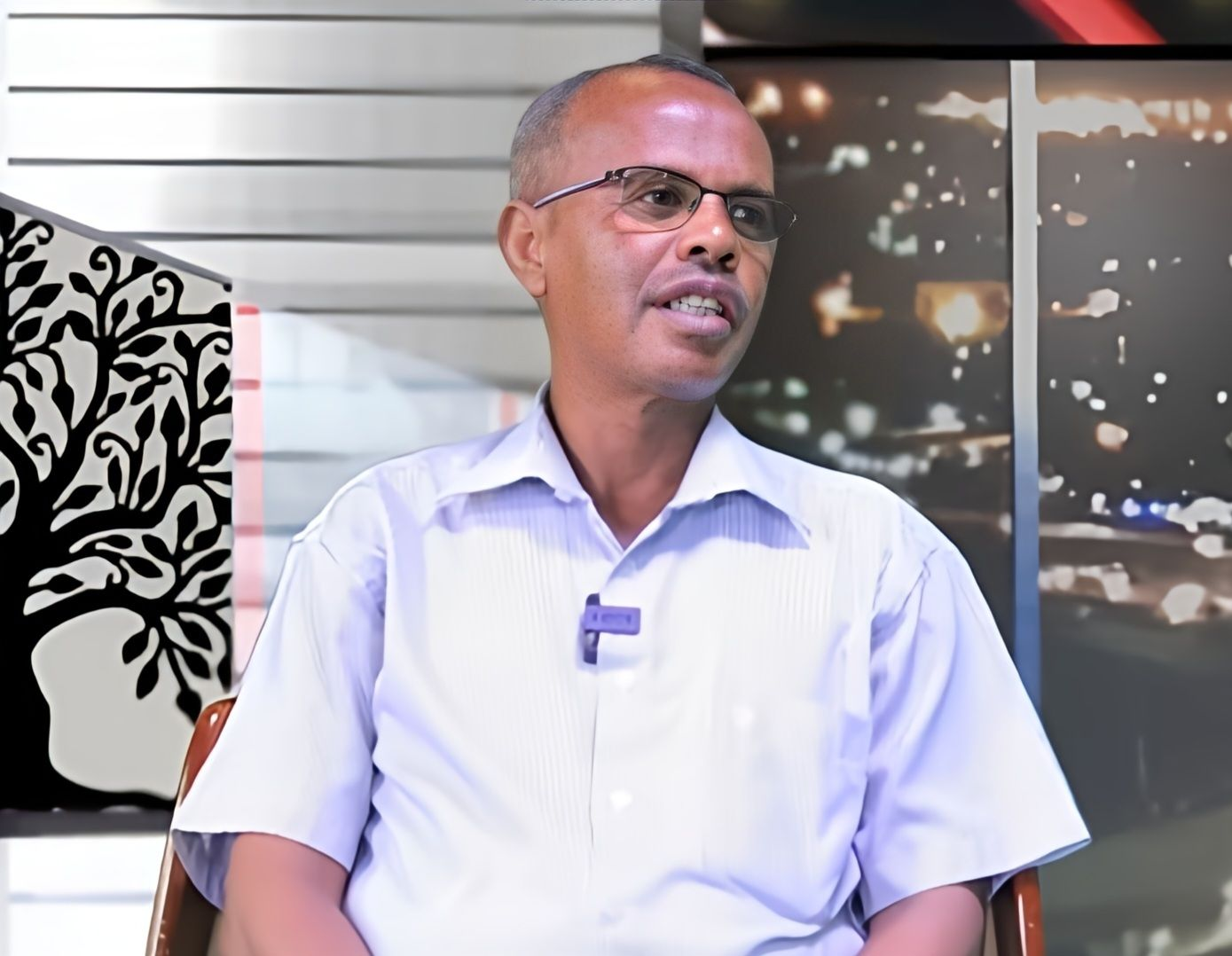
Title: The Unbent Reed: A Commentary on Colonel Gammachuu Ayyaanaa and the Cost of Truth
By Maatii Sabaa
In the suffocating political atmosphere of empires, where silence is often traded for security and allegiances are bartered for comfort, a singular figure stands apart not for the power he wields, but for the truth he refuses to relinquish. Colonel Gammachuu Ayyaanaa, as profiled in a recent and fervent tribute, is presented not merely as a man, but as a phenomenon—an unbent reed in a storm of compromise. He embodies a rare and dangerous archetype: the native son who, understanding the inner workings of the Ethiopian imperial system, chooses not to dine at its table but to speak its crimes aloud.
The commentary paints him with the brush of absolute conviction. He is a man who “knows no malice” and “speaks no falsehood.” This is his foundational identity. In a landscape riddled with coded language and strategic ambiguity, his clarity is itself a revolution. He does not speak truth as a strategy for a better personal life; indeed, his truth-telling guarantees the opposite. As the piece starkly notes, he has “no private life,” existing instead in a state of “lowly livelihood.” The trade-off is explicit: his comfort for his people’s cause. What worries him is not personal hardship, but the “encroachment on the rights of the Oromo people and the violation of Oromia’s borders.”
This is where Gammachuu transcends the typical political or military figure. He is portrayed not as a commander giving orders from a safe remove, but as a “dhaabee”—one who is stationed, rooted, and bearing the brunt. He stands not on a podium, but in the line of fire. His advocacy is particular and painful, giving voice to the displaced communities of Tulama Oromos, whose land and heritage have been erased by force. He channels their specific grief into a universal indictment.
The tribute makes a searing observation about the Oromo community itself, suggesting a troubling tendency to withhold honor from those who most deserve it. It frames Gammachuu as a man whose primary, overriding identity is Oromummaa—Oromo nationhood—which supersedes all clan, regional, or religious affiliations. This unitary focus makes him a stark anomaly in a system, and a society, often fractured by internal divisions the empire readily exploits.
His fearlessness is not born of ignorance, but of profound understanding. Having “analyzed the politics of the Ethiopian Empire,” he comprehends the full weight of its machinery. Yet, this knowledge does not paralyze him with caution; it liberates him with purpose. The system, the commentary asserts, has already declared its verdict on such men, whether they are called “scholars” or “heroes.” In the face of this, Gammachuu speaks with “no fear,” save the fear of failing his unwavering commitment.
The final exhortation—”Nama kana Kunuunsadhu Oromoo!” (Oromo people, support this man!)—is the crucial pivot from admiration to action. It recognizes that such singular courage is not a self-sustaining artifact. It is a flame that must be shielded by the collective will of the people it seeks to illuminate. Colonel Gammachuu Ayyaanaa, as presented, is the unwavering voice. The question implicit in the commentary is whether the people for whom he speaks will become the unshakeable chorus, ensuring that the cost of truth is borne not by one man alone, but shared by a nation determined to hear it. In an age of calculated silence, his story is a piercing reminder that the most potent form of resistance is a life lived in uncompromising alignment with truth, regardless of the price.
 Oromedia