
A New Urban Vision for Oromia: How Smart Cities Are Redefining Governance, Service, and Mobility
An In-Depth Analysis of the Transformative Projects in Adama, Gadaa, Bishoftu, and Shaggar
By Maatii Sabaa, Feature Commentary
A quiet revolution in urban planning is unfolding in the heart of Oromia. It’s a vision that moves beyond concrete and asphalt to embed technology, data, and citizen-centric design into the very DNA of its cities. Following a significant directive from President Shimelis Abdisa, the Oromia Regional Government has embarked on an ambitious journey to transform Adama, Gadaa, Bishoftu, and Shaggar into model “smart cities” for Ethiopia and East Africa.
This initiative recognizes a fundamental truth: the success of a modern city is no longer measured solely by its buildings but by the intelligence of its systems—its governance, services, mobility, and environmental sustainability. For too long, our cities have lagged, not just nationally but regionally, in the foundational digital infrastructure that powers 21st-century urban life. This project is a decisive attempt to bridge that gap.
1. Smart Governance: The Backbone of a New System
The transformation begins with governance itself. The regional government understands that overcoming legacy planning, economic, and political hurdles requires, first and foremost, modernizing city leadership and administration.
All four pilot cities have initiated a new, streamlined governance model for smart cities. This involves tech-driven planning processes, digitalized workflows, and participatory monitoring systems. The aim is to foster transparency, accountability, and digital inclusion. For instance, the use of digital technologies is already enhancing community safety and information-sharing protocols.
The Gadaa Special Economic Zone stands out as a test case for autonomous, specialized urban governance. Operating under its own set of bylaws and directives, the Zone manages investment and administrative processes with remarkable agility, including handling its own fiscal instruments like taxes and capital goods imports. This specialized governance model is proving to be a catalyst for rapid development, having already attracted 39 significant local and international investors.
2. Smart Service: The “One-Stop Shop” Revolution
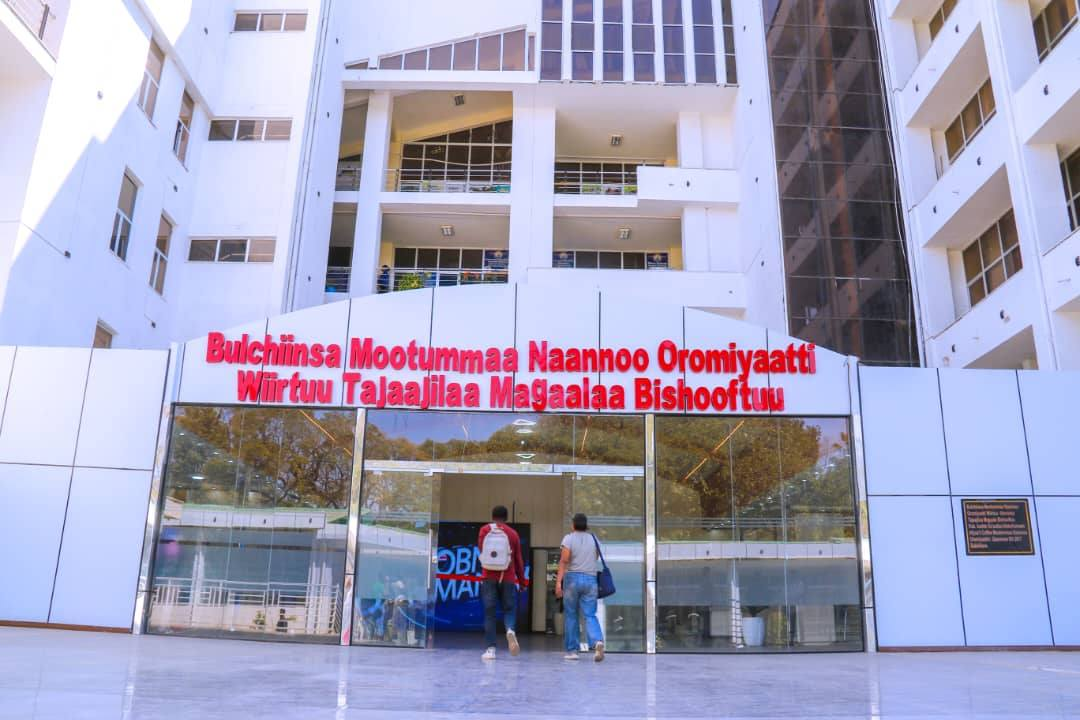
A smart city is only as good as the services it provides. The flagship innovation here is the “WIIRTUU TOKKOffaa” or One-Stop Service Center. This is far more than a convenience; it’s a complete re-engineering of the citizen-government interface.
These centers are architecturally designed and digitally saturated hubs. They eliminate the need for citizens to trek between disparate offices. A citizen can check requirements online, arrive at a welcoming space with amenities, and have their request processed under camera-monitored, streamlined systems. Adama currently offers 138 services, Bishoftu 131, and Shaggar 159 through these centers, with notable improvements in service quality and speed.
Crucially, reform extends to the civil servants. Work environments have been upgraded, and training systems now focus on enhancing skills, efficiency, and a culture of servitude. The vision is expansive: by 2030, aligned with “Digital Ethiopia 2030,” the government aims to digitize all city-level services and extend the one-stop-shop model to the woreda (district) level, bringing government to the people’s doorstep.
3. Smart Mobility: Engineering Connection, Not Just Concrete
The master plans for these cities envision more than roads; they envision integrated, sustainable, and intelligent mobility ecosystems. The focus is on creating multi-modal corridors that facilitate economic flow, are technologically enabled, and offer choices for all citizens.
Each city has a detailed, phased roadmap:
- Adama has planned over 425 km of asphalt roads, strategically categorizing them into major corridors (62km), arterial links (39km), and extensive local and collector streets to ensure seamless intra-city and inter-regional connectivity.
- Gadaa (the SEZ) is planning approximately 900 km of road network, including an 88 km expressway to link it directly with Bishoftu’s international airport. The plan also includes dedicated bicycle lanes and new bus terminals.
- Bishoftu has a comprehensive plan for 1,674 km of roads and rail lines, carefully tiered from high-capacity corridors to local neighborhood streets. Over 55% of the first-phase corridor development is already complete.
- Shaggar (Addis Ababa) is undertaking the most extensive overhaul, planning 7,000 km of intelligent asphalt roads. Projects like the Galaan-Galaan corridor and upgrades to major arteries are already underway. Plans even include futuristic options like a cable car system.
The underlying principle for all this infrastructure is integration—of energy lines, universal accessibility, climate resilience, and technology. The future points toward implementing Intelligent Transportation Systems (ITS) to manage traffic in real-time and developing Bus Rapid Transit (BRT) systems. The goal is fluid movement: efficient, uncongested, and safe.
Conclusion: A Holistic Blueprint for the Future
The smart city initiative in Oromia is not a piecemeal tech upgrade. It is a holistic blueprint that interlinks intelligent governance, human-centered service delivery, and sustainable mobility. It acknowledges that a city’s greatness lies in its ability to improve the lives of its inhabitants—their environment, their daily experience, and their connection to opportunity.
The journey has begun with significant early wins in investor confidence and citizen satisfaction metrics. The path ahead is long and requires sustained investment and commitment. However, by placing data, transparency, and citizen needs at the core of urban development, Oromia is not just building smarter cities; it is forging a more responsive, efficient, and inclusive model of urban life for all of Ethiopia. The transformation of Adama, Gadaa, Bishoftu, and Shaggar is a project worth watching, a bold experiment in writing a new chapter for the Ethiopian city.
 Oromedia