
Eight Farmers and Landholders Imprisoned in Bishoftu After Defying Eviction Order
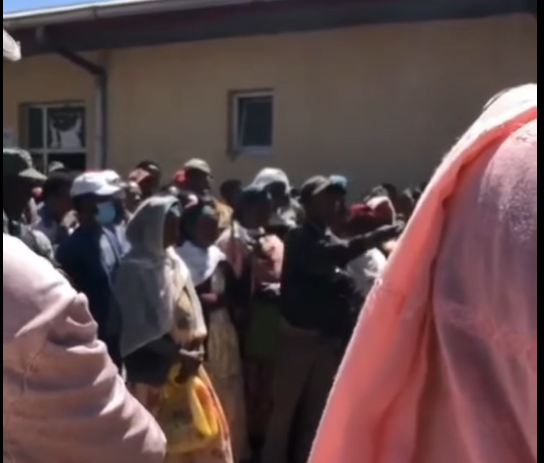
BISHOFTU, OROMIA – Eight individuals, primarily farmers and family heads, are currently being held at the Dhaka Booraa detention center in Bishoftu town after reportedly refusing to vacate their homes on an area known as “Aabbuu” land. The group was forcibly evicted and detained after their refusal to leave voluntarily, according to information obtained by the Oromo Media Network (OMN).
The individuals detained are identified as both landowners and tenant farmers, holding legal documentation for the land from either their fathers or previous owners. The list provided by OMN details their circumstances:
- Biraanuu Tolosaa: Holds ownership documents certified by a court. Father of 2.
- Dammaa Kaasa: A tenant farmer (qotee bultuu).
- Zawuduu Juuflaa: Holds court-certified documents granted by his father. Father of 6.
- Likkuu Miidhaksa: Holds court-certified ownership documents. Mother of 5.
- Shuumii Juuflaa: Holds court-certified documents granted by his father. Father of 6.
- Biree Tarruu: Holds court-certified documents granted by his father. Father of 2.
- Baalchaa Bashaadaa: Holds court-certified documents granted by his father. Father of 3.
- Abarraa Lammeechoo: Holds court-certified documents granted by his father. Is a person with a disability.
- Qorichoo Gammachuu: Holds land received from his family. Father of 4.
The case highlights tensions over land rights and eviction procedures. The detainees’ possession of court-certified documents suggesting legal ownership or tenure raises significant questions about the basis of the eviction order and their subsequent arrest.
Officials from the Bishoftu city administration or local police have not yet issued a public statement regarding the specific charges against the group or the legal authority for the eviction at the “Aabbuu” site.
Community sources express concern over the detention of multiple breadwinners and a person with a disability. The incident is expected to amplify ongoing debates about land disputes, due process, and the protection of livelihoods in the region.
This is a developing story. Further updates will follow as more information becomes available from official sources.
 Oromedia