
Feature Commentary: The Covenant Renewed – How a Washington D.C. Celebration Forged a Blueprint for Continuity
On the surface, the gathering by the Washington D.C. chapter of the Oromo Liberation Front (OLF-Konyaa) was a familiar ritual: the commemoration of Oromo Liberation Army (WBO) Day and the celebration of Amajjii, the Oromo New Year. Yet, within the traditional prayers (eebba), speeches, and shared resolve, a powerful and sophisticated blueprint for the struggle’s future was being articulated—one that skillfully wove together gratitude, clear-eyed assessment, intergenerational blessing, and a philosophy of endurance.
The ceremony, opened by the spiritual invocation of veteran leader Jaal Qaxalee Waaqjiraa, immediately grounded the political in the spiritual. His thanksgiving prayer, “We thank God who, after years of wandering, has brought us here,” was profoundly layered. It acknowledged a journey—a long, arduous “wandering” of exile, displacement, and conflict—while celebrating the “here”: a community intact, organized, and capable of gathering in defiance of that very displacement. It framed the present not as an endpoint, but as a providentially granted platform, creating a sense of both debt and opportunity.
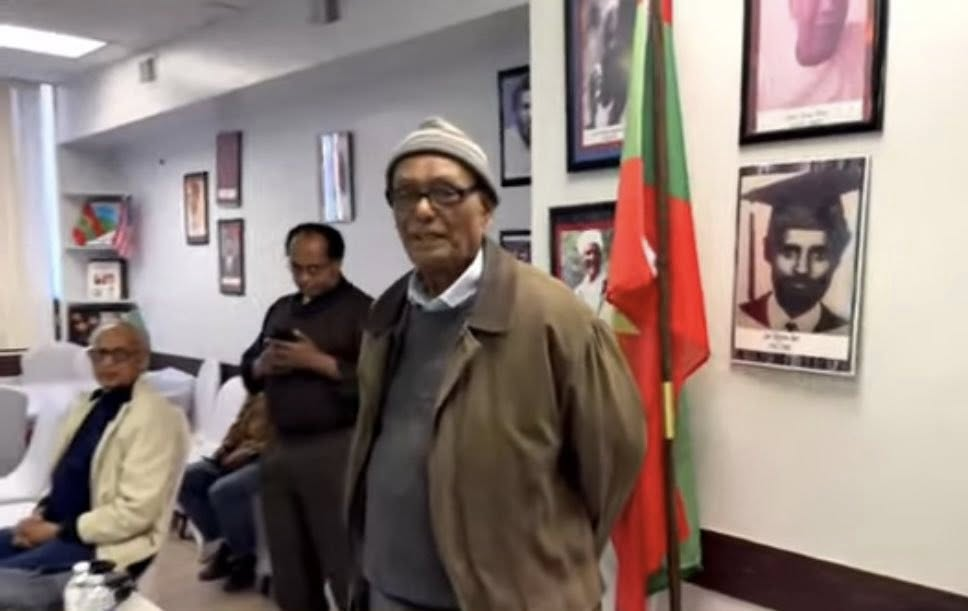
This spiritual framing set the stage for a starkly realistic assessment from chapter chairperson Jaal Bilisummaa Tasgara. By openly detailing “the current situation of the struggle,” he performed a crucial act of transparency. There was no empty triumphalism. Instead, there was a communal acknowledgment of the “complex and difficult” (ulfaataa) reality. This honesty is the bedrock of trust and mature mobilization. It prevents disillusionment and transforms collective understanding from a source of despair into a foundation for strategic perseverance. As he noted, the day was both a “day of mourning and celebration,” a duality that honestly captures the Oromo condition—grieving the fallen while celebrating the unbroken spirit.
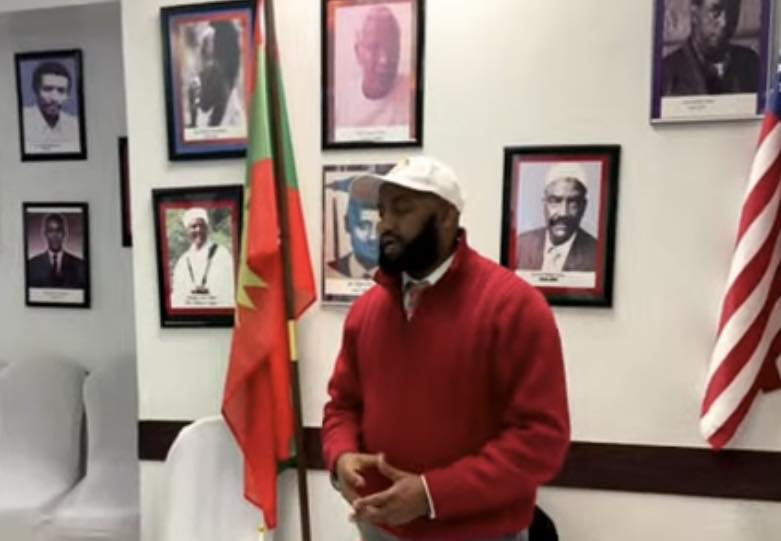
From this realistic ground sprang the core directive: “Our people must become stronger and more resilient.” This was not a vague wish but a clear, operational imperative. The call for jabeenya (strength) and ijaarsa (building/construction) shifts the focus from merely reacting to oppression to proactively building communal, institutional, and personal fortitude. It answers the “how” of continuing in a difficult phase.
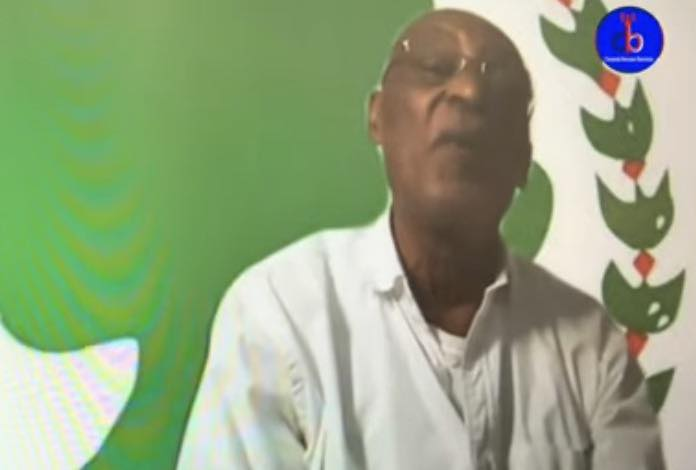
The most poignant moment of strategic continuity was the virtual participation of legendary elder Jaal Dhugaasaa Bakakkoo. His Zoom presence was a powerful technological bridge across time. By thanking him for his “guidance and perseverance,” the assembly did more than honor a hero; it ritually drew a line of legitimacy and tactical wisdom from the founding generation directly into the present. It signaled that the current path is not a divergence but an inheritance, blessed by those who laid the first stones.
This synthesis of elements reveals a sophisticated political culture. The event masterfully connected:
- Spiritual Legitimacy (Eebba) with Political Analysis.
- Honest Acknowledgment of Hardship with a Call for Proactive Strength.
- Reverence for the Past with a Practical Roadmap for the Future.
The closing reflection, “Our struggle is alive and will continue to be remembered as one with a clear direction and sustainable objective,” is thus not a hopeful slogan but a conclusion drawn from the evening’s architecture. They have defined “alive” not as mere existence, but as the state of being guided, united, building strength, and connected to one’s source.
The Washington D.C. celebration, therefore, was a masterclass in sustaining a liberation movement in the long haul. It moved beyond mere remembrance into the realm of active stewardship. It showed that the covenant of struggle is renewed not by ignoring the present cost, but by confronting it with faith, honesty, unity, and an unwavering commitment to building the resilience needed to see the journey through. The message was clear: the wandering has brought us to this point of clarity. Now, we build, we endure, and we march, strengthened by the very weight of the journey itself.
 Oromedia