New Year, New Hope: Oromo Youth Demand Freedom

Feature News: A New Year’s Covenant – Oromo Youth Pledge Action to Fulfill “The Price of Freedom”
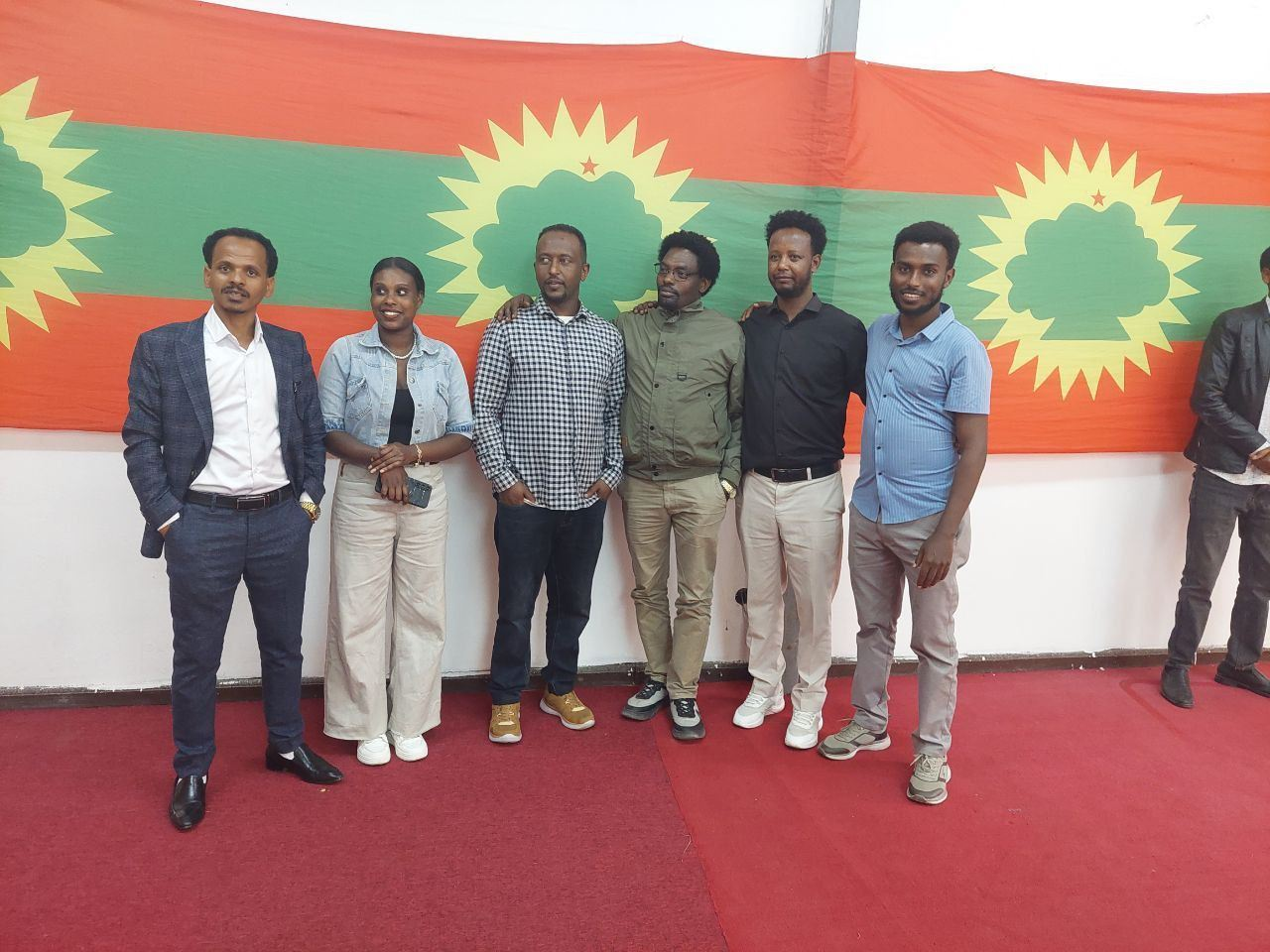
As the Oromo community worldwide celebrated the dawn of a new year, a powerful and solemn pledge emerged from its youth vanguard, framing the occasion not just as a celebration, but as a moment of collective accounting and renewed commitment.
In a statement reflecting the spirit of the season, representatives of the Oromo youth movement affirmed their core aspirations: “Our hope is for the freedom, dignity, peace, and security of our people.” This declaration, however, was immediately coupled with a stark acknowledgment of responsibility. They stated they stand firmly “under the vanguard of the Qeerroo Bilisummaa Oromoo (QBO), which is led by the OLF,” ready to shoulder the burden required to make that hope a reality.
The most striking element of their message was the concept of a debt to be paid. “To fulfill that hope… we have paid and will continue to pay the necessary price,” the statement read. This “price” is understood as the immense sacrifices—lives lost, freedoms curtailed, and years of struggle—endured by the Oromo people throughout generations of what they term “the darkness of subjugation.”
The message transforms New Year’s optimism into a blueprint for action. It positions the coming year not as a passive waiting period, but as an active campaign to “lead our people from the darkness of subjugation into the light of freedom.” This imagery powerfully defines their political struggle as a journey toward enlightenment and liberation.
The closing acclamations—“Long live the OLF! Victory is for our people!”—root this forward-looking energy in the existing political structure and collective identity. It confirms the QBO’s alignment with the Oromo Liberation Front’s historical mission while placing the agency for the final push squarely on the shoulders of the mobilized youth.
Analysts see this statement as a significant articulation of the movement’s current phase. It moves beyond protest and resistance toward a language of fulfillment and debt settlement. The youth are not just asking for freedom; they are announcing their intention to actively “pay for it” through continued struggle and sacrifice, seeing themselves as the executors of a long-held national promise.
The feature of this news is its encapsulation of a pivotal mindset: the Oromo New Year has become a time to audit the balance sheet of the struggle. The hopes are the credit; the sacrifices are the debit. The message from the youth is clear—they are committed to closing the ledger, whatever the cost, until the account of freedom is settled. The journey from darkness to light, they assert, is a bill they are prepared to pay in full.
Celebrating Oromo Strength: Lessons from D.C. Gathering

Feature Commentary: The Covenant Renewed – How a Washington D.C. Celebration Forged a Blueprint for Continuity
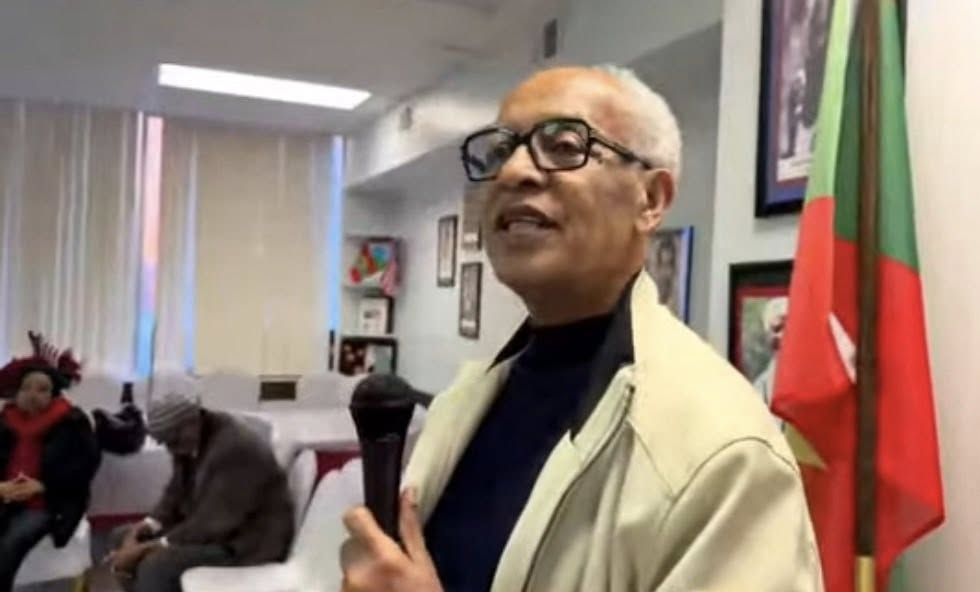
On the surface, the gathering by the Washington D.C. chapter of the Oromo Liberation Front (OLF-Konyaa) was a familiar ritual: the commemoration of Oromo Liberation Army (WBO) Day and the celebration of Amajjii, the Oromo New Year. Yet, within the traditional prayers (eebba), speeches, and shared resolve, a powerful and sophisticated blueprint for the struggle’s future was being articulated—one that skillfully wove together gratitude, clear-eyed assessment, intergenerational blessing, and a philosophy of endurance.
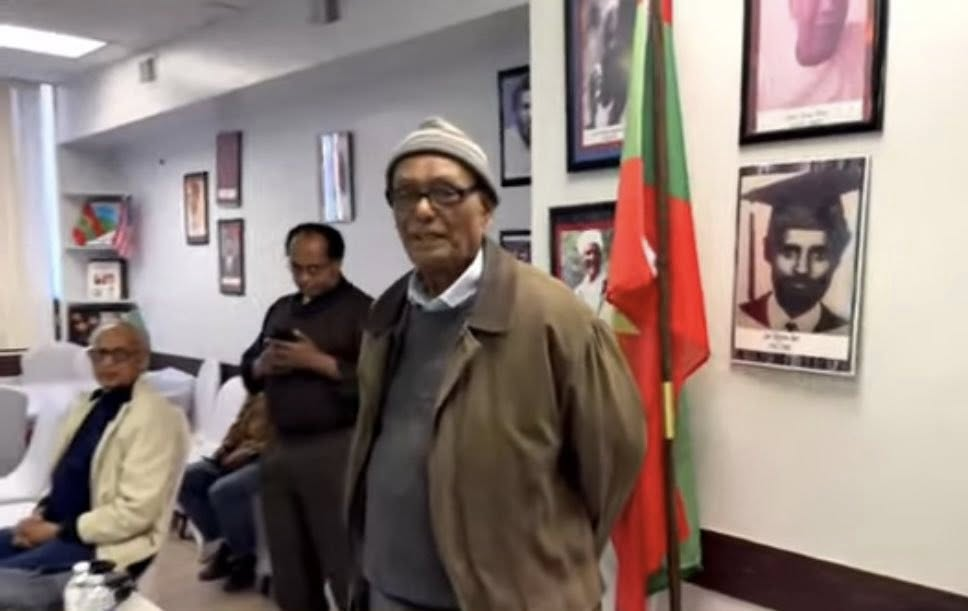
The ceremony, opened by the spiritual invocation of veteran leader Jaal Qaxalee Waaqjiraa, immediately grounded the political in the spiritual. His thanksgiving prayer, “We thank God who, after years of wandering, has brought us here,” was profoundly layered. It acknowledged a journey—a long, arduous “wandering” of exile, displacement, and conflict—while celebrating the “here”: a community intact, organized, and capable of gathering in defiance of that very displacement. It framed the present not as an endpoint, but as a providentially granted platform, creating a sense of both debt and opportunity.
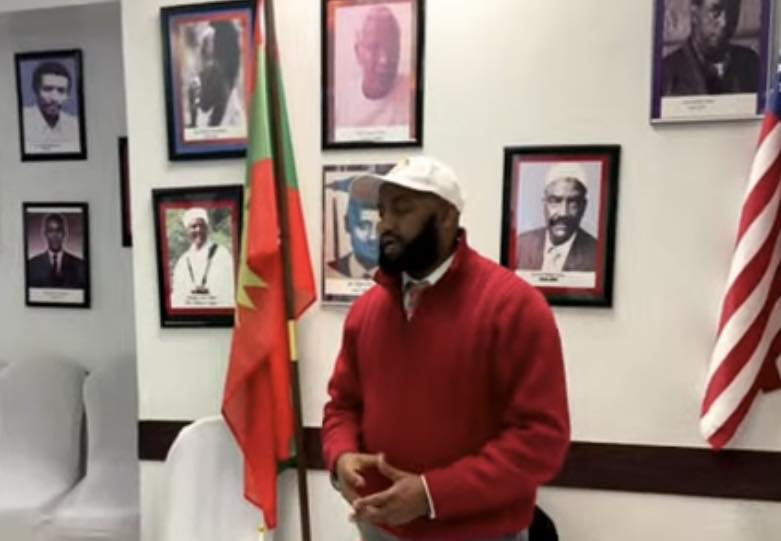
This spiritual framing set the stage for a starkly realistic assessment from chapter chairperson Jaal Bilisummaa Tasgara. By openly detailing “the current situation of the struggle,” he performed a crucial act of transparency. There was no empty triumphalism. Instead, there was a communal acknowledgment of the “complex and difficult” (ulfaataa) reality. This honesty is the bedrock of trust and mature mobilization. It prevents disillusionment and transforms collective understanding from a source of despair into a foundation for strategic perseverance. As he noted, the day was both a “day of mourning and celebration,” a duality that honestly captures the Oromo condition—grieving the fallen while celebrating the unbroken spirit.
From this realistic ground sprang the core directive: “Our people must become stronger and more resilient.” This was not a vague wish but a clear, operational imperative. The call for jabeenya (strength) and ijaarsa (building/construction) shifts the focus from merely reacting to oppression to proactively building communal, institutional, and personal fortitude. It answers the “how” of continuing in a difficult phase.
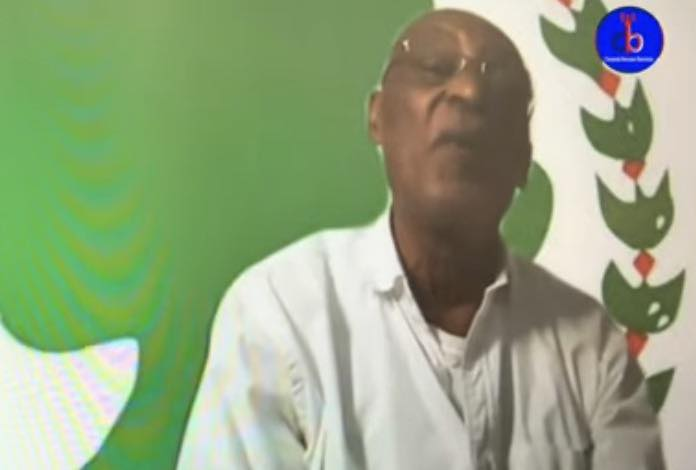
The most poignant moment of strategic continuity was the virtual participation of legendary elder Jaal Dhugaasaa Bakakkoo. His Zoom presence was a powerful technological bridge across time. By thanking him for his “guidance and perseverance,” the assembly did more than honor a hero; it ritually drew a line of legitimacy and tactical wisdom from the founding generation directly into the present. It signaled that the current path is not a divergence but an inheritance, blessed by those who laid the first stones.
This synthesis of elements reveals a sophisticated political culture. The event masterfully connected:
- Spiritual Legitimacy (Eebba) with Political Analysis.
- Honest Acknowledgment of Hardship with a Call for Proactive Strength.
- Reverence for the Past with a Practical Roadmap for the Future.
The closing reflection, “Our struggle is alive and will continue to be remembered as one with a clear direction and sustainable objective,” is thus not a hopeful slogan but a conclusion drawn from the evening’s architecture. They have defined “alive” not as mere existence, but as the state of being guided, united, building strength, and connected to one’s source.
The Washington D.C. celebration, therefore, was a masterclass in sustaining a liberation movement in the long haul. It moved beyond mere remembrance into the realm of active stewardship. It showed that the covenant of struggle is renewed not by ignoring the present cost, but by confronting it with faith, honesty, unity, and an unwavering commitment to building the resilience needed to see the journey through. The message was clear: the wandering has brought us to this point of clarity. Now, we build, we endure, and we march, strengthened by the very weight of the journey itself.
Revival of Sirna Goobaa: A New Dawn for Oromo Governance

Feature News: Dawn Reclamation – Oromo Gadaa Assembly Ushers in New Era at Historic Tarree Leedii Site
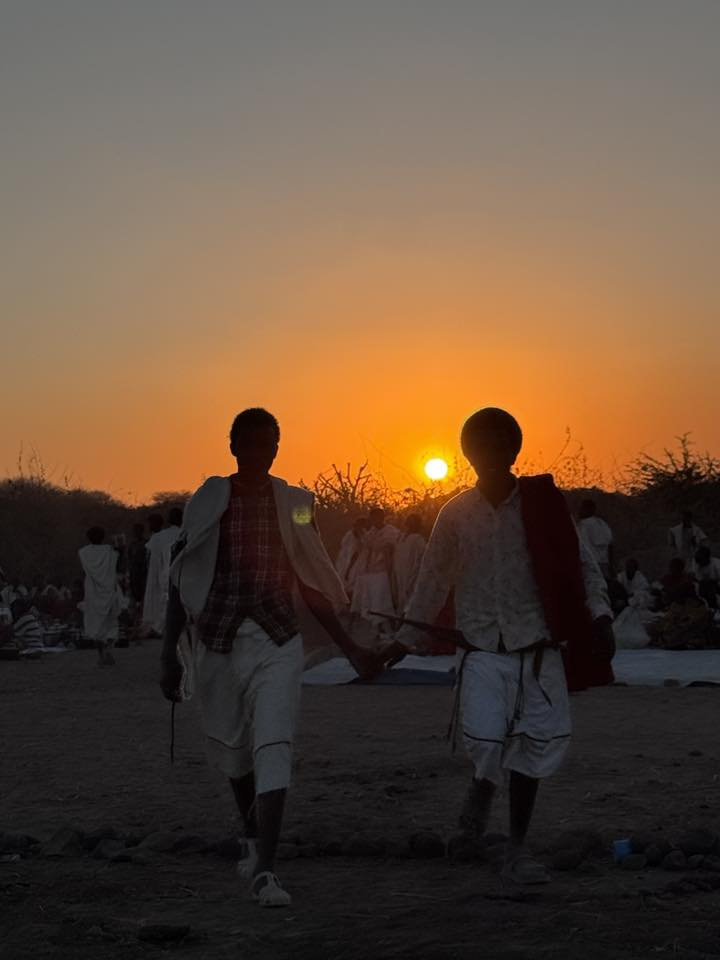
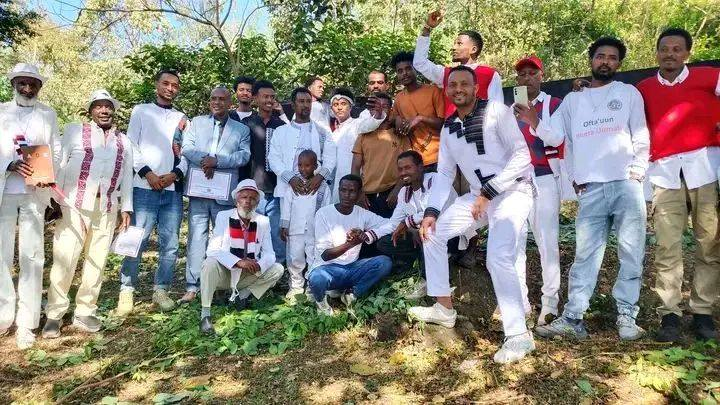
FANTAALLEE, SHAWA BAHAA, OROMIA – In a powerful act of cultural restoration and communal resolve, the Oromo Gadaa system of the Karrayyuu region has formally reinstated its traditional assembly, the Sirna Goobaa, at the sacred grounds of Ardaa Jilaa, Tarree Leedii. This landmark gathering, conducted at dawn on Saturday according to sacred custom, marks not just a meeting, but the revival of an ancient democratic and spiritual heartbeat in Eastern Shawa.
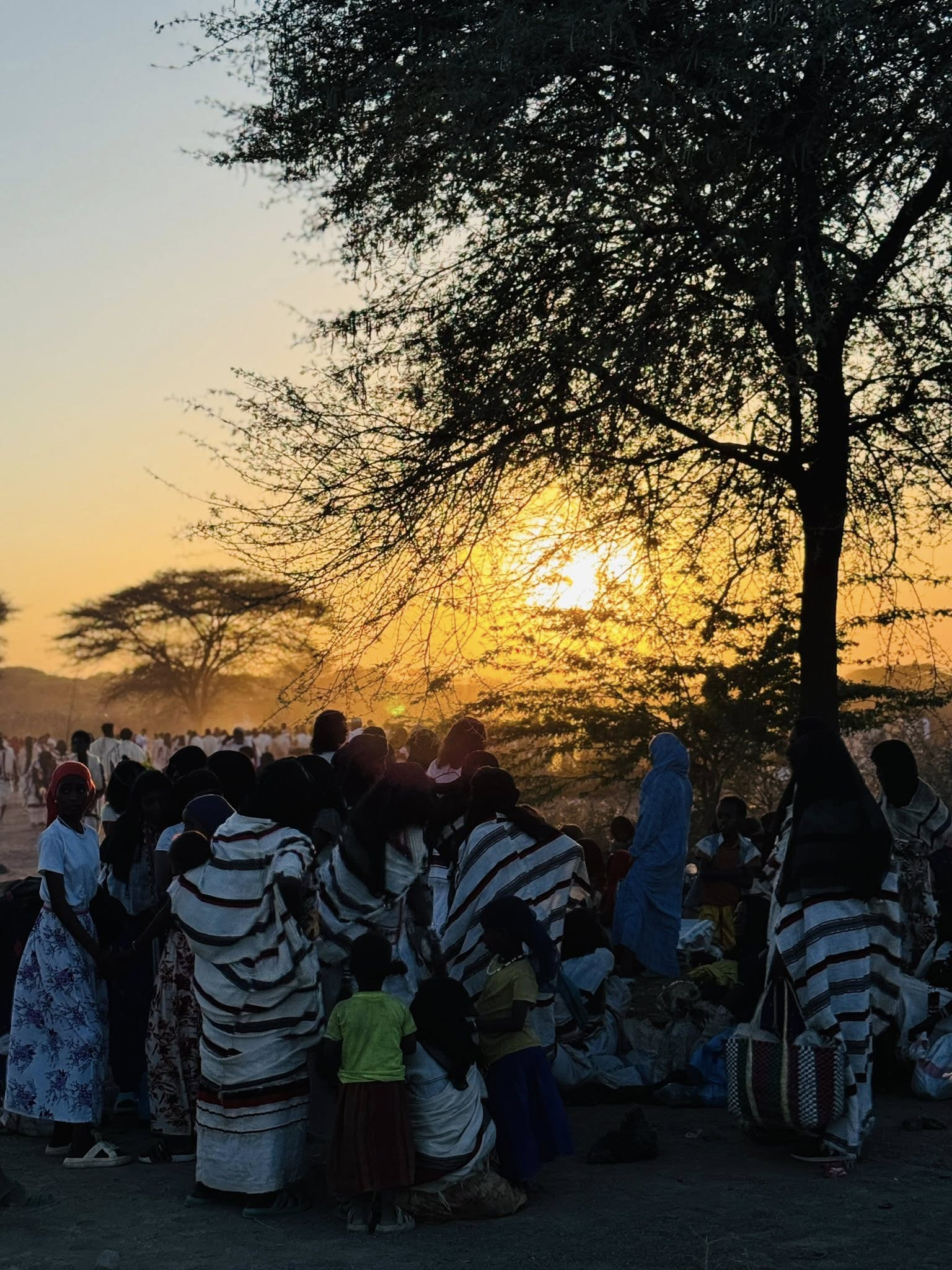
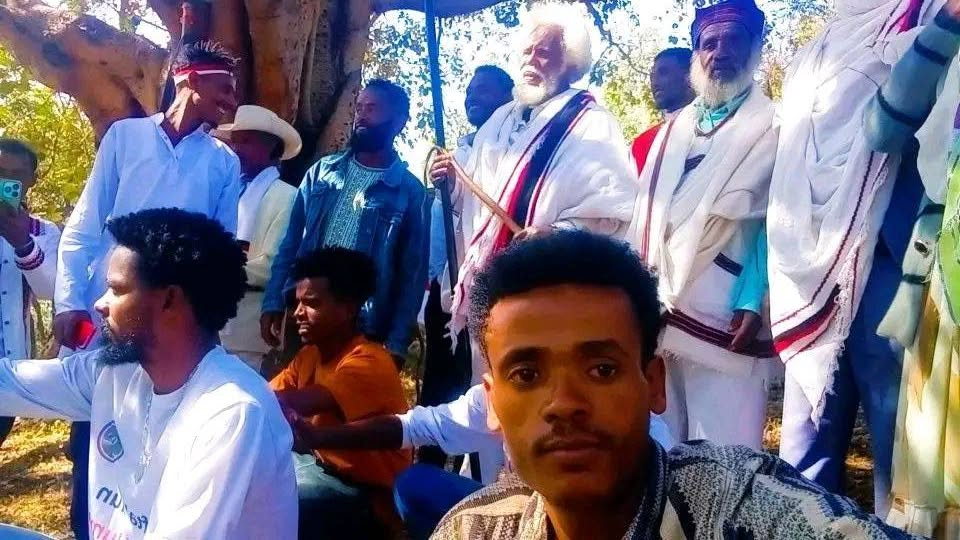
The ceremony, led by Abbaa Gadaas, elders, and community representatives, began in the pre-dawn hours, adhering strictly to the profound rituals and aesthetics of Oromo tradition. Participants gathered under the ancient trees of Ardaa Jilaa, a site long held as a seat of ancestral wisdom and collective decision-making, to reignite the principles of the Sirna Goobaa—the assembly of law, justice, and social order.

“This is not a symbolic gesture; it is a homecoming,” declared one senior elder, his voice echoing in the crisp morning air. “We are reclaiming our space, our process, and our responsibility to govern ourselves according to the laws of our forefathers and the balance of nature. The Goobaa is where our society heals, deliberates, and progresses.”
The choice of location and time is deeply significant. Tarree Leedii is historically a cornerstone of socio-political life for the Karrayyuu. By convening at dawn (ganamaa), the assembly honors the Oromo cosmological view that links the freshness of the morning with clarity, purity, and the blessing of Waaqaa (the Supreme Creator). The meticulous observance of rituals involving sacred items, chants (weeduu), and the pouring of libations underscores a commitment to authenticity and spiritual sanction.
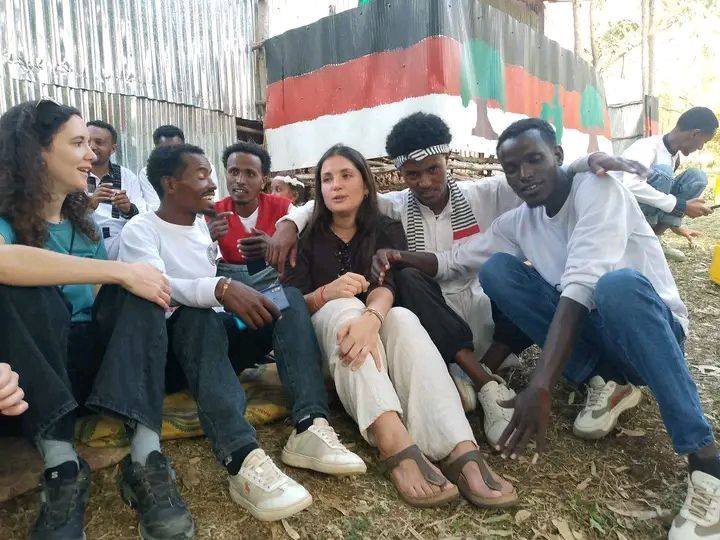
Community members, young and old, observed in reverent silence as the protocols unfolded. For many youth, it was a first-time witnessing of the full, unbroken ceremony. “To see our governance system in action, here on this land, is transformative,” said a young university student in attendance. “It connects the history we read about directly to our future. It shows our systems are alive.”
The reinstatement of the Sirna Goobaa at Ardaa Jilaa sends a resonant message beyond the borders of Fantuallee District. It represents a grassroots-driven renaissance of indigenous Oromo governance, asserting its relevance and authority in contemporary community life. It serves as a forum to address local disputes, environmental concerns, and social cohesion through the framework of Gadaa principles—Mooraa (council), Raqaa (law), and Seera (covenant).
Analysts view this move as part of a broader movement across Oromia where communities are actively revitalizing Gadaa and Waaqeffannaa institutions as pillars of cultural identity and self-determination. The successful convening at Tarree Leedii demonstrates local agency and the enduring power of these systems to mobilize and inspire.
As the sun rose over the assembly, illuminating the faces of the gathered, the event concluded with a collective affirmation for peace, justice, and unity. The revival of the Sirna Goobaa at this historic site is a dawn in every sense—a new beginning for community-led governance, a reconnection with ancestral wisdom, and a bold statement that the Gadaa of the Karrayyuu is once again in session, ready to guide its people forward.
Oromo Diaspora’s Commitment: Honoring the Liberation Struggle

In Cairo, a Distant Diaspora Keeps the Flame Alive: Commemorating the Oromo Liberation Struggle
CAIRO – In a gathering marked by solemn reflection and resilient spirit, the Oromo community in Cairo recently commemorated Oromo Liberation Army (OLA) Day on January 1, 2026. The event was more than a calendar observance; it was a powerful act of collective memory, a reaffirmation of identity, and a declaration of unwavering commitment to a cause that spans decades and continents.
The atmosphere was charged with the weight of history. As noted by Mr. Nasralla Abdu, Chairman of the Association, the day serves a dual purpose: to honor the souls of fallen freedom fighters and to fortify the resolve of those who continue the struggle. This is not mere ritual; it is the lifeblood of a diaspora movement, a vital mechanism to ensure that distance does not dilute purpose nor time erode sacrifice.
The historical anchor of the commemoration, as recounted, is crucial. The reference to the OLA’s reconstitution in 1980, following the severe challenges of the late 1970s, transforms April 1st from a simple date into a symbol of regeneration and stubborn endurance. It marks a moment when the struggle, against formidable odds, chose to persist. Celebrating this anniversary yearly, as the chairman explained, is to ritually reaffirm that same choice to persist, generation after generation.
The testimonies from attendees cut to the heart of the matter. For them, this was an “anniversary of covenant”—a renewal of the sacred promise to the struggle—and a moment of remembrance for those who paid the “ultimate price.” This language transcends politics; it enters the realm of collective oath and sacred duty. Furthermore, their powerful statement linking the ongoing sacrifice of Oromo people inside the homeland—for their identity, culture, history, and land—to the diaspora’s obligation to “stand in solidarity and fight for our people’s rights” creates a potent bridge. It connects the internal resistance with external advocacy, framing a unified struggle on two fronts.
This event in Cairo is a microcosm of a global phenomenon. It demonstrates how diasporas function as custodians of history and amplifiers of voice when direct expression at home is constrained. The careful observance in Egypt underscores that the Oromo quest for recognition, justice, and self-determination is not confined by geography. It is nurtured in community halls abroad as much as it is in the hearts of people within Oromia.
Ultimately, the commemoration was a tapestry woven with threads of grief, pride, and ironclad resolution. It acknowledged a painful past of loss and “severe circumstances,” celebrated the resilience that emerged from it, and boldly projected that spirit into an uncertain future. As long as such gatherings occur—where names are remembered, covenants renewed, and solidarity declared—the narrative of the Oromo struggle remains alive, authored not just by fighters on the ground but by communities in exile holding vigil for the dawn they believe must come.
Oromo New Year Birboo: Tradition and Unity in Waaqeffannaa Faith

Feature News: Celebrating Heritage and Harmony – Waaqeffannaa Faithful Usher in Oromo New Year 6420 at Walisoo Liiban Temple
WALISOO LIIBAN, OROMIA – In a profound celebration of cultural rebirth and spiritual unity, the Waaqeffannaa faithful gathered at the sacred Galma Amantaa (House of Worship) here on Thursday to solemnly and joyfully observe the Oromo New Year, Birboo, marking the dawn of the year 6420.
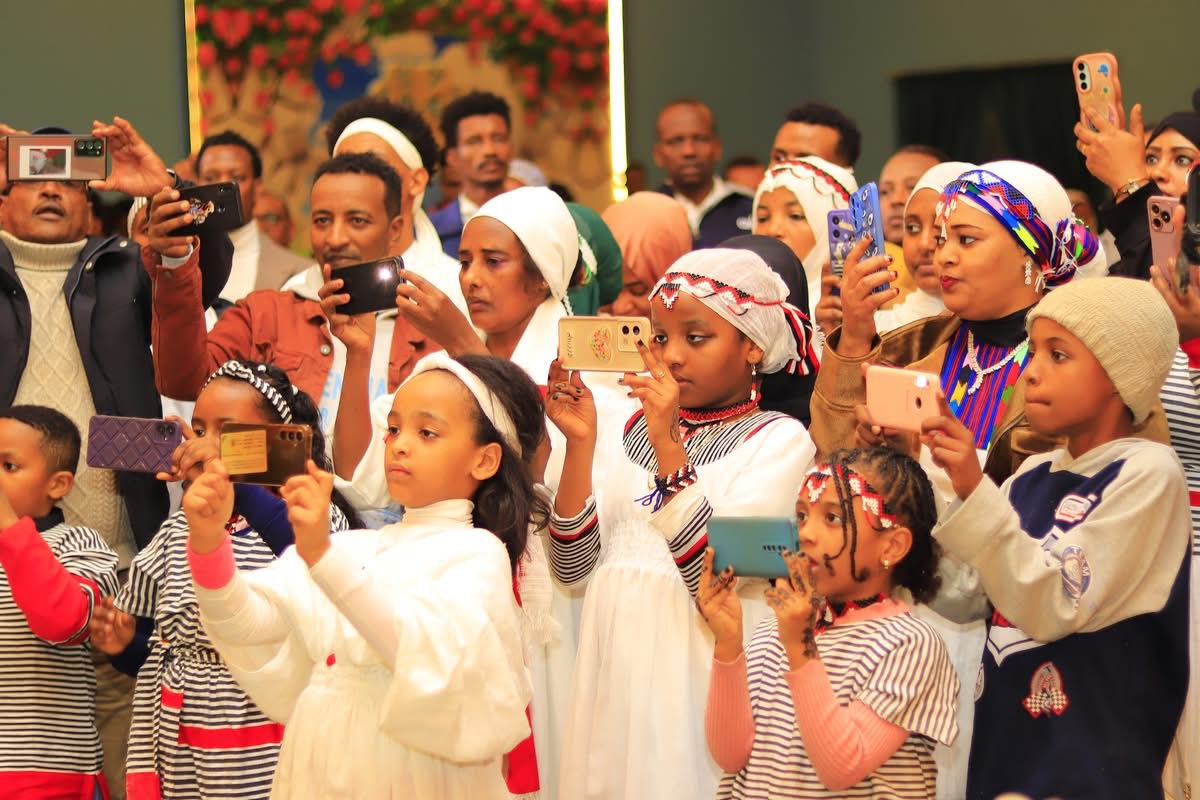
The ceremony was far more than a ritual; it was a powerful reaffirmation of an ancient identity, a prayer for peace, and a community’s declaration of continuity. Under the sacred Ficus tree (Odaa) that stands as a central pillar of the Galma, elders, families, and youth came together in a vibrant display of thanksgiving (Galata) to Waaqaa (the Supreme Creator) and reverence for nature and ancestry.
The air was thick with the fragrance of burning incense (qumbii) and the sound of traditional hymns (weeduu) as the Qalluu (spiritual leader) guided the congregation through prayers for blessing, prosperity, and, above all, peace for the coming year. The central message of the celebration, as echoed by the organizers, was a heartfelt benediction for the entire Oromo nation: “May this New Year bring you peace, love, and unity!” (Barri kun kan nagaa, jaalalaafi tokkummaa isiniif haa ta’u!).
This public and dignified observance of Birboo carries deep significance in the contemporary context of Oromia. As Ethiopia’s largest ethnic group navigates complex social and political landscapes, the celebration at Walisoo Liiban served as a potent symbol of cultural resilience.
“Observing Birboo at our Galma is not just about marking a calendar,” explained an elder attending the ceremony. “It is about remembering who we are. It is about connecting our past to our future, grounding ourselves in the values of balance, respect for all creation, and community that Waaqeffannaa teaches. In praying for peace, we are actively willing it into being for our people.”
The sight of children learning the rituals and youths actively participating underscored a vital theme: the intergenerational transmission of indigenous knowledge and spirituality. The celebration was a living classroom, ensuring that the philosophy of Safuu (moral and ethical order) and the connection to the Oromo calendar, based on sophisticated astronomical observation, are not relegated to history books but remain a vibrant part of community life.
The event concluded with a communal meal, sharing of blessings, and a collective sense of renewal. As the sun set on the first day of 6420, the message from the Galma Amantaa at Walisoo Liiban was clear and resonant. It was a declaration that the Oromo spirit, guided by its ancient covenant with Waaqaa and nature, remains unbroken, steadfastly hoping for and working towards a year—and a future—defined by nagaa (peace), jaalala (love), and tokkummaa (unity).
 Oromedia