Traditional Hookkuu Tournament Sparks Joy in Oromia

Gujii Adoolaa’s “Reeddee Ardaa Jilaa” Tournament Sparks Community Celebration and Competition
Gomboba, Oromia – In a vibrant display of community spirit and youth engagement, Gujii Adoolaa’s Reeddee Ardaa Jilaa sports tournament kicked off today in Gomboba. The event, centered around the traditional game of Hookkuu (a hockey-like sport), is drawing enthusiastic participation from across the area.
The opening ceremony was highlighted by a special match for elementary school children, adding a festive and inclusive atmosphere to the proceedings. However, the spirit of friendly competition took center stage as the tournament formally began.
The focus of the day was a decisive match officiated by Murtii Doorii Galaanaa Ciraa. In a thrilling and closely contested game, the Woddeessaa team emerged victorious, earning a commendable win on the field.
In a unique and celebratory local tradition following the match, supporters of the Daballee team, though disappointed by the loss, engaged in the customary practice of “qooxoo saaquu”—a playful and symbolic act of good-naturedly pursuing their rivals. This tradition underscores the deep-rooted cultural context of the tournament, where competition is balanced with communal bonds and customary expressions of sportsmanship.
The Reeddee Ardaa Jilaa tournament is seen as a significant event for Gomboba, promoting physical activity, preserving traditional games, and strengthening social ties within the community. The tournament is expected to continue with further matches in the coming days.
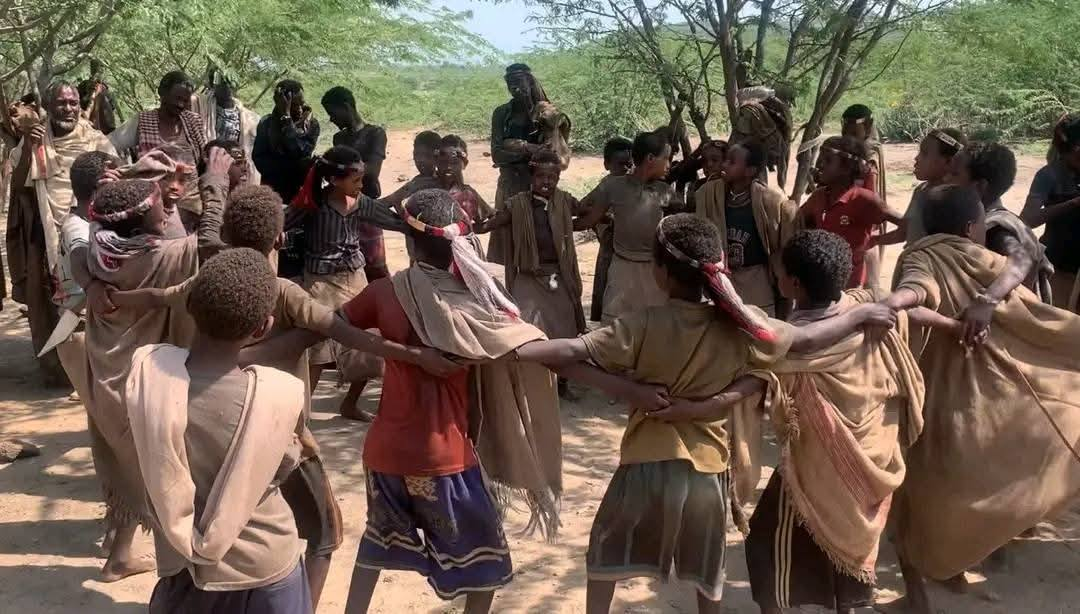
Karrayyu Community’s Sacred Ritual for Power Transition

Karrayyu Gadaa Council Prepares Historic “Buttaa Qaluun” Rite for Leadership Transition
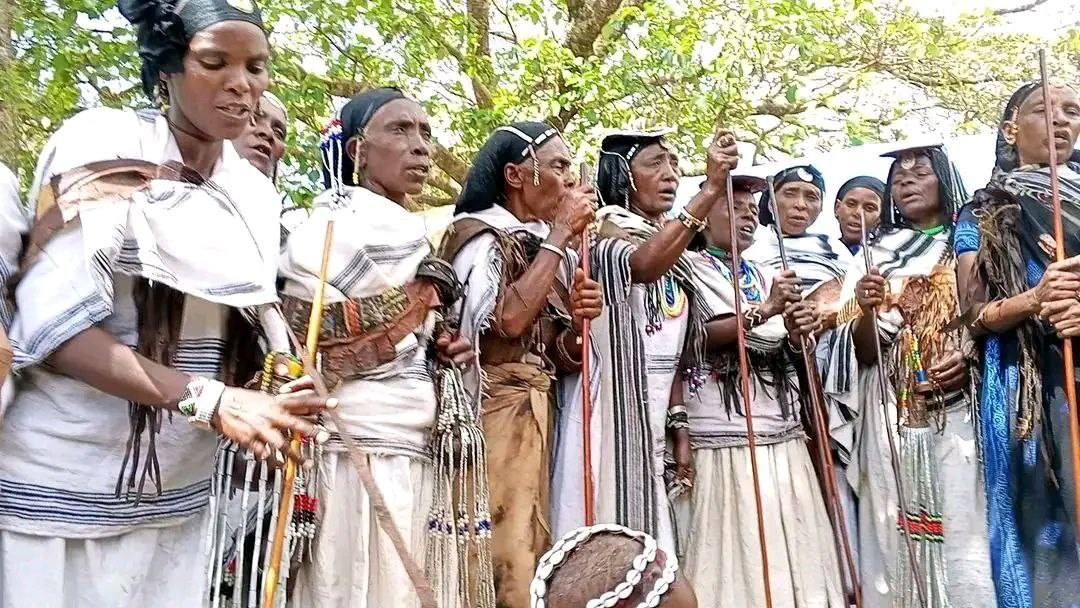
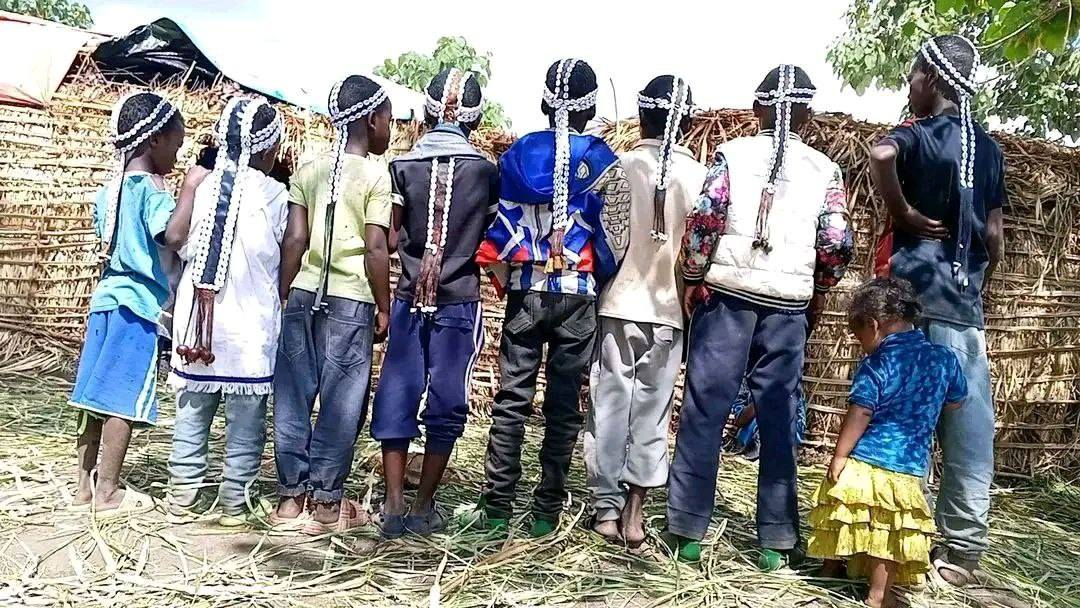
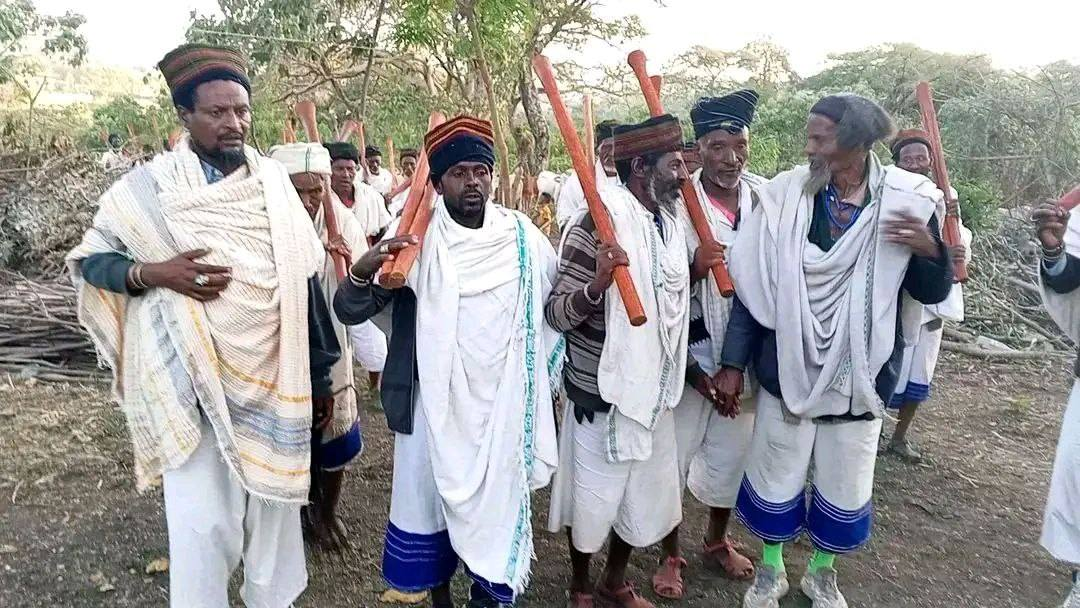
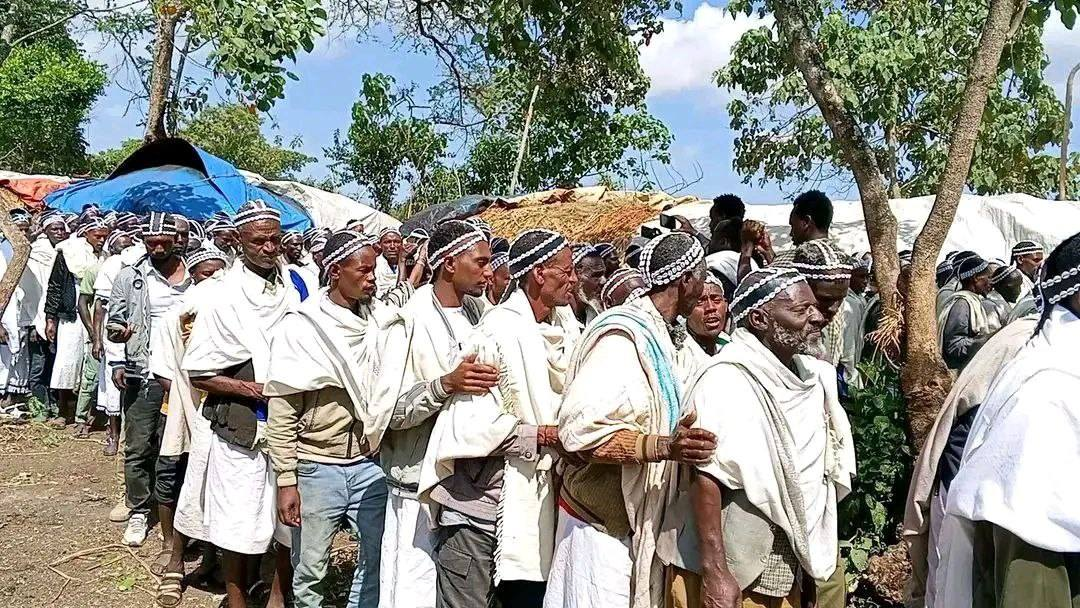
TARREE KEEDII, OROMIA — In accordance with the sacred eight-year cycles of the Oromo Gadaa system, the Karrayyu community is undertaking profound preparations for the Buttaa Qaluu ceremony—a pivotal ritual that facilitates the peaceful and systematic transfer of power from one Gadaa grade to the next.
Central to this process is the revered Baallii Gadoomaa (the scepter of Gadaa). Per Oromo law, the scepter is transferred every eight years. For the Karrayyu, the incumbent Gadaa council, having held the scepter and led the people for its designated eight-year term, is now charged with preparing the successor grade to assume power.
“The current Gadaa grade, having taken the Baallii Gadoomaa and governed for eight years, must now create the space—the Goobaa or Irreessa—for the next Gadaa set to rise,” explained a senior cultural analyst familiar with the rites. “This act of ‘giving space’ is a core constitutional principle of Gadaa, ensuring balanced, rotational, and non-hereditary leadership.”
The elaborate Buttaa Qaluu ceremony, now being organized at the sacred site of Tarree Keedii, is the formal mechanism for this transition. The term Goobaa itself encompasses the acts of vacating, clearing the path, mentoring, and imparting wisdom to the incoming leaders.
“The Karrayyu use Gadaa’s peaceful and consensual transfer of power as a model for national governance,” the analyst added. “The Goobaa demonstrates how leadership can be relinquished gracefully to ensure continuity and stability.”
Current Council Prepares the Ground
All eyes are now on the Gadaa Michillee council, the current custodians of power. Their critical preparatory duty is to receive the final blessings (Eebbaa) from the Abbaa Bokkuu (the presiding father) at their designated ritual ground (Ardaa).
Following this, they will proceed to the assembly site at Tarree Leedii to take their positions and oversee the meticulous execution of the Goobaa rituals. Their role is to ensure every sacred protocol is followed to legitimize and empower the incoming grade.
This meticulous process underscores the Gadaa system’s enduring sophistication as a indigenous system of democracy, conflict resolution, and constitutional governance. The Buttaa Qaluun ceremony is not merely a cultural event but a living enactment of a social contract that has guided the Oromo people for centuries.
The upcoming rites are expected to draw elders, scholars, and community members from across the region to witness this foundational practice of Oromo democracy in action.
# # #
About the Gadaa System:
Gadaa is the traditional, holistic social system of the Oromo people that governs political, economic, social, and religious life. It is based on an eight-year cyclical timeline, with power rotating democratically among five generational grades. In 2016, UNESCO inscribed the Gadaa system on the Representative List of the Intangible Cultural Heritage of Humanity.
Historic Launch of Borana Student Association in Ethiopia

Kenya and Ethiopia Leaders Unite for Historic Launch of Cross-Border Borana Student Association
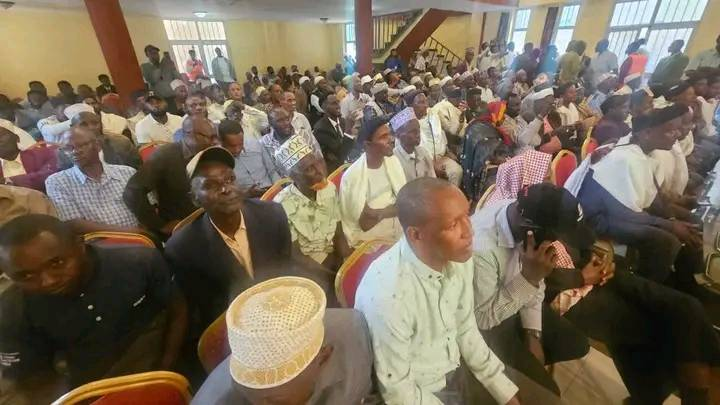
KOKET, ETHIOPIA — In a landmark event symbolizing cross-border cooperation, political, academic, and community leaders from Kenya and Ethiopia joined university students in Koket, Ethiopia, for the official inauguration of the Borana Ethiopia University Students Association (BESA).
Held under the unifying theme “Education, Empowerment, and Unity,” the launch ceremony brought together a diverse assembly of students, elders, and government officials. The forum served as a platform for critical discussions on leadership, the preservation of cultural identity, and the pivotal role of education in fostering peace and sustainable development within the Borana community and across the region.
The high-profile event underscored the initiative’s significant political and social backing, with notable attendees including:
- H.E. Abagada Guyyo Boru Guyyo (Ethiopia)
- PS Kello Harsama, Principal Secretary, The State Department for Livestock (Kenya)
- Hon. Prof. Guyo Jaldesa, Member of Parliament, Moyale Constituency (Kenya)
- Hon. Col. (Rtd) Dido Ali Rasso, Member of Parliament, Saku Constituency (Kenya)
- Sen. Mohamed Chute, Senator, Marsabit County (Kenya)
They were joined by other distinguished guests and elders from both nations, highlighting a shared commitment to the association’s goals.
The primary mission of BESA is to strengthen unity, academic collaboration, and cultural cohesion among Borana university students in Ethiopia. Organizers envision the association as a catalyst for empowering youth to become proactive leaders and change-makers, equipped to contribute to their communities’ socio-economic progress.
“This is more than a student club; it is a bridge,” said one of the founding student members. “A bridge between generations, between our campuses, and between our nations. Through BESA, we are investing in a unified future rooted in knowledge and shared purpose.”
The launch of BESA marks a proactive step in harnessing the potential of the region’s youth, emphasizing that education and collaborative spirit are fundamental pillars for lasting peace and shared prosperity in the Horn of Africa.
About BESA:
The Borana Ethiopia University Students Association (BESA) is a newly formed organization dedicated to uniting Borana university students across Ethiopia. Its core objectives include promoting academic excellence, cultural exchange, leadership development, and community service, with a vision to nurture a generation of empowered and socially responsible leaders.
5 Pillars of Catalytic Leadership: A Human-Centered Approach

The Spark, Not The Sun: Reimagining Leadership as a Catalyst
We have inherited a myth of leadership. It’s the image of the lone visionary on the stage, the charismatic figure with all the answers, the unshakeable confidence that commands a room. This model is seductive. It’s also outdated, exhausting, and ultimately, a limitation.
True leadership is not about being the most luminous object in the solar system. It is, instead, about understanding physics: how to create the conditions for fusion. Real leadership is not about radiating light, but about becoming a catalyst—an element that accelerates transformation in others without being consumed by the process itself.
This catalytic model requires a fundamental shift from self-centered authority to human-centered architecture. It moves away from the question “How do I look?” and toward the question “How do I make this space work?”
The Catalytic Capacity: Five Pillars of a New Model
A catalyst doesn’t participate in the final product; it enables the reaction. Similarly, catalytic leadership is defined by a specific, others-focused capacity:
- The Recognition of Potential: It begins with a generous eye—the ability to see the latent skill, the quiet insight, or the unspoken courage in someone else, often before they see it in themselves. This is not about finding clones, but about appreciating diverse forms of brilliance.
- The Creation of Safe Conditions: Potential is fragile. It wilts under the glare of judgment and micromanagement. The catalytic leader’s primary work is to engineer an environment of psychological safety—where risk-taking is protected, where “I don’t know” is a permitted phrase, and where failure is treated as data, not disgrace.
- The Art of Guiding Without Overshadowing: This is the delicate balance of providing direction without imposing a shadow. It’s offering a compass, not drawing the entire map. It’s asking “What path do you see?” more often than declaring “Here is the path.”
- The Discipline of Supporting Without Controlling: Support empowers; control infantilizes. The catalytic leader provides resources, removes roadblocks, and offers a steady hand, but resists the impulse to take the wheel. Their goal is to build the other person’s agency, not their own dependency.
- Holding the Emotional Space: Perhaps the most profound role is that of an emotional container. Growth is emotionally turbulent. Catalytic leaders hold steady, absorbing uncertainty and anxiety to create a stable space where others can process fear, frustration, and exhilaration without being overwhelmed.
The Shift: When Leaders Stop Performing and Start Facilitating
When a leader makes this transition—from striving to be the light to committing to spark it—a tangible energy shift occurs. The atmosphere of a team or organization transforms.
- Courage Replaces Caution: When safety is assured, people stop editing their ideas and start championing them. They debate vigorously, not because they are defensive, but because they are invested.
- Culture Gains Stability: A culture built on one person’s charisma is brittle. A culture built on widespread ownership and mutual respect is resilient. It survives market shifts and leadership transitions because it is woven into the fabric of the collective.
- Contribution Becomes Confident: People no longer contribute to please an authority figure or to avoid blame. They contribute from a place of genuine stakeholdership, knowing their unique spark is both seen and needed.
- Leadership Becomes a Shared Energy: Leadership detaches from title and becomes a behavior, a mode of operating that anyone can adopt. It circulates. The person with the formal title may be the primary catalyst, but soon, team members begin to catalyze growth in each other. Leadership becomes renewable energy.
The Human-Centered Future
The grandstanding, all-knowing leader is a relic of a top-down, industrial age. The complex, interconnected challenges of our time—in business, community, and society—cannot be solved by a single brain, no matter how brilliant. They require the collective intelligence, creativity, and commitment of many.
The future of leadership is therefore not self-centered. It is human-centered. It is measured not by the leader’s personal output, but by the growth and output they unlock in others. It is a practice of humility, service, and profound belief in human potential.
It asks a leader to be confident enough to be quiet, secure enough to be unseen in the moment of someone else’s triumph, and wise enough to know that the true legacy is not a list of their own accomplishments, but a thriving ecosystem of leaders they helped ignite.
The ultimate success of a catalyst is revealed in the vibrant, self-sustaining reaction that continues long after it has left the chamber. The ultimate success of a leader is a team, a community, or an organization that shines brightly on its own, knowing how to generate its own light.
 Oromedia