The Sacred Fire Burns Anew: Karrayyu Ushers in a New Gadaa Generation

By Maatii Sabaa
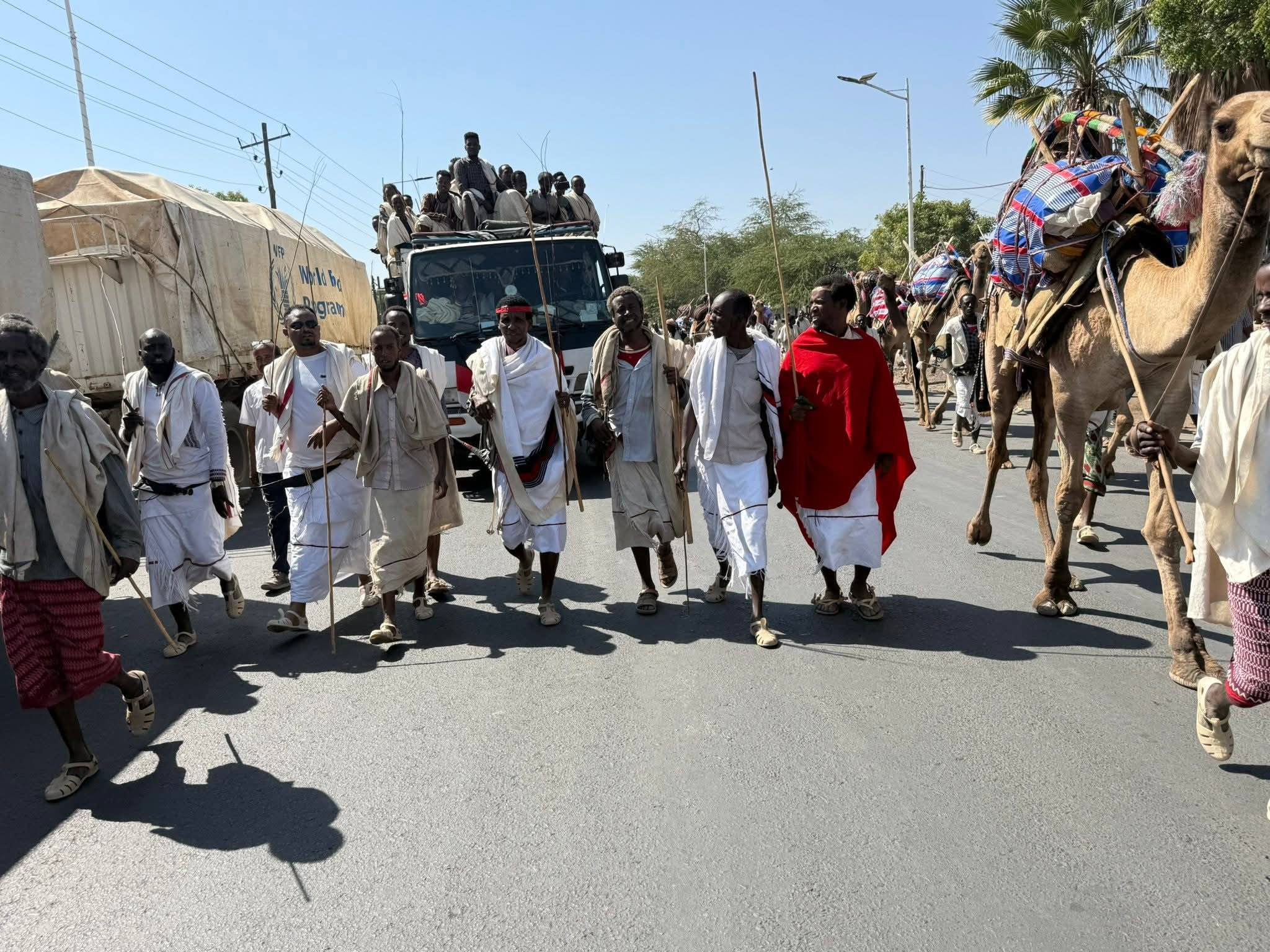
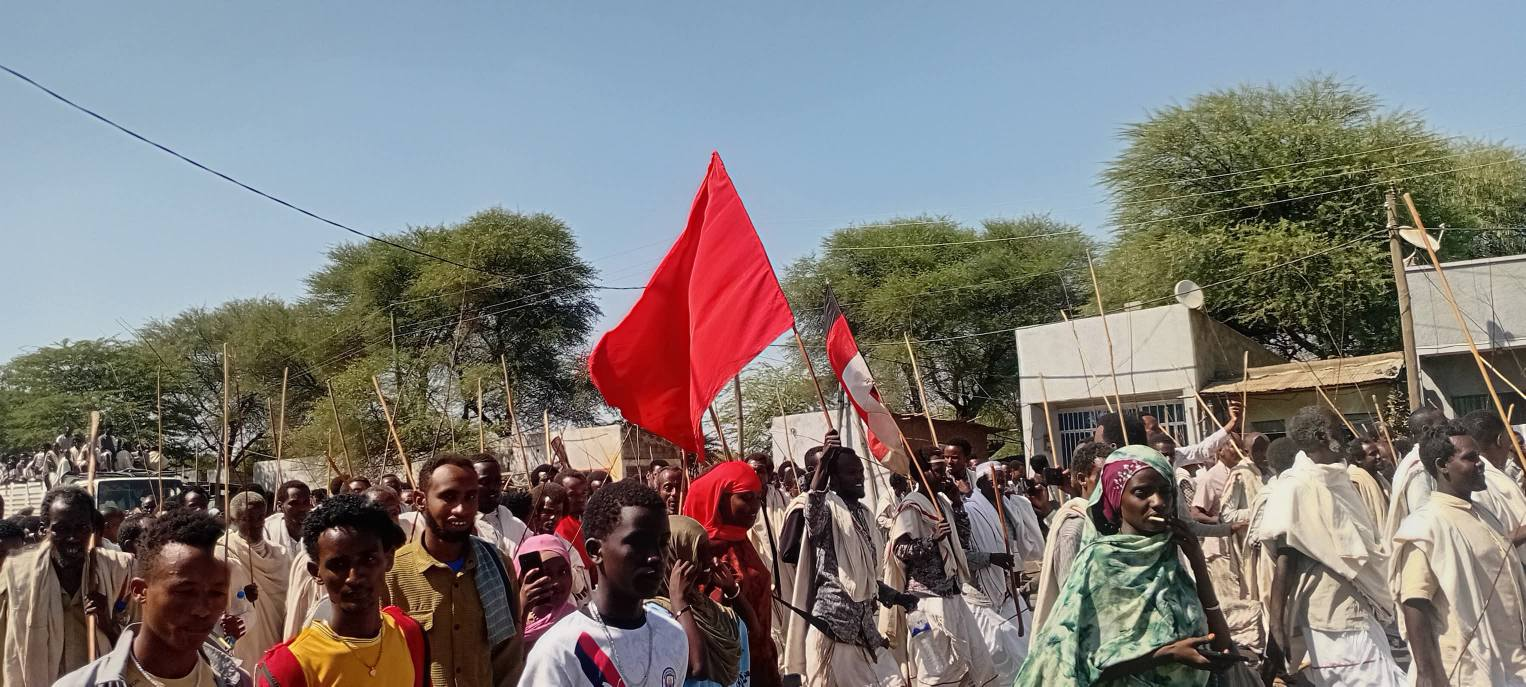
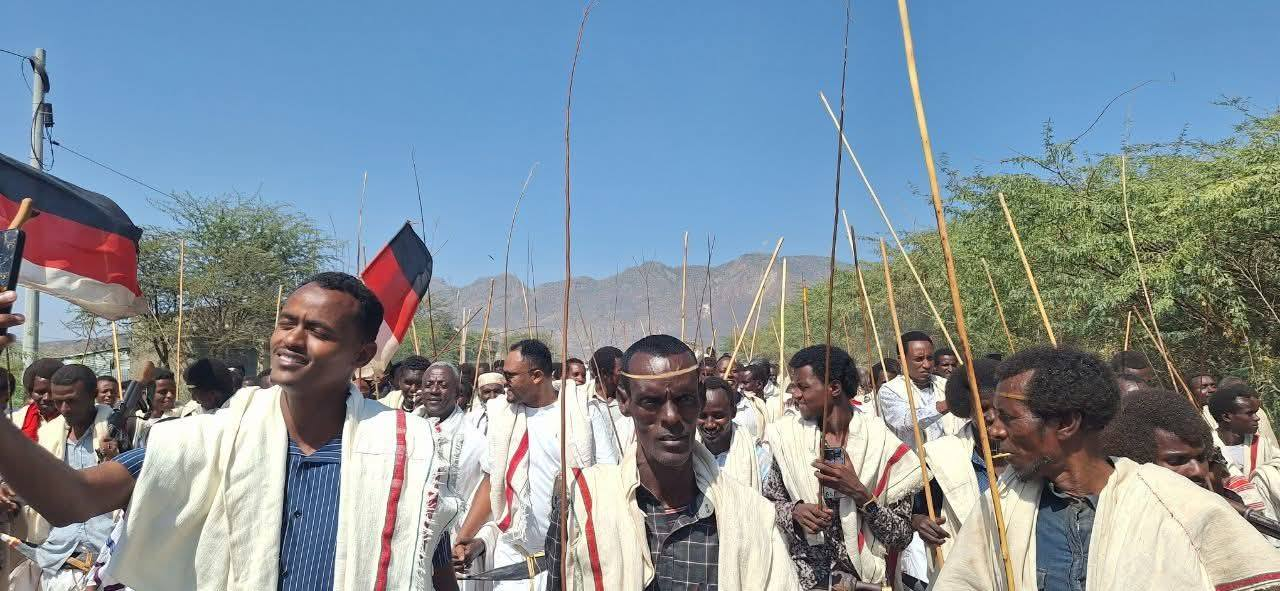
Oromia, Ethiopia – A profound spiritual and cultural renewal is unfolding in the heart of Oromia. The Karrayyu Oromo, renowned custodians of a deeply traditional way of life, have ignited the sacred Jila fire, signaling the commencement of a momentous transition. The declaration echoes across the community: “Karrayyuun Jilaaf bobba’a jira..!!” – “The Karrayyu have lit the Jila!” This flame is not just physical; it is a beacon of identity, continuity, and the living pulse of the Gadaa system.
The Karrayyu have officially entered a sacred preparatory phase, initiating the complex, multi-year rituals to install a new Gadaa assembly, known as the Michillee. In a ceremony of great solemnity, the Abba Gadas—the ritual leaders—have formally designated the Tarree Leedii as the upcoming Gadaa class to assume leadership. This act, performed alongside five existing Gadaa sets, is a masterstroke of long-term democratic planning, scheduling leadership transitions for generations yet unborn.
“The Gadaa is our constitution, our school, and our soul,” explained one elder, his eyes reflecting the ceremonial fire. “By naming the Tarree Leedii today, we are not just planning for eight years; we are securing the wisdom and order of our society for 80 years ahead.”
A Ten-Day Tapestry of Tradition
The official inauguration of this transfer process began ten days ago, launching a meticulously orchestrated series of preparations. The community has been immersed in rituals, spiritual cleansings, and assemblies designed to purify the participants and sanctify the proceedings. These days are a vibrant tapestry of oratory, prayer, and the passing of sacred knowledge from one generation to the next.
The culmination is set for the 26th and 27th of Muddee (approximately early December). On these sacred days, the Karrayyu will perform the grand ceremony of Buttaa Qalaa, the 75th ritual stage within the Gadaa cycle specifically dedicated to the Tarree Leedii. This is the pivotal moment where symbolic authority and immense responsibility begin their formal passage.
An Open Invitation to a Sacred Trust
In a powerful move that underscores the inclusivity at the heart of Oromo identity, the Abba Gadaa of the Karrayyu has extended an open invitation. “The Cidha Buttaa Qalaa of the Karrayyu Gadaa will be open to all who come,” they announced. With profound respect, they have called upon the entire Oromo nation, from every region and walk of life, to witness and partake in this national heritage.
This invitation is more than a courtesy; it is a call to collective remembrance and unity. It is an opportunity for Oromos worldwide to connect with the ancient democratic and spiritual roots that bind them, to see the living Gadaa—a system UNESCO recognizes as an Intangible Cultural Heritage of Humanity—in its most authentic and dynamic form.
As the Jila fire burns brightly in Karrayyu territory, its light reaches far beyond the ceremonial ground. It illuminates the resilience of a people fiercely protecting their worldview. It signals the unwavering commitment to govern through a system built on cyclic accountability, environmental stewardship, and social justice. The lighting of the fire is just the beginning. The world is now watching, invited to witness a civilization ensuring its own future by honoring the sacred cycles of its past.
Homecoming of a Pioneer: The Return of Oromia’s First President

By Daandii Oromia
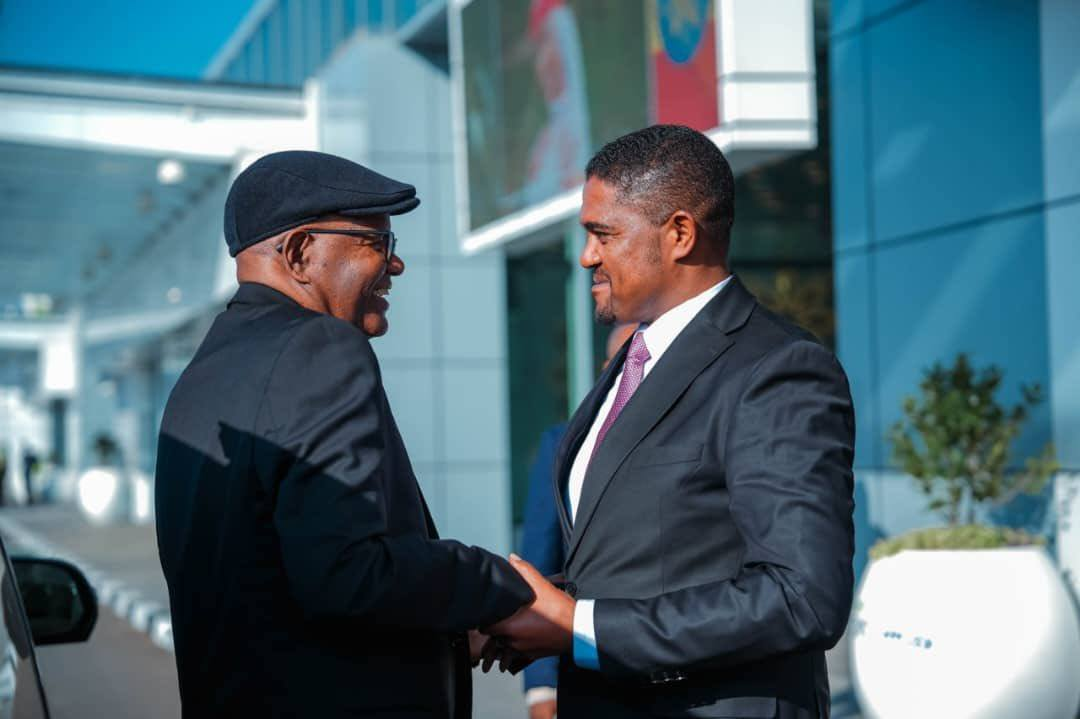
Addis Ababa, Ethiopia — In a moment laden with history and emotion, the first President of the Oromia Regional State, Honorable Mr. Hassan Ali, has returned to his homeland, ending nearly three decades of exile. His arrival marks more than a personal journey; it represents a symbolic closing of a long chapter and a deliberate gesture of reconciliation by the current Oromia leadership.
The official welcome, extended by the sitting President of Oromia, Mr. Shimelis Abdisa, was framed not just in political terms, but in the language of profound respect and historical acknowledgment. “It is with the utmost respect that I welcome Mr. Hassan Ali home with his family after nearly three decades,” President Abdisa stated, setting a tone of deference to a foundational figure of the region’s modern autonomy.

The Architect Returns
Mr. Hassan Ali’s presidency in the 1990s came during a formative and volatile period, following the adoption of Ethiopia’s ethnic federalist constitution. He and his contemporaries were tasked with the monumental challenge of building the nascent Oromia Regional State from the ground up—establishing its institutions, defining its administrative contours, and navigating the complex politics of a post-Derg Ethiopia.
In his remarks, President Abdisa explicitly honored this legacy. “They are the pioneers who laid the foundation for the Oromia Regional State to reach this level,” he said. This recognition serves as a formal validation of the struggles and efforts of the region’s early architects, whose work has often been overshadowed by subsequent political turmoil and exile.

“To See the Government He Established”
Perhaps the most poignant element of President Abdisa’s welcome was his focus on the personal significance of this return for Mr. Hassan Ali. “I want to congratulate him today not only on his safe return home with his families; for being able to see the government he established,” Abdisa noted.
For a leader who departed in the early days of the institution he helped create, this return offers a tangible, living assessment of that foundational work. It is an opportunity to witness the evolution of the state structure he pioneered, now led by a new generation. President Abdisa emphasized the resilience of that foundation: “He not only endures all pressures but also strengthen and expand to serve the people he fought for at the home level.”
A Commitment to Broader Reconciliation
Beyond the personal welcome, the current President used the occasion to make a significant policy-oriented declaration, signaling a potential shift toward greater inclusivity. “On behalf of myself and the Oromia Regional Government, I would like to thank them for their roles at all levels and for their services,” he said, offering official gratitude.
He then extended an olive branch that resonated far beyond the single homecoming: “I would like to take this opportunity to confirm that the Oromia Regional State Government is committed to bringing the children of the people who have been away for various reasons back home according to our ancient traditions.”
This statement frames reconciliation not merely as a political process, but as a cultural and social one, rooted in Oromo traditions of conflict resolution and homecoming (Gumaa and Araara). It proposes a pathway for the return of other exiled figures and diaspora communities, suggesting a future where Oromia’s governance is informed by a wider, more diverse set of its native sons and daughters.
A Symbol for the Future
The return of President Hassan Ali, facilitated by the sitting administration, is a powerful symbol. It bridges historical divides, acknowledges foundational contributions, and tests the waters for broader national dialogue. While the long-term political implications remain to be seen, the event itself has been successfully cast as an act of statesmanship and historical unity.
As Mr. Hassan Ali reacquaints himself with a homeland transformed, his presence invites reflection on Oromia’s journey—from the struggle for self-administration to the complex realities of exercising it. His homecoming, wrapped in official honor and traditional promise, may well be remembered as a pivotal moment in the region’s ongoing story of governance, identity, and reconciliation.

 Oromedia