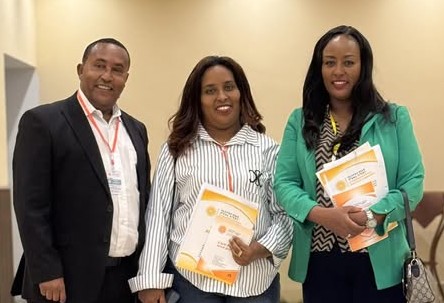
In a country like Ethiopia, which is built on a masculine culture, it is very rare to find women who are brave enough to fight for their rights and the rights of others. It is encouraging to see the likes of Aster Badhaanee and Masarat Dhaabaa in such a situation. It is not easy to believe in yourself and advance the position you believe in.
Absolutely. In societies with deeply rooted masculine cultures, women who stand up for their rights—and the rights of others—often face immense challenges, including social stigma, systemic barriers, and even personal risk. Figures like Aster Badhaanee and Masarat Dhaabaa (assuming these are symbolic or representative names, as they don’t correspond to widely known public figures in Ethiopia) embody the courage and resilience required to challenge oppressive norms.
Why Their Efforts Matter:
- Breaking Stereotypes – In patriarchal societies, women are often expected to conform to passive or submissive roles. Those who defy these expectations pave the way for future generations.
- Inspiring Others – When one woman takes a stand, it encourages others to do the same, creating a ripple effect of empowerment.
- Driving Systemic Change – True progress happens when individuals challenge unjust laws, traditions, and cultural norms. Women’s rights activists often push for legal reforms, education access, and economic opportunities.
- Mental & Emotional Strength – Believing in oneself despite constant pushback requires extraordinary determination. These women exemplify inner strength.
Challenges They Face:
- Backlash – From traditionalists who see gender equality as a threat.
- Limited Support – Lack of institutional backing or funding for women-led movements.
- Safety Risks – Activism can lead to harassment, violence, or imprisonment in some cases.
Moving Forward:
- Amplifying Voices – Supporting and sharing the stories of brave women in Ethiopia and beyond.
- Solidarity – Men and women must work together to dismantle harmful gender norms.
- Policy Advocacy – Ensuring legal protections for women’s rights activists.
Women like Aster and Masarat (whether real or symbolic) remind us that change is possible, even in the toughest environments. Their bravery is a beacon of hope for gender equality in Ethiopia and similar societies.
A beacon of hope for gender equality in Ethiopia
Ethiopia has a rich history of strong women who have fought for justice, equality, and human rights—despite the challenges of a patriarchal society. Today, several Ethiopian women activists and movements are making significant impacts in politics, gender equality, media, and social justice. Here are some notable figures and groups:
**1. ** Meaza Ashenafi
- Role: First female Chief Justice of Ethiopia’s Federal Supreme Court (2018–2023), women’s rights lawyer.
- Contributions:
- Founded the Ethiopian Women Lawyers Association (EWLA), which provides free legal aid to women and advocates for gender-sensitive laws.
- Played a key role in drafting Ethiopia’s reformed family law, which raised the legal marriage age and strengthened women’s property rights.
- Impact: Her work has helped countless women escape abusive marriages, secure child support, and fight workplace discrimination.
**2. ** Birtukan Mideksa
- Role: Former judge, political leader, and chairperson of the National Election Board of Ethiopia (NEBE) (2018–2023).
- Contributions:
- Advocated for democratic reforms and fair elections.
- Survived imprisonment (2005–2007, 2008–2010) for her opposition activism.
- Impact: She brought credibility to Ethiopia’s electoral process and inspired women in politics.
**3. ** Sehin Teferra
- Role: Feminist activist and co-founder of Setaweet, Ethiopia’s first feminist movement.
- Contributions:
- Setaweet (meaning “womanism”) challenges gender norms through research, advocacy, and public campaigns.
- Focuses on issues like sexual harassment, domestic violence, and women’s economic empowerment.
- Impact: Sparked national conversations on feminism and pushed for policy changes on gender-based violence.
**4. ** Mahlet Hailu (Mahlet Fikresilassie)
- Role: Digital rights activist and co-founder of Zega Women, a platform for women in tech.
- Contributions:
- Advocates for internet freedom and women’s digital inclusion.
- Fights against online harassment of women.
- Impact: Empowers young Ethiopian women in STEM and digital activism.
**5. ** Tsion Aklilu
- Role: Disability rights activist and founder of Menschen für Menschen’s Inclusive Education Program.
- Contributions:
- Works to ensure education access for girls with disabilities.
- Challenges societal stigma against disabled women.
- Impact: Helps marginalized girls gain education and economic independence.
**6. ** Women’s Movements & Collectives
- Yellow Movement (Addis Ababa University): A student-led feminist group advocating against gender-based violence.
- Network of Ethiopian Women’s Associations (NEWA): Umbrella organization pushing for policy reforms.
- Taitu Women’s Café & Cultural Center: A safe space for women artists, entrepreneurs, and activists.
Challenges They Face:
- Backlash from traditionalists (e.g., online smear campaigns, threats).
- Limited funding for women-led NGOs.
- Legal & bureaucratic hurdles in registering feminist organizations.
Why Their Work Matters:
These women are not just activists—they are shapers of a new Ethiopia, where gender equality becomes a reality rather than an aspiration. Their courage in the face of adversity is transforming laws, mindsets, and opportunities for future generations.
 Oromedia