Reviving the Gada System: A Cultural Heritage Initiative
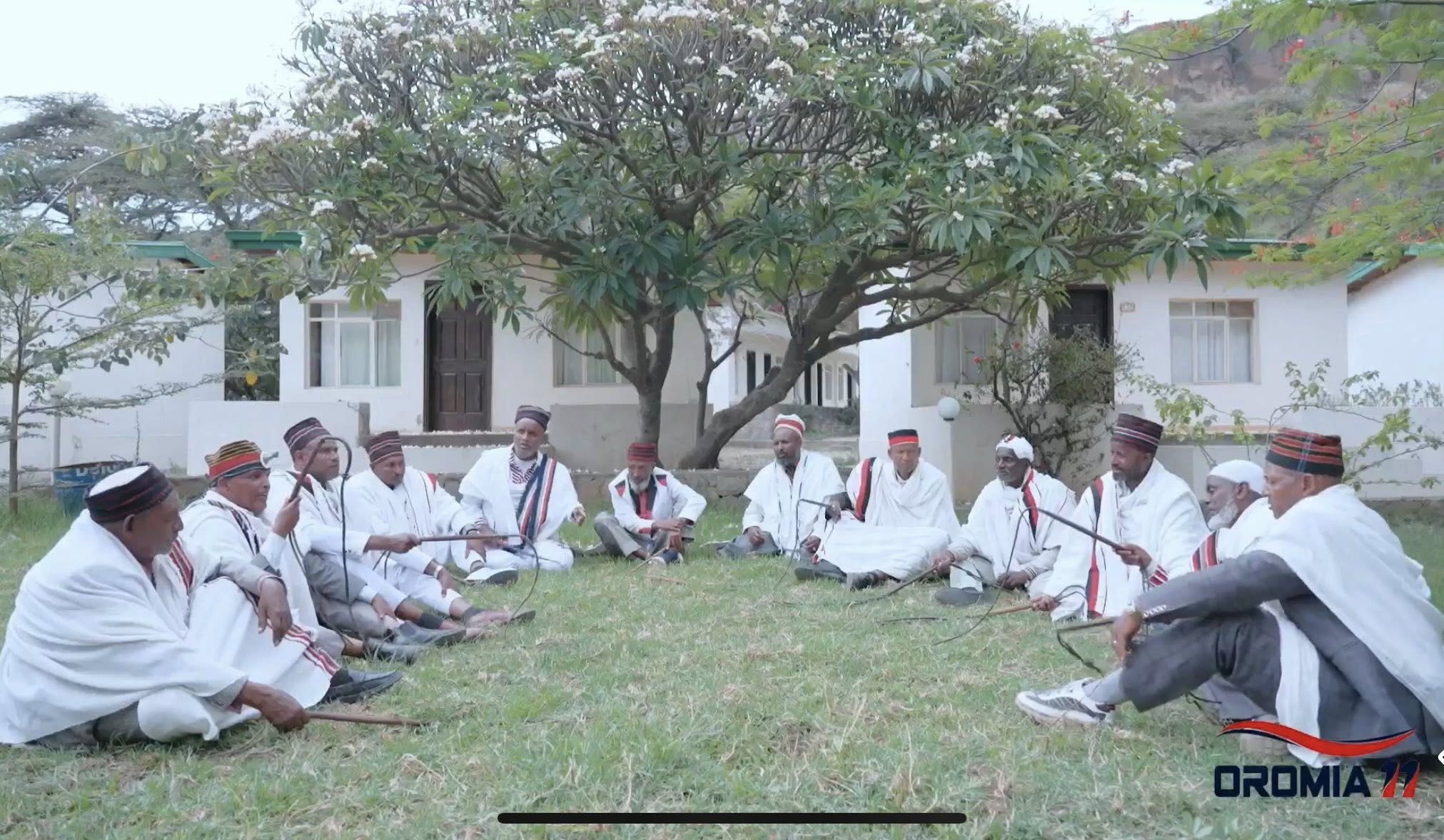
The Sikkoo-Mandoo Conference represents a significant effort to revitalize the **Gada system**, a cornerstone of Oromo cultural and political heritage, which faced suppression during the mid-20th century under Ethiopian regimes. Here’s a structured breakdown of the context, significance, and implications:
—
1. The Gada System: Historical Overview
– What is Gada?
The Gada system is a traditional **democratic governance system** practiced by the Oromo people for centuries. It organizes society into age-based cohorts (*gogessa*), with leadership rotating every 8 years. Key principles include accountability, consensus-building, and environmental stewardship.
– Cultural Significance:
Beyond governance, Gada encompasses Oromo spirituality, conflict resolution, and social identity, recognized by UNESCO as an Intangible Cultural Heritage of Humanity in 2016.
—
2. Suppression in the 1940s
– Ethiopian Centralization:
Under Emperor Haile Selassie (ruled 1930–1974), Ethiopia pursued centralization policies that marginalized ethnic identities and traditional systems like Gada. The regime promoted Amhara-centric culture and governance, leading to the erosion of Oromo institutions.
– Impact:
Gada was suppressed through land reforms (*gulma*), bans on Oromo language (Afaan Oromoo), and dismantling of indigenous leadership structures. By the 1940s, the system became largely dormant, though preserved orally in rural communities.
—
3. The Sikkoo-Mandoo Conference: Revival Efforts
– Purpose:
The conference aims to **reclaim Oromo identity** by restoring Gada’s role in modern governance and cultural practices. It reflects broader Oromo activism for self-determination and cultural preservation.
– Key Themes:
– Reintegrating Gada principles (e.g., rotational leadership, environmental ethics) into contemporary governance.
– Addressing historical marginalization through education and language revitalization.
– Leveraging Gada as a framework for **conflict resolution** amid Ethiopia’s ethnic tensions.
—
4. Challenges and Opportunities
– Political Context:
Ethiopia’s federal system allows ethnic regions autonomy, but tensions persist between central authority and ethnic nationalism. The Abiy Ahmed government (2018–present), while Oromo-led, faces criticism over balancing unity and ethnic rights.
– Obstacles:
– Modernization and urbanization eroding traditional practices.
– Skepticism from younger generations or those favoring Western-style democracy.
– Potential clashes with Ethiopia’s legal and political frameworks.
– Opportunities:
– Strengthening community cohesion and cultural pride.
– Offering alternative models of participatory democracy and sustainability.
—
5. Broader Implications
– Cultural Renaissance:
The revival is part of a pan-Oromo movement seen in events like Irreecha (thanksgiving festival) and the resurgence of Afaan Oromoo in media/education.
– Ethiopian Federalism:
Success could inspire other ethnic groups to reclaim traditions, testing Ethiopia’s commitment to multicultural federalism. Conversely, it may fuel centralist fears of fragmentation.
Conclusion
The Sikkoo-Mandoo Conference symbolizes the Oromo people’s resilience in reclaiming their heritage. While challenges remain, the Gada revival intersects with global movements for indigenous rights and decolonization, offering lessons in balancing tradition with modernity. Its success may depend on dialogue with Ethiopia’s government and integration into broader national frameworks.
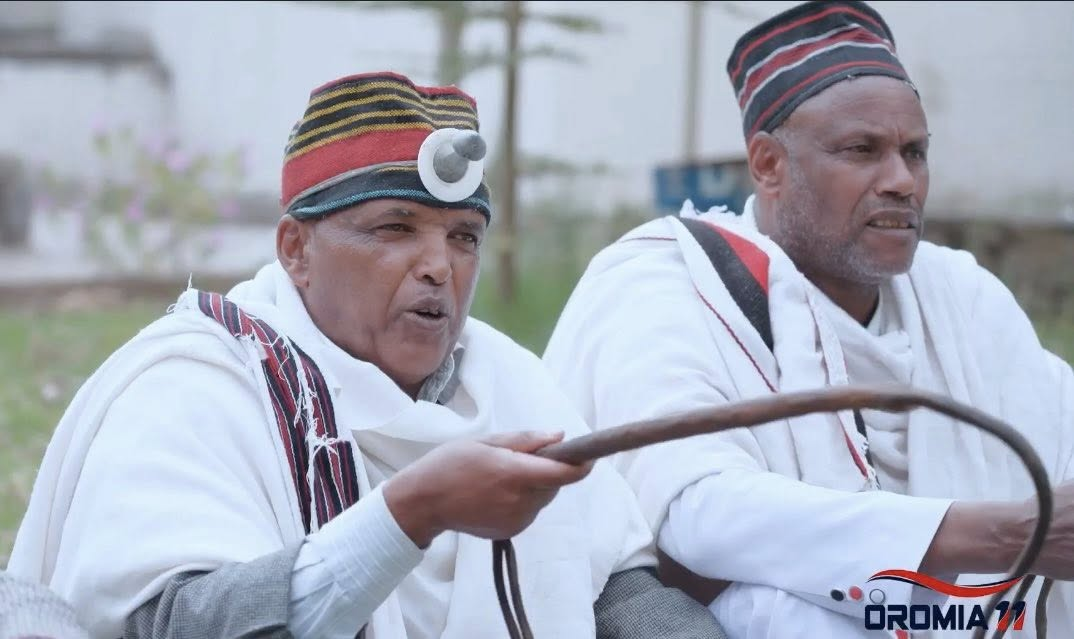
 Oromedia