The Goal is Deeper Than the Net: How a Kora Lammii—a community pitch Match Rekindles a Nation’s Soul
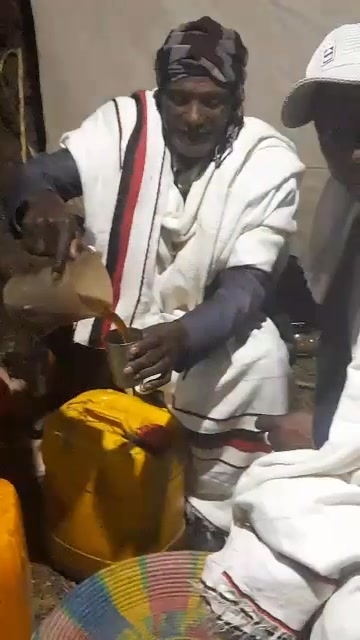
Subtitle: In Ambo Ejersa, the beautiful kora lammii—a community pitch Becomes a Classroom for Culture, Proving That Our Strongest Defence is Unity
The scene is familiar—a dusty pitch, the sharp cry of a whistle, the unified gasp of a crowd as a ball soars toward the goal. But in the Boji area of Ambo, the familiar scene is telling a profoundly unfamiliar, and more beautiful, story. Here, the Ambo Ejersa Community gathering has become something far greater than a community gathering. It has transformed into a living, breathing symposium on survival.
Kora Lammii of Buundhaa from Itaya, Ambo, Meti, Machi, Wadesse, and Shanen did not just come to compete. They came to convene. In a world where fragmentation is often the default, these generation chose convergence. They built a kora lammii—a community pitch—and upon it, they are rebuilding a community spirit. The real match is not just between teams; it is a collective struggle against the erosion of identity. The victory they seek is the preservation of their cultural soul: aadaa and safuu.
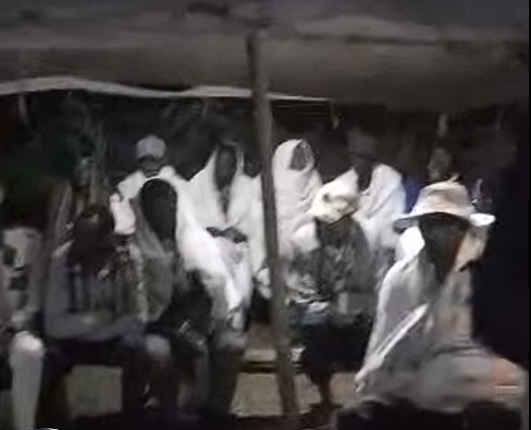
This is the quiet, revolutionary power of what is happening. In the breaks between matches, in the shade of Odaa tree, the kora lammii gathering organically spawns marii boonsaa—deep, communal dialogues. These are not academic lectures, but urgent, grassroots consultations. How do we practice respect (safuu) in a digital age? How do we wear our culture (aadaa) not as a costume for holidays, but as daily armour against assimilation? The gathering is the ignition; the conversation is the sustainable fire.
What these young people in Boji instinctively understand is a truth many societies grapple with: culture is not a museum artifact. It is a muscle. It atrophies without use. It strengthens under collective strain. By using the universal language of community gathering to strengthening the dispersed chapters of their community, they are creating a gymnasium for their Oromumma. They are exercising their shared identity, passing the weight of tradition from elder to youth, ensuring it does not grow weak.
The palpable joy reported by participants—“waan haalan nama gammachisuu dha” (it is something that brings deep joy)—is the most important metric here. This joy is not merely the thrill of sport. It is the profound relief and empowerment that comes from reconnection. It is the joy of speaking your mother tongue freely in a crowd that understands its nuance. It is the joy of seeing your values reflected in the conduct of your peers—in a fair tackle on the field, in the respectful deference to an elder off it.
In an era where globalized culture often flattens uniqueness, the Ambo Ejersa Buundhaa gathering is an act of gentle defiance. It declares that the future need not be a departure from the past, but a continuation of it, adapted on our own terms. These players are not running away from their heritage to chase modernity; they are sprinting toward a future where their heritage is the foundation of their strength.
The commentary from the sidelines, therefore, should be one of keen observation and high praise. This is grassroots cultural innovation at its finest. The kora lammii gathering is proof that the most effective guardians of a people’s spirit are not always politicians or institutions, but can be its youth, a ball, and a collective will to remember. They have remembered that the most crucial goal to defend is the one protecting their very essence. And in that defense, they are finding not just victory, but a deep and abiding joy.
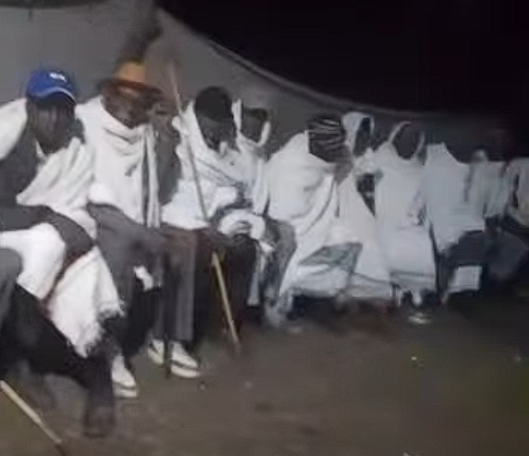
 Oromedia