A Legacy in Melody – Dirre Dhawaa University to Establish Dr. Alii Birraa Music School

DIRRE DHAWAA, OROMIA – In a move set to transform the cultural and academic landscape of eastern Oromia, Dirre Dhawaa University has announced the foundation of a new institution dedicated to musical excellence: the Dr. Alii Birraa Memorial Music School.
The university made the formal announcement via its official Facebook page, outlining plans to establish the school in the legendary artist’s hometown. This initiative is not just about building a structure, but about rooting a center of artistic excellence in the very soil that inspired one of Ethiopia’s most cherished musical voices.
Bridging Institutions for a Harmonious Future
The project is already hitting the right notes through a powerful collaboration. Experts and lecturers from the renowned Yared Music School at Addis Ababa University are providing crucial initial support. According to the university, these seasoned academics are traveling to Dirre Dhawaa to share their expertise, helping to design curricula and establish foundational frameworks. This knowledge transfer represents a significant vote of confidence and a bridge between the nation’s premier music academy and this promising new venture.
A key driving force behind this collaborative spirit is Dr. Malaaku Yigzaw, Dean of the Yared Music School. The university confirmed that Dr. Malaaku has formally pledged his institution’s full professional support to ensure the successful establishment of the memorial school.
Honoring a Native Son, Investing in a Region’s Soul
The decision to name the school after the late Kabajaa Artist Alii Birraa is deeply symbolic. Born in the Dirre Dhawaa area, Alii Birraa was a monumental figure in Ethiopian music, celebrated for popularizing the Oromo musical tradition of Biftuu and singing powerfully about love, social issues, and identity. Establishing a music school in his name serves a dual purpose: immortalizing his legacy and actively nurturing the next generation of artists from his region.
President of Dirre Dhawaa University, Magarsaa Qaasim (PhD), emphasized this point, highlighting the area’s rich but often under-recognized artistic heritage. “Dirre Dhawaa is a wellspring of many renowned artists,” President Magarsaa noted, underscoring the school’s mission to cultivate this latent talent formally.
A Conductor’s Baton for Regional Development
The university stated that it is undertaking all necessary preparations for the project and has already begun receiving “favorable support” from various organizations. This suggests the project is resonating beyond academic circles, potentially attracting cultural and developmental partners.
The establishment of the Dr. Alii Birraa Memorial Music School is more than an academic expansion. It is an act of cultural preservation, a tribute to a national icon, and a strategic investment in the creative future of eastern Ethiopia. By transforming the memory of a single great artist into a living institution of learning, Dirre Dhawaa University is ensuring that the region’s melodies will not only be remembered but will continue to evolve, inspire, and educate for generations to come.

The Unbroken Seed – A Grandson’s Oath to Hundee
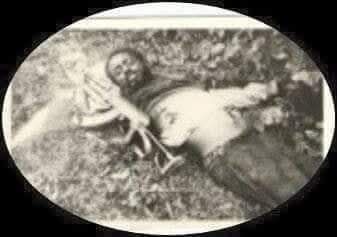
Feature Commentary: The Unbroken Seed – A Grandson’s Oath to Hundee
In the heart of every liberation struggle lies a covenant between the fallen and the living, a sacred trust passed down through blood and memory. It is not just a political cause; it is a familial debt, an amaanaa.
This truth burns at the core of a powerful testament written by Afandii Muttaqii, a grandson of the Oromo martyr known as Hundee—The Foundation. His words are not a dry historical account but a raw, personal reckoning that bridges generations. “Ani shanyii Hundeeti,” he declares. “I am the grandson of Hundee.” With this, he steps forward not merely as a commentator, but as a living vessel of an unfinished promise.
The story he narrates is one of deliberate, symbolic terror and unbreakable prophecy. In September 1974, the Ethiopian military regime executed a group of Oromo freedom fighters, including the iconic Elemoo Qilxuu. Among them was Hundee, born Ahmad Taqii. In a calculated act meant to crush the spirit of his people, the regime singled out Hundee’s body. They transported it to his hometown, Galamso, and publicly dragged it through the streets behind a vehicle. The message was clear: This is the fate of those who defy us.
The regime’s calculus was one of fear. They hoped the desecration would shatter the community’s will. But in the courtyard of history, they misjudged their audience. Hundee’s own father, the respected Sheikh Muhammad Rashiid, heard the news and responded not with a wail of despair, but with a prophecy of fierce resilience. He reframed the atrocity: “They are doing this to break our morale. But this is more astonishing than it is saddening. For them to drag my son’s body on the ground is a great thing. It means the seed of the Oromo liberation struggle has been sown. This seed, now planted, will grow and spread; nothing will stop it until it bears fruit.”
Today, as Afandii Muttaqii writes, that fruit is ripening. The Oromo struggle has indeed “spread.” But his commentary arrives at a critical juncture, asking a piercing question of the present generation: How do we honor the seed that was sown in such brutal soil?
His answer is the core of his testimony: the concept of Amaanaa—the sacred trust. He issues a thunderous, poetic vow, a litany of names that stretches from the martyrs of that day in 1974—Elemoo, Colonel Mahdi, Sheekh Jamaal, Suleymaan, Abdi Kaahin—across decades to fallen heroes like Mecha Tullu, Bakkalchaa, Baaroo Tumsaa, and the victims of more recent state violence. “Amaanaa Hundee hin nyaannu,” he repeats like a mantra. “We will not betray the trust of Hundee.”
This is the powerful pivot of his commentary. He warns against the ultimate betrayal: using the hard-won spaces of the struggle for personal gain, of “walking on the blood of Oromo martyrs to polish Abyssinian nationalism.” In remembering the specific, gruesome detail of his grandfather’s martyrdom, he fortifies a collective moral compass. The struggle, he insists, must remain pure to its foundational purpose—the liberation of Oromiya—lest the sacrifice of Hundee and thousands others be consumed and forgotten.
The image of Hundee’s body, that “seed” dragged to be destroyed, becomes the central, haunting metaphor. It was meant to be a final exhibit of power. Instead, as foretold by a grieving father, it became a source of inextinguishable life. Afandii Muttaqii’s commentary is a vital act of watering that seed. He reminds us that true victory is not just in territorial gains or political seats, but in guarding the amaanaa. The struggle continues not merely in protests and negotiations, but in the daily, conscious choice to refuse betrayal, to remember each name, and to ensure that the fruit of freedom, once borne, belongs wholly and justly to the people for whom the seed was sown.
The foundation—the Hundee—was laid in sacrifice. The grandson’s oath is to build upon it with integrity. The harvest is yet to come.
 Oromedia