Akkamitti Korri Lammii Buundhaa Aadaa Oromoo Cimsuuf Ta’e?
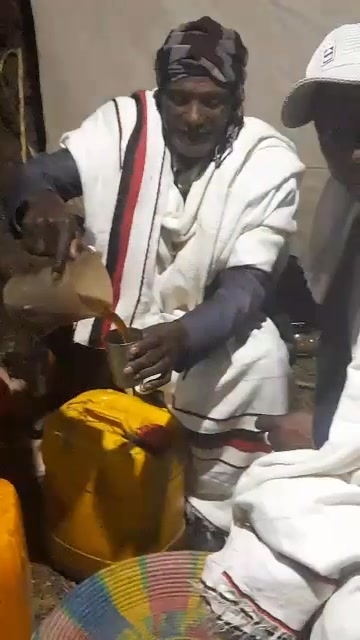
Kora Lammii akka Dirree Sabaatti: Akkamitti Korri Lammii Buundhaa Hundee Tokkummaa Aadaa Oromoof Mootora Ta’e
Amboo Ejersaatti Korri Lammii Buundhaa ardaalee Jaha jiraniif Aadaa fi Safuu Cimsuuf Ta’e
AMBO EJERSA, OROMIA — Dirree aduudhaan jiidhe naannoo Boojii irratti, sagaleen sirba kora lammii Buundhaa waa’ee eenyummaa fi duudhaalee callisaa, gadi fagoo ta’e waliin walsimsiisaa jira. Wanti akka jalqabbiilammii keessaatti jalqabe gara taatee hawaasaa guddaatti guddateera, korri lammii haaromsa aadaa wajjin haala wal hin tuqneen wal makaa jira.
Dorgommiin Kora Lammii Amboo Ejersaa dargaggoota Oromoo ardaalee adda addaa ja’a: Itayyaa, Amboo, Meexxii, Maatiii, Waddeessaa, fi Shanan irraa walitti fiduun milkaa’inaan walitti fiduun isaa ni yaadatama. Walga’iin isaanii walgahii caalaa; itti yaadanii gocha hawaasummaa deebi’anii walitti hidhamuudha. Kaayyoon giddu-galeessaa, akkuma hirmaattotaa fi qindeessitoonni walqixa ibsaman, waancaa bira darbee kan babal’atudha: Korri lammii aadaa aadaa (aadaa) fi safuu (seera naamusaa fi naamusaa) Oromoo cimsuuf akkamitti humna cimaa ta’uu akka danda’u qorachuuf yaalii walooti.
“Kaayyoon waltajjii marii uumuu ture,” jechuun qindeessaan korichaa ibseera. “Goolii fi qusannaa qofaaf osoo hin taane, haasa’uuf, dhaggeeffachuu fi eenyu akka taane yaadachuuf. Humna korichaa fayyadamuun waa’ee bu’uuraalee keenyaa marii boba’aa jirra.”
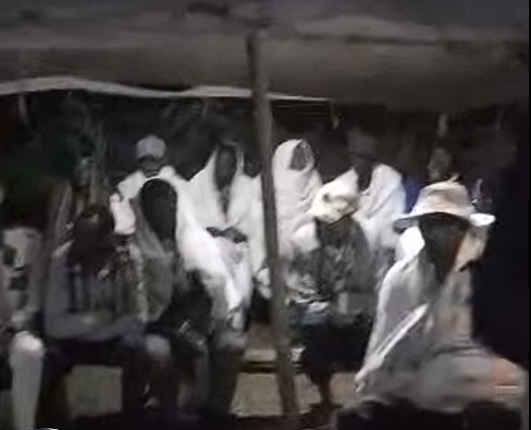
Mul’ata kanaaf dhugaa ta’ee, cinaa fi iddoowwan hawaasaa naannoo dirree jiran gara waltajjii marii boonsaatti jijjiiramaniiru-marii hawaasaa bal’aa, gadi fageenya qabu. Maanguddoonni, daawwattoonnis hojiirra oolmaa qabatamaa safuu jireenya ammayyaa keessatti, kunuunsa afaanii fi seenaa afaaniin dubbatamu, akkasumas gahee dargaggoonni akka guca aadaatti qaban irratti ofumaan marii irratti bobba’aa jiru.
”Korri Lammii kun maagneetiidha, garuu haasofni kun qabeenya dhugaati,” jedhan jaarsi buleeyyiin yeroo akeeka isaa ibsan. “Miseensi Kora Lammii Waddeessaa akaakayyuu Itaayyaa irraa dhufe tokko waliin taa’ee waa’ee kabajaa fi hawaasaa haasa’uu arguun… aadaan akkasitti hafuura baafata. Duudhaaleen kun kitaabota qofa keessatti osoo hin taane, gocha keenya guyyaa guyyaa keessatti akka ta’an akkamitti mirkaneessina.”
Miirri garmalee hirmaattota biratti mul’atu gammachuu fi itti quufinsa gadi fagoodha. ”Hirmaachuuf qofa hin dhufne,” jedhe miseensi Kora Lammii Buundhaa irraa dhufe. “Walqabsiisuuf dhufne. Jarreen kana waliin walarguu, achiis nyaachuu fi booda isaan waliin haasa’uu-dallaa ijaan hin mul’anne ni diiga. Akka ummata tokkootti akka cimnu nu taasisa.”
Miira namoota hedduu kan dhageessisan, hirmaattonni saganticha gaalee Afaan Oromoo humna guddaa qabuun wal irraa hin cinne ibsu: “Korre lammii kun waan haalan nama gammachisuu dha,” hiikni isaas, “Lammummaan hawaasaa kun waan gammachuu gadi fagoo, onnee irraa madde fiduudha.”
Korri Lammii Buundhaa Amboo Ejersaa akka moodeela dirqisiisaa sochii aadaa bu’uuraa ta’ee dhaabbatee jira. Meeshaaleen lubbuu ummata tokkoo kunuunsuuf gargaaran yeroo hunda dhaabbilee idilee keessatti akka hin argamne, garuu jaalala waloo kora lammii, dorgommii fi eenyummaa waliinii irraa maddu akka danda’an agarsiisa. Taphi kora lammii yommuu dhihaatu, injifannoowwan waaraa asitti argaman qabxiidhaan osoo hin taane, walitti hidhamiinsa cimee fi waadaa haaromfameen hambaa Oromoo boonsaan fuulduratti ceesisuuf akka madaalamu ifaadha.
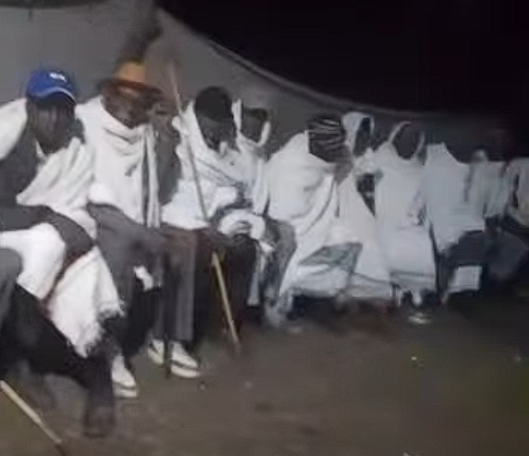
The Goal is Deeper Than the Net: How a Kora Lammii—a community pitch Match Rekindles a Nation’s Soul
Subtitle: In Ambo Ejersa, the beautiful kora lammii—a community pitch Becomes a Classroom for Culture, Proving That Our Strongest Defence is Unity
The scene is familiar—a dusty pitch, the sharp cry of a whistle, the unified gasp of a crowd as a ball soars toward the goal. But in the Boji area of Ambo, the familiar scene is telling a profoundly unfamiliar, and more beautiful, story. Here, the Ambo Ejersa Community gathering has become something far greater than a community gathering. It has transformed into a living, breathing symposium on survival.
Kora Lammii of Buundhaa from Itaya, Ambo, Meti, Machi, Wadesse, and Shanen did not just come to compete. They came to convene. In a world where fragmentation is often the default, these generation chose convergence. They built a kora lammii—a community pitch—and upon it, they are rebuilding a community spirit. The real match is not just between teams; it is a collective struggle against the erosion of identity. The victory they seek is the preservation of their cultural soul: aadaa and safuu.
This is the quiet, revolutionary power of what is happening. In the breaks between matches, in the shade of Odaa tree, the kora lammii gathering organically spawns marii boonsaa—deep, communal dialogues. These are not academic lectures, but urgent, grassroots consultations. How do we practice respect (safuu) in a digital age? How do we wear our culture (aadaa) not as a costume for holidays, but as daily armour against assimilation? The gathering is the ignition; the conversation is the sustainable fire.
What these young people in Boji instinctively understand is a truth many societies grapple with: culture is not a museum artifact. It is a muscle. It atrophies without use. It strengthens under collective strain. By using the universal language of community gathering to strengthening the dispersed chapters of their community, they are creating a gymnasium for their Oromumma. They are exercising their shared identity, passing the weight of tradition from elder to youth, ensuring it does not grow weak.
The palpable joy reported by participants—“waan haalan nama gammachisuu dha” (it is something that brings deep joy)—is the most important metric here. This joy is not merely the thrill of sport. It is the profound relief and empowerment that comes from reconnection. It is the joy of speaking your mother tongue freely in a crowd that understands its nuance. It is the joy of seeing your values reflected in the conduct of your peers—in a fair tackle on the field, in the respectful deference to an elder off it.
In an era where globalized culture often flattens uniqueness, the Ambo Ejersa Buundhaa gathering is an act of gentle defiance. It declares that the future need not be a departure from the past, but a continuation of it, adapted on our own terms. These players are not running away from their heritage to chase modernity; they are sprinting toward a future where their heritage is the foundation of their strength.
The commentary from the sidelines, therefore, should be one of keen observation and high praise. This is grassroots cultural innovation at its finest. The kora lammii gathering is proof that the most effective guardians of a people’s spirit are not always politicians or institutions, but can be its youth, a ball, and a collective will to remember. They have remembered that the most crucial goal to defend is the one protecting their very essence. And in that defense, they are finding not just victory, but a deep and abiding joy.
More Than a Gathering: Lammii gathering of Buundhaa in Boji Becomes a Hub for Oromo Cultural Revival
Subtitle: Lammii gathering of Buundhaa from Across the Region Unite on the Pitch, Spark Community Dialogue on Aadaa and Safuu
BOJI, OROMIA — The sound of cheering fans and bouncing footballs has become a powerful call to unity in the rural landscape of Boji. Here, at the Ambo Ejersa gathering, a simple cultural gathering event has blossomed into a profound social gathering, uniting Oromo generations from various parts of the country and reigniting vital conversations about cultural heritage and values.
The generation gathering has successfully drawn teams that map the Oromo heartland: local generation from Boji are competing alongside their brothers from Itaya, Ambo, Meexxii, Maatii, Wadesse, and Shanan. This convergence on the lammii pitch represents a significant grassroots effort to strengthen communal bonds that stretch across the region.
“This is truly something that brings joy,” remarked an elderly spectator, Bulo Tadese, his eyes following the energetic play. “In these times, seeing our sons from different corners come together in peace and healthy competition… it warms the heart. Waan haalan nama gammachisudha (It is profoundly joyous).”
Yet, the true significance of the event extends far beyond the final score. In the shade of trees and under makeshift tents, the community surrounding the gathering is engaging in a parallel, equally important contest: a collective effort to reclaim and revive core Oromo principles.
During breaks and after matches, elders, players, and spectators are gathering for marii boonsaa—meaningful, extended community dialogues. The central focus is the urgent discussion of aadaa (culture/tradition) and safuu (a deep-seated moral and ethical code governing respect and social harmony).
“This lammii gathering of Buundhaa was the spark, but the conversation is the real fire,” said organizer Dhaqaba Gammada. “We play the meeting to bring the generation of Buundhaa together, but we use this gathering to ask important questions: How do we preserve our identity? How do we practice safuu in our daily lives? The energy here shows our people are hungry for this discussion.”
The spontaneous emergence of these dialogues points to a deep-seated community desire to navigate modernity while firmly rooting the younger generation in their cultural foundation. Elders see it as a chance to impart wisdom, while youth see it as a space to understand their heritage in a contemporary context.
The Ambo Ejersa lammii gathering of Buundhaa stands as a powerful example of how lammii gathering can serve as a catalyst for social cohesion and cultural preservation. It demonstrates that the goal is not only to win games but to strengthen the very fabric of the community, ensuring that the values of aadaa and safuu are passed on, debated, and lived.
As the lammii gathering of Buundhaa continues, the message is clear: the most important victory is happening off the field, in the hearts and minds of a people rediscovering the strength of their shared identity.
 Oromedia