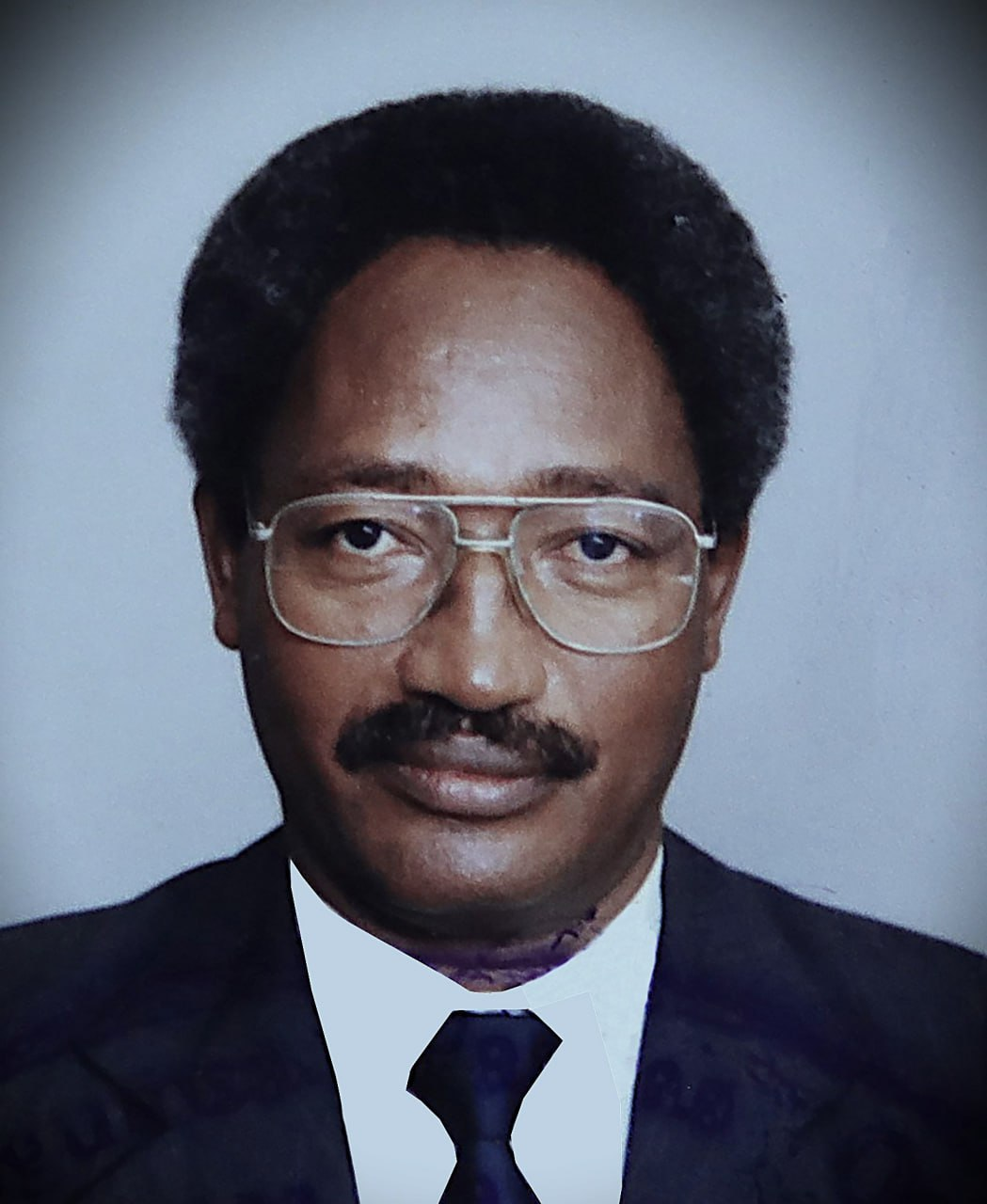
Addis Ababa, Ethiopia – The life of Dr. Paulos Dubale, a groundbreaking Ethiopian agronomist and soil scientist, stands as a powerful testament to a relentless pursuit of knowledge and an unwavering dedication to national development, often achieved in the face of severe institutional and financial constraints.
Born in June 1936 E.C. in Kendo Wolayta, Dr. Paulos’s journey began humbly in local schools before he pursued agriculture at the then-Alemaya College of Agriculture. His talent was quickly recognized; excelling as both a student and a singer, he was appointed as a “Student Singer” to a national development campaign, which led to his first research posting at the Jimma Agricultural Research Station in 1968 E.C.
His career would become synonymous with coffee research, a cornerstone of Ethiopia’s economy. Recognizing a critical shortage of specialists, the research institute sponsored him for a Master’s degree at the University of Hawaii, USA, which he earned in Horticulture with a focus on coffee. Despite his professors’ strong recommendations to pursue a doctorate immediately, a lack of replacement staff at home forced his premature return to Ethiopia—a recurring theme of institutional limitations that would challenge his progress for years.
A Champion of Collaboration Against Scarcity
Back at the Jimma research center, Dr. Paulos rose to lead the coffee research team and later coordinated the entire national coffee research program. His role expanded dramatically as he was tasked with simultaneously managing the nascent Soil and Water Research directorate. Archival documents reveal a continuous, frustrating struggle: numerous invitations for doctoral fellowships in Italy, the Netherlands, and the UK were declined by the institute due to a crippling “lack of qualified manpower” to fill his role.
His perseverance finally paid off in 1982 E.C. when, with World Bank funding, he secured a “Split PhD” program at Wye College in the UK. This allowed him to conduct research in Ethiopia while completing his degree, which he earned in 1986 E.C. He returned immediately to Ethiopia and was appointed Director of the newly formed National Soil and Water Research Directorate.
A Life of Multifaceted Service and Modest Reward
Dr. Paulos’s leadership extended beyond the lab. He taught at Alemaya University, served on the board of the Metehara Sugar Factory, and was an active member of the Ethiopian Society of Soil Science. His scientific contributions were prolific, authoring or co-authoring over 60 publications, including progress reports, technical papers, journal articles, and handbooks.
Despite his monumental contributions, his personal compensation starkly highlighted the sacrifices made by a generation of scientists. Records show that upon his retirement, his monthly salary was just 3,335 Ethiopian Birr, with a responsibility allowance of 450 Birr. His pension was calculated at 1,576.78 Birr per month.
His career was also marked by extensive international travel for training and conferences, taking him to the USA, UK, Brazil, Ghana, Tanzania, India, Uganda, Sri Lanka, and Kenya, where he represented Ethiopia’s scientific community.
Forced to retire in 1991 E.C. upon reaching the mandatory age, his expertise was deemed so indispensable that his tenure was extended twice, allowing him to continue coordinating vital research projects for an additional six years before his final retirement in 1997 E.C.
Dr. Paulos Dubale’s story is not merely one of personal achievement but a narrative of intellectual resilience. It illustrates the profound impact one dedicated scientist can have—nurturing a key economic sector, mentoring future generations, and building institutional capacity—even when operating within a system strained by scarcity. His legacy endures in Ethiopia’s agricultural research foundations and serves as a powerful inspiration for the nation’s scientific community.
 Oromedia