አቢይና ኢሳይያስ ስለ ሰብአዊ መብት ጥሰቶች የጋራ ስጋት
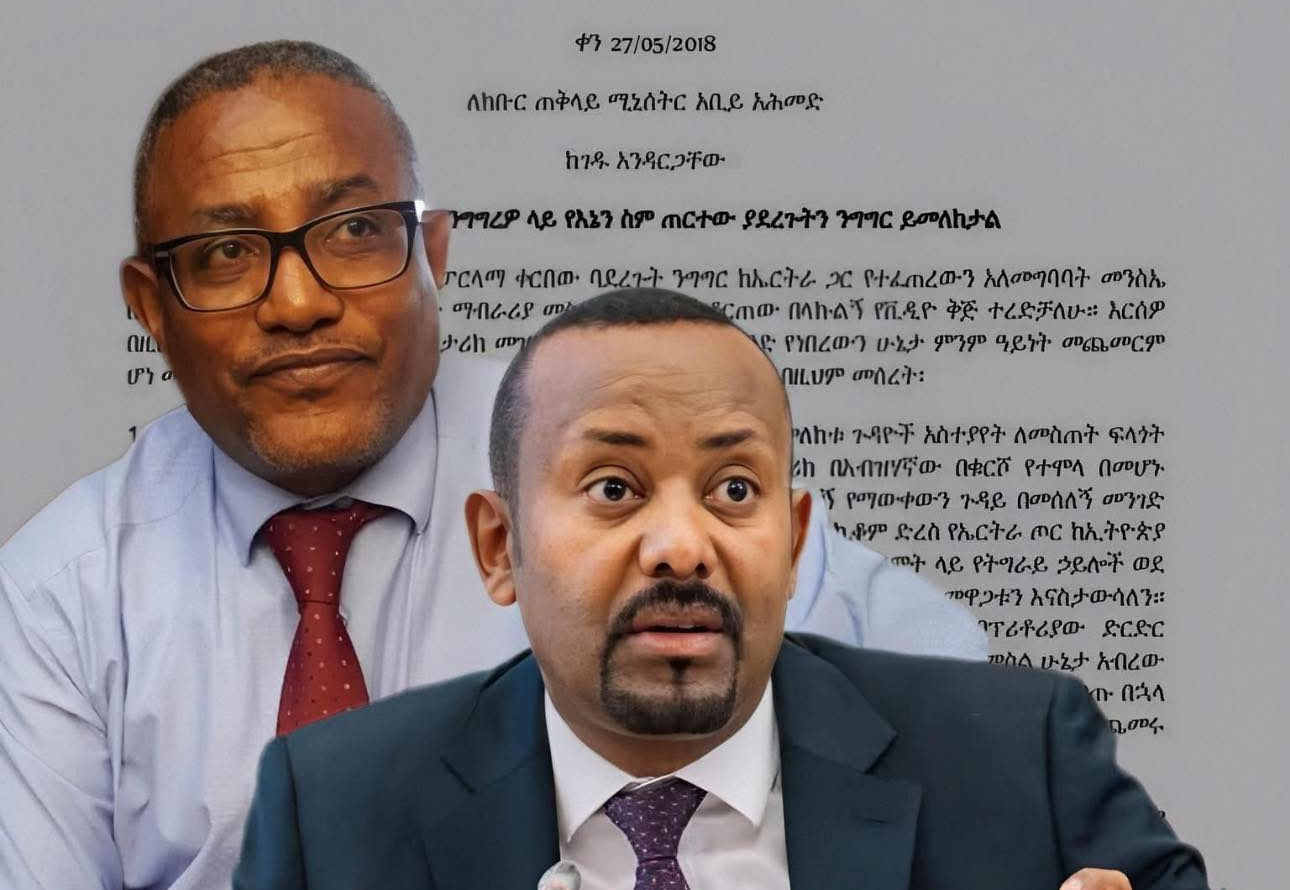
የግላዊ ደብዳቤ ያጋለጠው፡ አቢይና ኢሳያስ ስለ ሰብአዊ መብት ጥሰቶች ተጠያቂነት የጋራ ስጋት ነበራቸው
የካትት 2026 – የቀድሞው ባለስልጣን ገዱ አንደርጋቸው በጠቅላይ ሚኒስትር አቢይ አህመድ ላይ ባቀረቡት ግላዊ ደብዳቤ ውስጥ የቀረበው ውስጣዊ መልዕክት ማስተላለፍ፣ የኢትዮጵያና የኤርትራ መሪዎች በትግራይ ጦርነቱ መጀመሪያ ላይ በሰብአዊ መብት ጥሰቶች ዙሪያ ሊመጣ የሚችል ተጠያቂነት የጋራ ስጋት እንደነበራቸውና ይህን በግል ውይይት እንደተነጋገሩበት ያመለክታል።
እንደ ደብዳቤው መረጃ፣ በጥር 2021 ዓ.ም. ጠቅላይ ሚኒስትር አቢይ አህመድ ገዱን በማንሳት ወደ ፕሬዚዳንት ኢሳይያስ አፈወርቂ የሚያስተላልፉትን መልዕክት እንዲያቀርቡ ማዘዛቸው ተመስክሯል። ከመልዕክቶቹ መካከል አንዱ፣ “አንዳንድ የወያኔ ደጋፊዎች እና የኢትዮጵያን እና የኤርትራን መልካም ግንኙነት የማይፈልጉ የውጭ ሃይሎች፣ በተለያዩ ዓለም አቀፍ ድርጅቶችና ሚዲያዎች አማካኝነት ከሰብአዊ መብት ጥሰት ጋር በተያያዘ ሰፊ የስም ማጥፋት ዘመቻ ከፍተውብናል፡፡” በማለት የያዘ ነበር።
መልዕክቱ፣ “ይህ ነገር ውሎ አድሮ በሁለታችንም ላይ ጣጣ ሊያመጣብን ስለሚችል የጋራ ጥንቃቄ ልናደርግ ይገባል” በማለት ከተስፋፋው ክስ ቀጣይ ከባድ ማስከፋት ሊያጋጥማቸው እንደሚችል ያሳስባል።
እንደ ደብዳቤው ዘገባ፣ የፕሬዚዳንት ኢሳይያስ አፈወርቂ ምላሽ በዚህ አመለካከት ተስማምቶ “የሚቻለው ጥንቃቄ ሁሉ እንዲደረግ” ሁለቱም ወገኖች ለተቀናጀ አቅጣጫ ማሰጠት እንዳለባቸው ተናግሮ፣ ከዚያም “በተረፈ እኔና አብይ በተስማማነው መሰረት ገና ብዙ የሚሰሩ ስራዎች አሉ” ማለታቸው ተመስክሯል።
ደብዳቤው እንደሚያመለክተው፣ ገዱ ይህን መልስ ለጠቅላይ ሚኒስትር አቢይ ሲያቀርቡ ስብሰባው አዎንታዊ እንደነበር እና ፕሬዚዳንት ኢሳይያስም በሰብአዊ መብት ክሶች ዙሪያ የጥንቃቄ አስፈላጊነትን እንደገና እንዳጠነከሩ ሪፖርት አድርገዋል።
ይህ የግል ውይይት፣ አሁን ወደ ህዝብ ተሰርዞ፣ በሁለቱም የጦርነት ጊዜ የሁለቱም አገራት መደበኛ የሆኑትን ሪፖርቶችን በመቃወም የተለየ አቀራረብ ሲያቀርቡ ከነበረው መደበኛ የወገን አመለካከት ጋር ተቃራኒ ነው። በሁለቱም መሪዎች ደረጃ ከጦርነቱ መጀመሪያ ጀምሮ የሰብአዊ መብት ጥሰቶች የሚያስከትሉት “ከባድ ተጠያቂነት” እንደ እውነተኛ አደጋ እንደተደረሰበት ያሳያል።
የገዱ ደብዳቤ ይህን ውይይት በአስመራ የነበረው ተልዕኮ በፖለቲካዊና በሕጋዊ መከላከያ ላይ ያተኮረ እንጂ በሰብአዊ እርዳታ ላይ አልነበረም በማለት በመግለጽ “ስለ ትግራይ ህዝብ መከራ ምንም ዓይነት መልእክት አልተላለፍም” በማለት አጽንቷል።
For more detail see the official Amharic letter of Gedu Andargachew
Pioneering Agronomist Dr. Paulos Dubale (1944-2026): A Legacy of Science and Service Against the Odds
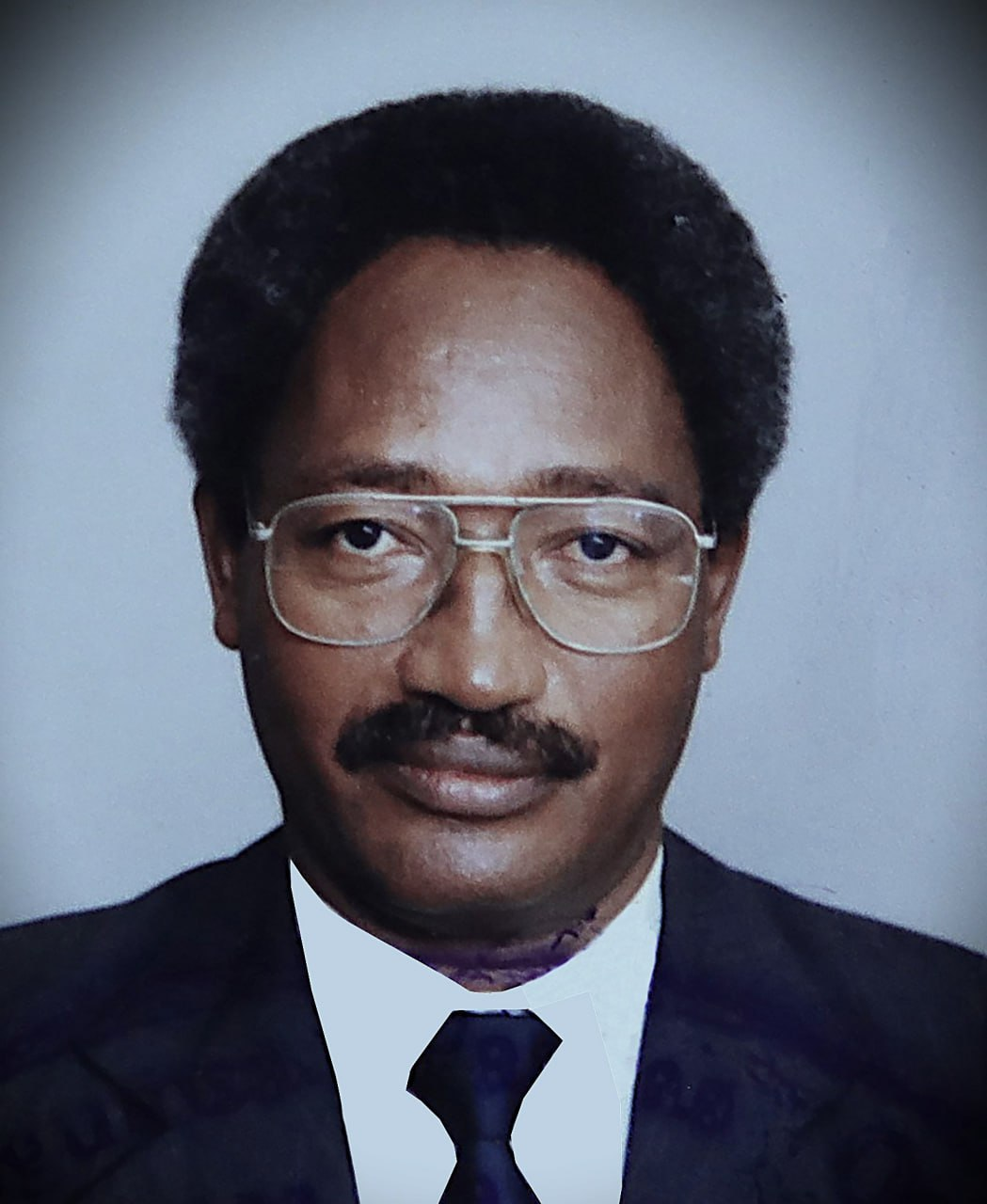
Addis Ababa, Ethiopia – The life of Dr. Paulos Dubale, a groundbreaking Ethiopian agronomist and soil scientist, stands as a powerful testament to a relentless pursuit of knowledge and an unwavering dedication to national development, often achieved in the face of severe institutional and financial constraints.
Born in June 1936 E.C. in Kendo Wolayta, Dr. Paulos’s journey began humbly in local schools before he pursued agriculture at the then-Alemaya College of Agriculture. His talent was quickly recognized; excelling as both a student and a singer, he was appointed as a “Student Singer” to a national development campaign, which led to his first research posting at the Jimma Agricultural Research Station in 1968 E.C.
His career would become synonymous with coffee research, a cornerstone of Ethiopia’s economy. Recognizing a critical shortage of specialists, the research institute sponsored him for a Master’s degree at the University of Hawaii, USA, which he earned in Horticulture with a focus on coffee. Despite his professors’ strong recommendations to pursue a doctorate immediately, a lack of replacement staff at home forced his premature return to Ethiopia—a recurring theme of institutional limitations that would challenge his progress for years.
A Champion of Collaboration Against Scarcity
Back at the Jimma research center, Dr. Paulos rose to lead the coffee research team and later coordinated the entire national coffee research program. His role expanded dramatically as he was tasked with simultaneously managing the nascent Soil and Water Research directorate. Archival documents reveal a continuous, frustrating struggle: numerous invitations for doctoral fellowships in Italy, the Netherlands, and the UK were declined by the institute due to a crippling “lack of qualified manpower” to fill his role.
His perseverance finally paid off in 1982 E.C. when, with World Bank funding, he secured a “Split PhD” program at Wye College in the UK. This allowed him to conduct research in Ethiopia while completing his degree, which he earned in 1986 E.C. He returned immediately to Ethiopia and was appointed Director of the newly formed National Soil and Water Research Directorate.
A Life of Multifaceted Service and Modest Reward
Dr. Paulos’s leadership extended beyond the lab. He taught at Alemaya University, served on the board of the Metehara Sugar Factory, and was an active member of the Ethiopian Society of Soil Science. His scientific contributions were prolific, authoring or co-authoring over 60 publications, including progress reports, technical papers, journal articles, and handbooks.
Despite his monumental contributions, his personal compensation starkly highlighted the sacrifices made by a generation of scientists. Records show that upon his retirement, his monthly salary was just 3,335 Ethiopian Birr, with a responsibility allowance of 450 Birr. His pension was calculated at 1,576.78 Birr per month.
His career was also marked by extensive international travel for training and conferences, taking him to the USA, UK, Brazil, Ghana, Tanzania, India, Uganda, Sri Lanka, and Kenya, where he represented Ethiopia’s scientific community.
Forced to retire in 1991 E.C. upon reaching the mandatory age, his expertise was deemed so indispensable that his tenure was extended twice, allowing him to continue coordinating vital research projects for an additional six years before his final retirement in 1997 E.C.
Dr. Paulos Dubale’s story is not merely one of personal achievement but a narrative of intellectual resilience. It illustrates the profound impact one dedicated scientist can have—nurturing a key economic sector, mentoring future generations, and building institutional capacity—even when operating within a system strained by scarcity. His legacy endures in Ethiopia’s agricultural research foundations and serves as a powerful inspiration for the nation’s scientific community.
Ethiopia Mourns Veteran Tourism Journalist Zerihun Girma
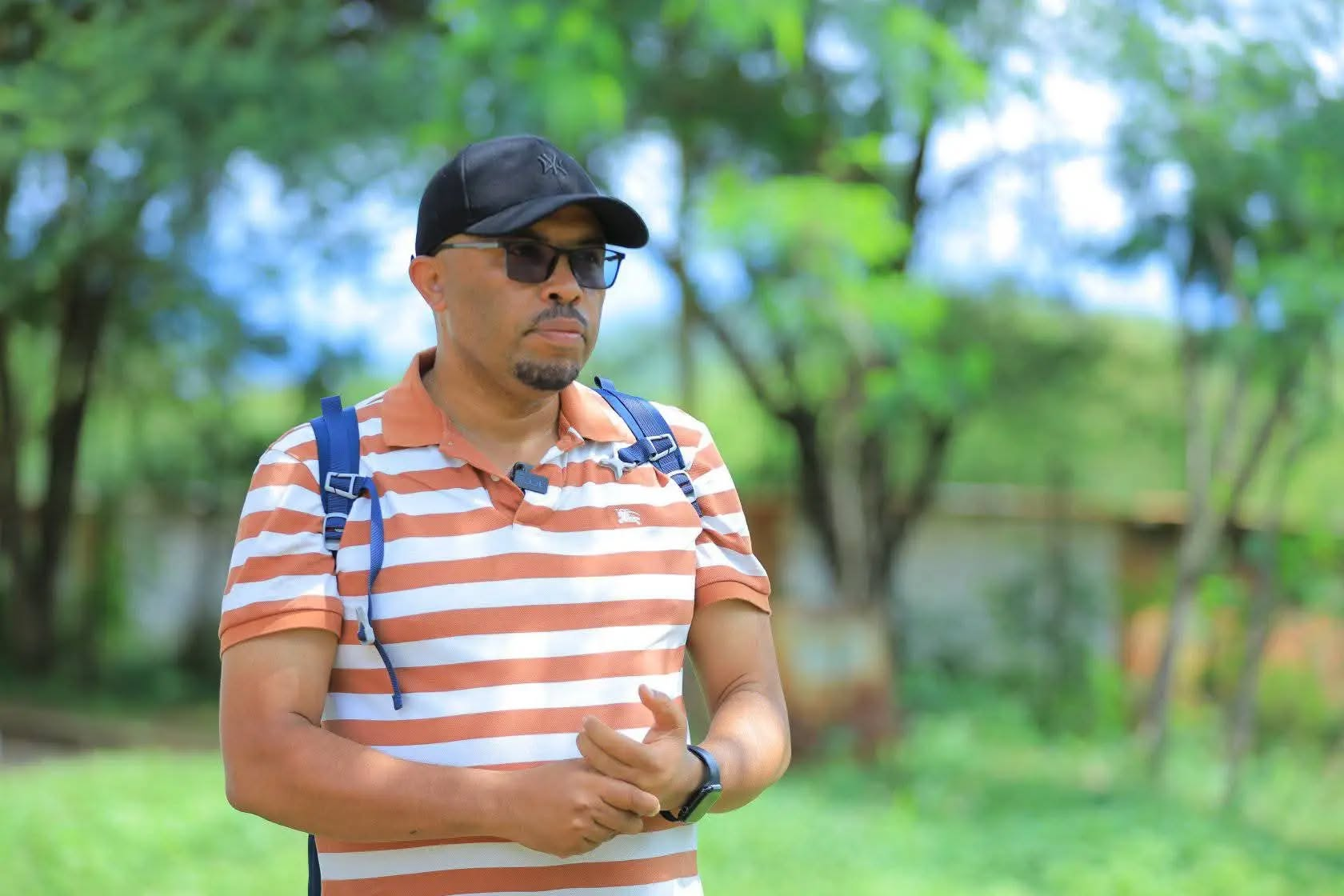
Addis Ababa – The Ministry of Tourism has announced with deep sorrow the passing of veteran journalist Zerihun Girma, a respected figure who dedicated his long career to promoting Ethiopia’s cultural and tourism heritage. In an official statement of condolence, the Ministry hailed Zerihun as a passionate advocate whose work left an indelible mark on the sector.
“Journalist Zerihun Girma was well known for his great love and determination to introduce our country’s tourist attractions, historical heritage, and cultural values to the world,” the Ministry’s statement read. It credited his professional contributions with playing a significant role in the growth of the sector, stating that through his work, “he has left his own unique footprint.”
Zerihun Girma served for many years within Ethiopia’s tourism and culture landscape, utilizing his journalism to spotlight the nation’s vast potential as a premier destination. His reporting was instrumental in bringing international attention to Ethiopia’s diverse historical sites, vibrant traditions, and natural wonders.
During this difficult time, the Ministry extended its heartfelt condolences to his family, friends, and colleagues. “We pray for comfort for his family, his dear relatives, as well as his work associates,” the statement concluded.
The passing of Zerihun Girma represents a significant loss for Ethiopia’s media and tourism communities, removing a dedicated voice that consistently championed the nation’s rich cultural tapestry on both local and global stages.
 Oromedia