The Unstoppable Train of Oromo Struggle: Navigating Detours on the Long Road to Freedom
As the Oromo Liberation Struggle evolves through generations, internal debates and shifting allegiances test its unity while fueling its enduring momentum.
The Oromo struggle for self-determination has never relied on today’s technology or instant communication. Historically, Oromo intellectuals and leaders from all regions – East, West, North, and South – united under the common banner of Oromumma (Oromo national identity). They converged with a shared goal: to liberate the Oromo people and their homeland from subjugation. This foundational mission continues to live on in new generations.
History shows that in any protracted struggle, there are those who win and those who are won over. Individuals who were once active participants or leaders sometimes shift allegiances, abandon the cause, or change sides at critical junctures. Within the Oromo struggle, some who initially fought against the imperial system later shifted to defending the very Ethiopian imperial structure when the Oromo people mobilized to reclaim their inherent right to self-rule. We see those who left the Oromo Liberation Front (OLF) to spend their twilight years propping up the oppressive empire.
When a people’s struggle is long, the commitment of its fighters is tested. Some persevere through the long years, while others, from leadership to the rank-and-file, grow weary. Some withdraw, others are co-opted, and some simply disappear. Yet, the struggle itself does not halt; it regenerates, absorbing new generations and maintaining its forward momentum. This is why it is likened to a train.
A train, once departed, does not stop until it reaches its final destination. Some passengers disembark at stations convenient for them, having traveled as far as they wished. Others may fall off along the tracks. But the train continues, picking up new passengers at every stop, joining them with those who began the journey, all moving together. The struggle operates similarly. If it stalls for a decade, thousands more join its ranks. Thus, even if some OLF leaders or members abandon it, new generations, believing deeply in its cause and ready for sacrifice, will take their place.
The core mission of the OLF is to secure a system of freedom for the Oromo people.
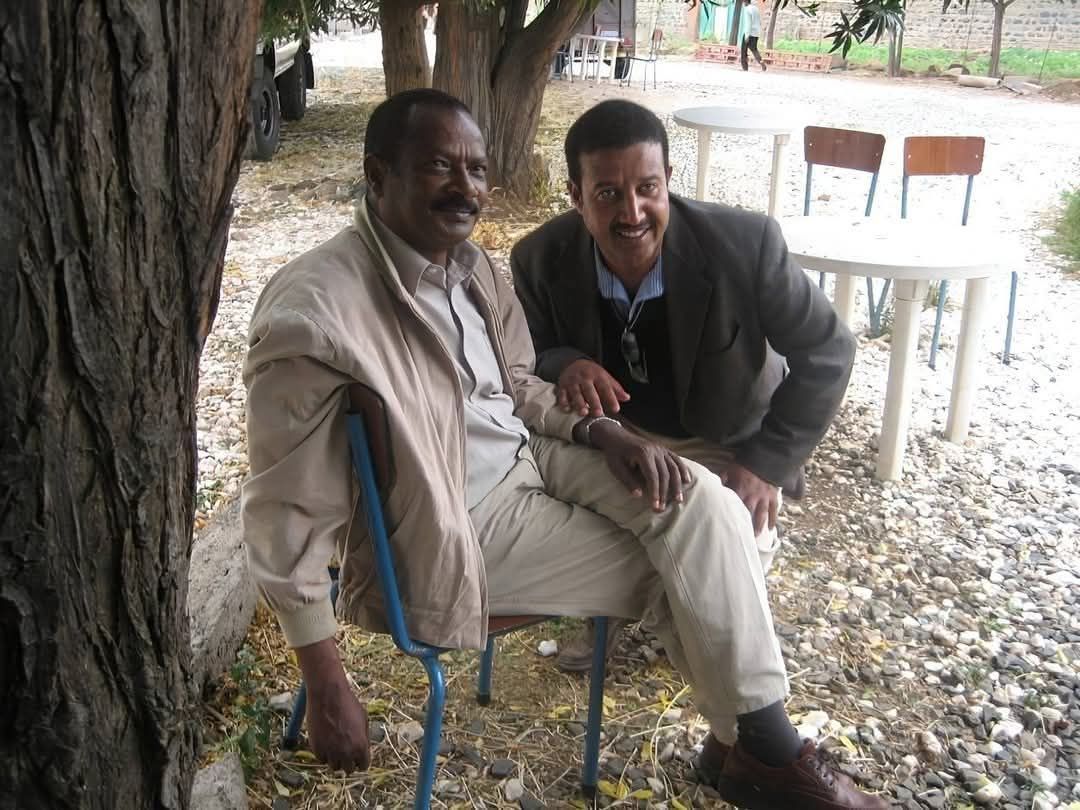
Historical figures like Jaal Dawud Ibsa and Obbo Leencoo Baati once shared a common goal and vision. Their paths, and those of many others, reflect the complex dynamics of a movement navigating the arduous journey toward liberation.
 Oromedia