
Gadaa Assembly in Harar Champions Oromo Identity, Peace, and Pre-Colonial Democracy
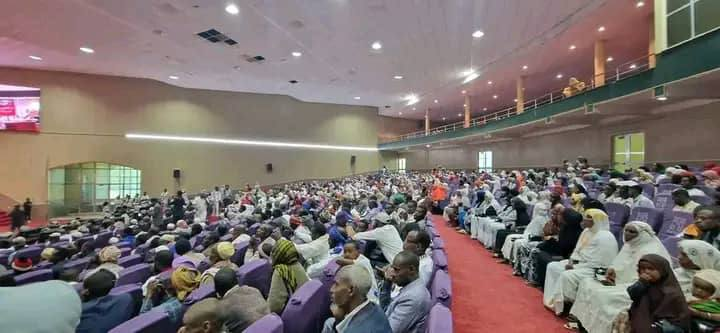
HARAR, OROMIA – In a vibrant display of cultural continuity and unity, the Gumii Gadaa (Gadaa Assembly) of the Humbannaa Bareentoo Oromo generation was held in the historic city of Harar. Convening under the theme “Gadaa is Oromo Identity, Equality, Peace, and Justice,” the assembly brought together diverse Gadaa councils and a broad public audience to reaffirm the enduring values of the indigenous Oromo governance system.
The significant gathering saw the participation of leaders from three major Oromo Gadaa lineages: the Abbootiin Gadaa Humbannaa, Abbootiin Gadaa Afran Qalloo, and Abbootiin Gadaa Ituu. The event served as a powerful platform to discuss Gadaa’s role as a bedrock of social order and a precursor to modern democratic ideals.
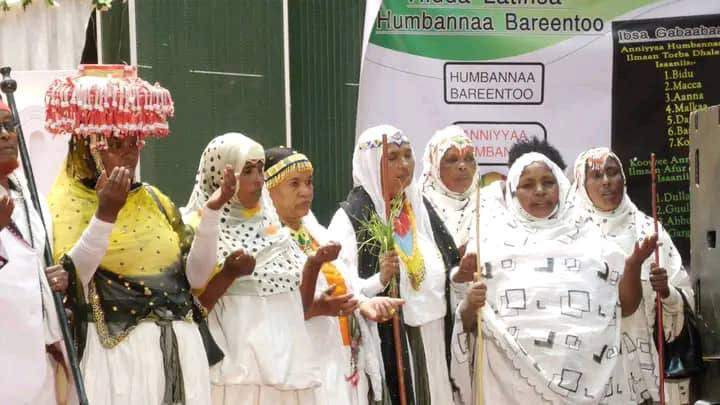
Gadaa as a Foundational System of Equality and Governance
Addressing the assembly, Abbaa Gadaa Humbannaa Bareentoo, Gugsaa Ibsaa, articulated the system’s core philosophy. He stated that the Gadaa system is the framework through which all human beings are born equal and should live as equals—a principle embedded in its social and political structures.
“Peace is essential for everyone, and therefore, paramount attention must be given to peace,” Abbaa Gadaa Gugsaa emphasized, highlighting the system’s intrinsic link to stability and social harmony. He further described Gadaa as a system of “development, unity, brotherhood, and love.”
Official Recognition of Historical Contribution
Regional officials acknowledged the profound historical and contemporary relevance of the Gadaa system and the Oromo people.
Mr. Naasir Ahmad, Head of the Harari Regional Culture, Sports, and Tourism Bureau, praised the Humbannaa Bareentoo lineage for playing a distinctive and vital role in the struggle and interests of the Oromo people throughout history.
He also made a striking historical assertion, noting that “the Gadaa system was an example of democracy before the concept of democracy itself [existed in the region].”
Echoing this sentiment, Ms. Sa’aada Abdurahman, Head of the East Hararghe Zone Culture and Tourism Bureau, reminded attendees that the Oromo people have lived for centuries with their own history, language, culture, and self-governing Gadaa system.
She provided a compelling timeline, asserting that “the Oromo people governed themselves with the Gadaa system for over 700 years,” and that this system predates the democracies currently practiced in Western nations by some 200 years.
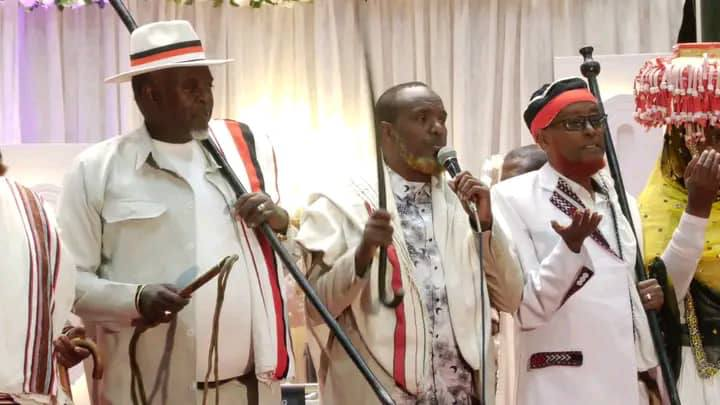
A Convergence of Leadership and Legacy
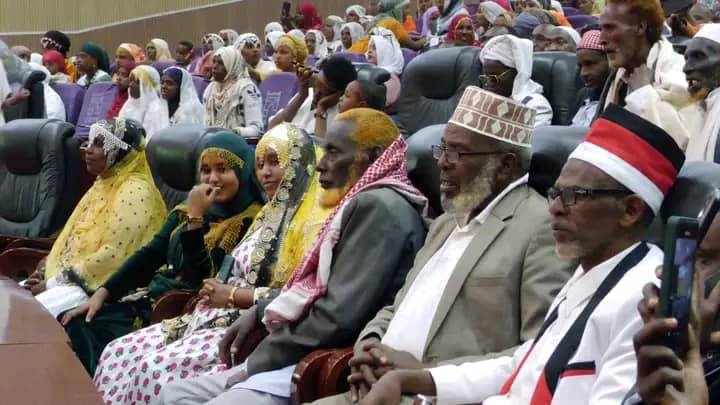
The assembly was attended by senior leadership from the Harari Regional State and East Hararghe Zone, alongside delegations from the three participating Gadaa councils and numerous invited guests.
The convening of this Gadaa assembly in Harar—a city emblematic of Ethiopia’s rich Islamic and cultural heritage—signifies a strengthening cross-cultural recognition of the Oromo system. It reinforces Gadaa not as a relic of the past, but as a living, breathing institution that offers timeless principles of egalitarianism, peaceful coexistence, and cyclical leadership.
By framing Gadaa as both the core of Oromo identity and a pioneering democratic model, the Humbannaa Bareentoo assembly serves as a potent reminder of Ethiopia’s deep and diverse wells of indigenous governance knowledge, now receiving renewed scholarly and official appreciation.
 Oromedia