Beyond Protest: The AU’s Somaliland Stance and the Chasm Between Principle and Practice
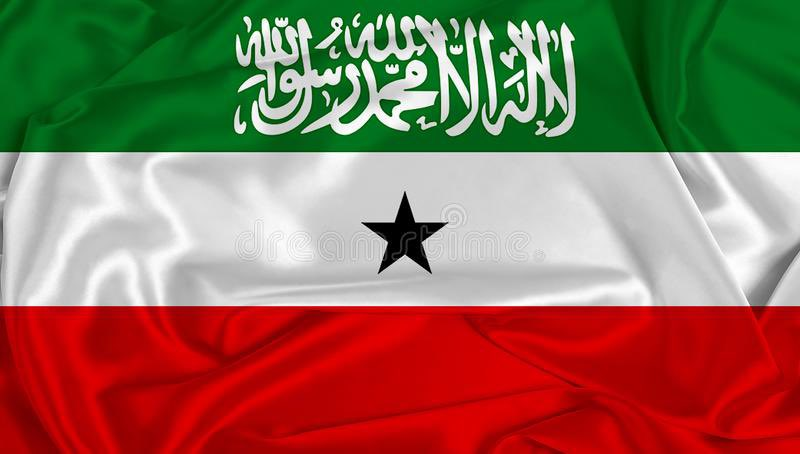
In the intricate chessboard of international diplomacy, the African Union (AU) has made its latest move: a firm rejection of Israel’s recent recognition of Somaliland as a sovereign state. This position is predictable, anchored in the bedrock principle of territorial integrity and the sacrosanctity of colonial borders—a cornerstone of the AU’s founding charter designed to maintain continental stability.
But the announcement lands with a thud of hollow irony across a continent long accustomed to the gulf between declared principle and lived reality. It prompts a weary, yet urgent, question: What, in practice, has the African Union actually implemented that holds real power to shape events on the ground?
The AU’s rejection of Somaliland’s recognition is rooted in a familiar doctrine. It echoes the organization’s long-standing stance that the union of Somalia and Somaliland is inviolable. Yet, this position exists in a parallel universe to the factual, on-the-ground existence of Somaliland for over three decades. Hargeisa has its own government, currency, police force, and democratic elections—all while maintaining a stability that eludes Mogadishu. The AU’s protest, therefore, feels less like a governing policy and more like a ritualistic incantation of a map that ceased to reflect political realities a generation ago.
This dissonance is symptomatic of a deeper institutional paralysis. The AU repeatedly and correctly states that “it is impossible to uphold a government changed by force.” This principle condemns military coups and unconstitutional changes of government. Yet, the practice has not stopped in Africa. From the Sahel to Central Africa, putsches and military takeovers have continued with alarming frequency. The AU’s response—typically suspension from the bloc and stern rhetoric—has proven to be a temporary slap on the wrist, not a deterrent. Coup leaders often eventually negotiate their way to legitimacy or remain in power with minimal long-term consequence from the continental body. The principle is clear; the enforceable mechanism to uphold it is conspicuously absent.
Thus, when the AU protests Israel’s recognition of Somaliland, its voice carries limited weight. The protest is, as critics argue, “worthless except for itself.” It serves to reinforce the AU’s own internal dogma and satisfy diplomatic formalities but does little to alter the evolving situation. It does not help Somalia regain control over its northern territories, nor does it force Somaliland to abandon its quest for recognition. It simply registers a diplomatic complaint that major powers and regional actors may increasingly choose to ignore, as they engage with Somaliland on practical issues of security, trade, and development.
The danger here is not just ineffectiveness, but irrelevance. As global powers and regional neighbors begin to engage Somaliland based on de facto realities rather than de jure fictions, the AU risks becoming a spectator to its own continental affairs. Its protests, unsupported by credible political or economic leverage, become background noise.
The lesson from this episode is stark: the African Union’s authority cannot rest on proclamation alone. It must be built on a capacity for proactive engagement, conflict resolution, and the creation of pathways that address legitimate political aspirations within a framework of continental peace. Endlessly defending a status quo that has already fractured, while being unable to uphold its own rules against power grabs, erodes its credibility.
Until the AU bridges the chasm between its noble principles and its tangible power to enact them, its rejections and condemnations will remain just that—words on paper, echoing in halls far removed from the dynamic, complex, and often defiant realities of the African continent. The challenge is not merely to protest a change on the map, but to develop a credible response to the forces that are redrawing it.
Karrayyu Gadaa Announces Historic Ceremony: Call to Witness Buttaa Qaluu and Passing of the Goobaa Scepter
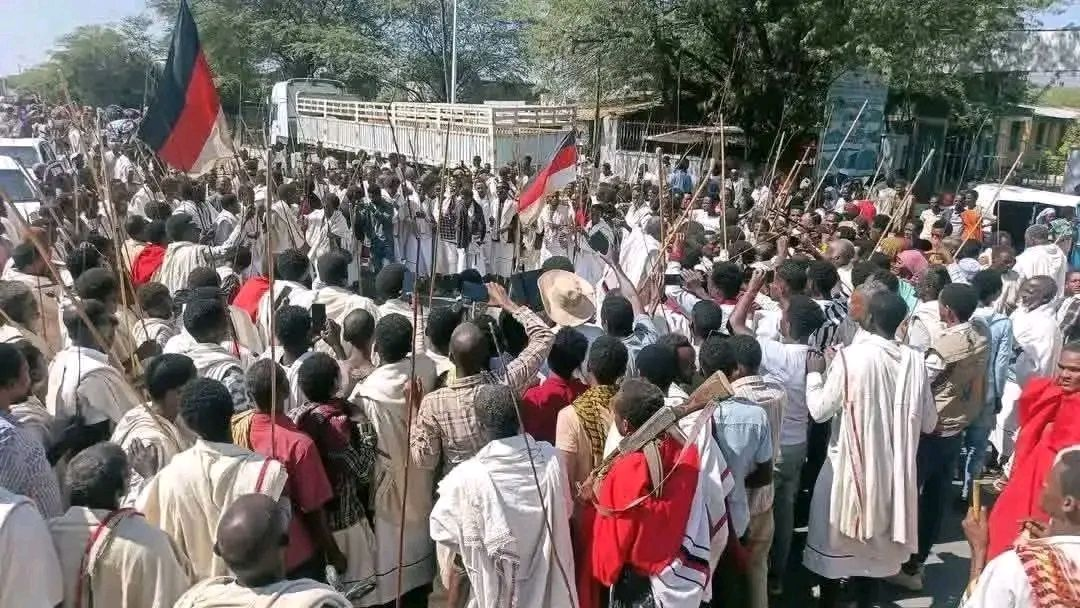
OROMIA, ETHIOPIA – In a profound continuation of a centuries-old tradition, the Karrayyu Gadaa system has officially entered the preparatory phase for one of its most sacred rites: the Buttaa Qaluu ceremony and the formal transfer of the Goobaa, the leadership scepter. This pivotal event, scheduled to take place one week from today, marks a critical juncture in the eight-year Gadaa cycle, where power is peacefully passed to the next generation.
The Gadaa system, a UNESCO-recognized indigenous democratic and socio-political institution of the Oromo people, operates on a strict eight-year rotational leadership schedule. For the Karrayyu, this process involves a meticulous two-year preparatory period. The current Gadaa assembly is now finalizing preparations to hand over the Goobaa to the incoming class, ensuring the unbroken chain of governance, law, and cultural continuity.
“Karrayyu Gadaa continues its journey. The existing Gadaa, after two years of preparatory work, has begun the process of transferring leadership to the next group by presenting the Goobaa,” stated the official announcement.
The upcoming week will culminate in the Cidha Buttaa Qaluu, a specific and elaborate ritual that formalizes this transfer. The ceremony is not merely administrative but a deeply spiritual and communal reaffirmation of identity, law, and social order.
In a move that underscores the communal and intergenerational nature of Gadaa, the Karrayyu elders have extended a formal and respectful invitation to members of the community to witness this historic passage.
“In this regard, an invitation has been extended to you to participate as part of this history, to be present as the historical Cidha Buttaa Qaluu and the passing of the Goobaa are conducted next week,” the announcement declared.

The Goobaa is far more than a symbolic object; it is the embodiment of authority, justice, and the collective will of the people under Gadaa law. Its transfer is a carefully orchestrated event that educates the incoming leaders and binds them to their responsibilities.
The call concludes with a powerful affirmation of cultural purpose: “Guides of generations, let us manifest our culture together!”
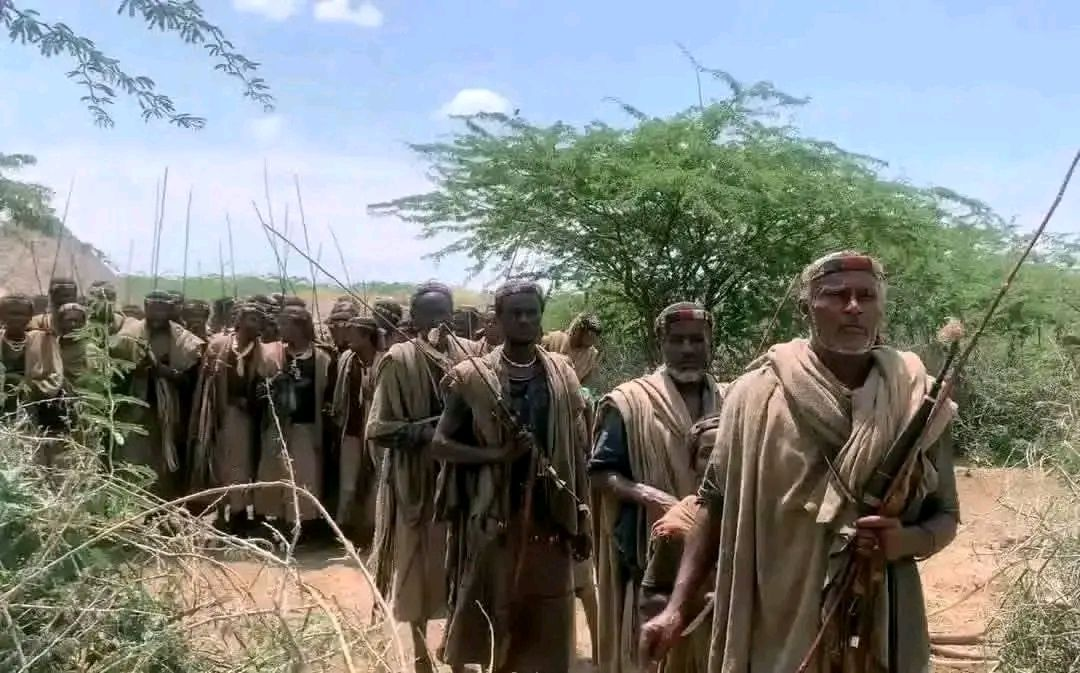
The ceremony is expected to draw participants and observers from across the community, serving as a living testament to the resilience of the Gadaa system and its enduring role in guiding the social, political, and spiritual life of the Karrayyu Oromo.
 Oromedia