Irreechaa Festival: Celebrating Oromo Culture in Melbourne
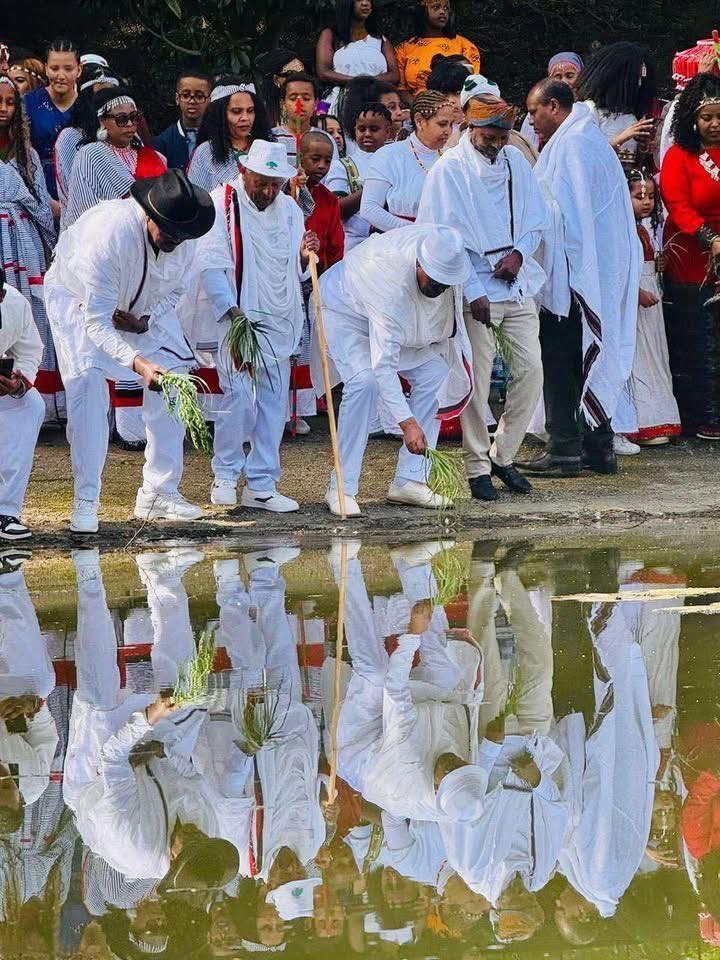
(Oromedia, 29 September 2025) Irreechaa celebrations in Melbourne have become a notable expression of Oromo culture, bringing the local Oromo diaspora together to honor traditional values and strengthen communal bonds.
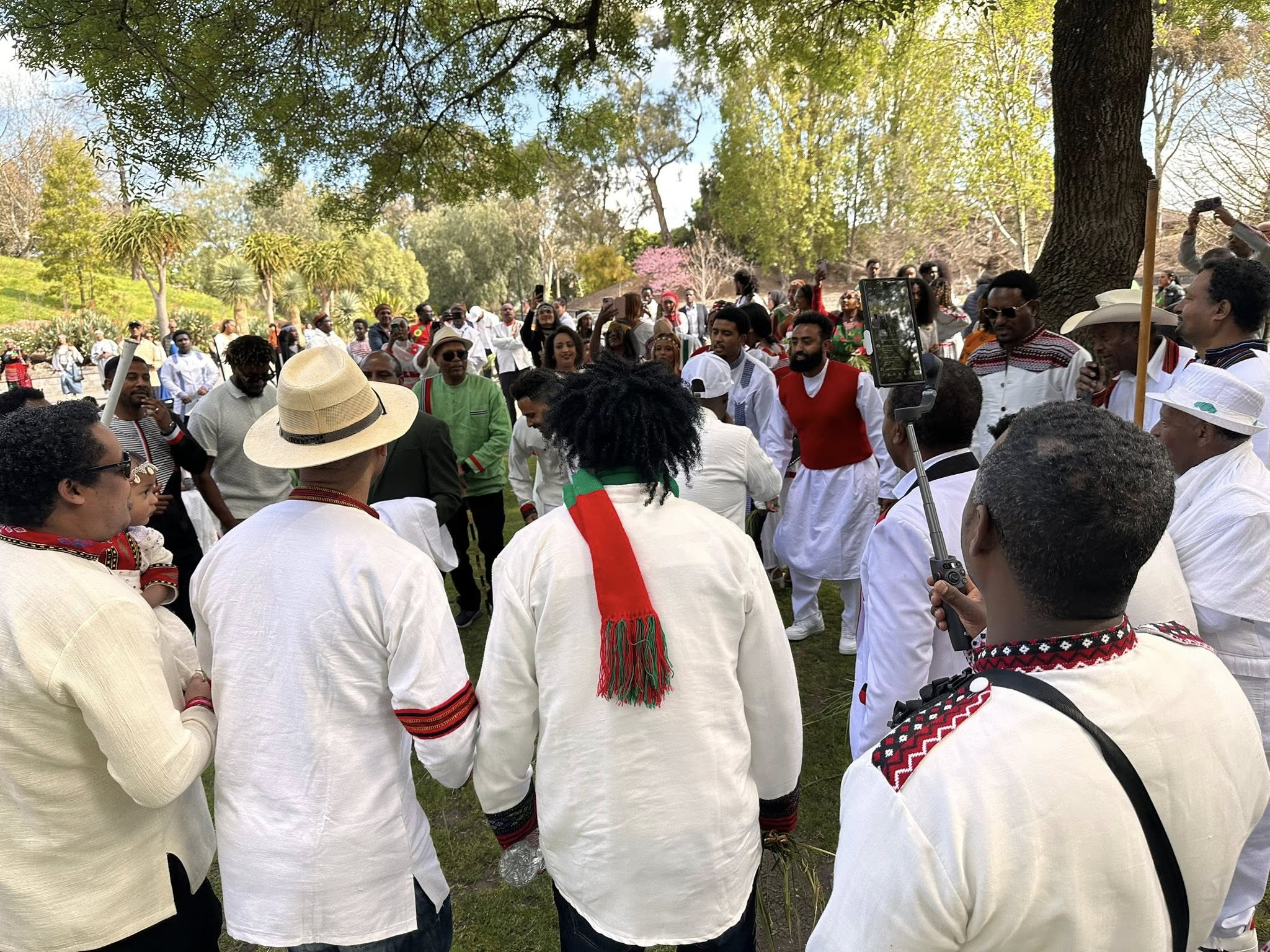
The festival typically features blessings by elders, cultural performances, music, dancing, and communal meals, all designed to replicate the spiritual essence of Irreechaa as celebrated in Oromia.
Festival Highlights in Melbourne
– The celebration is usually held at riversides or parks—often at the iconic Wilson Botanical Garden—to maintain the symbolic tradition of giving thanks to Waaqa (God) by water.
– Community leaders and elders lead the prayers and blessings, paying homage to nature and ancestral wisdom.
– Attendees wear traditional Oromo clothing, display cultural ornaments, and use symbolic colors such as black, red, and white.
– Music, and dances (including Siiqqee and Gumii) are performed to educate and entertain both the Oromo community and local Australians.
Purpose and Impact
– The event fosters Oromo cultural identity and unity among diaspora members.
– It serves as a platform for educating younger generations about heritage and traditions, helping them maintain a connection to their roots.
– Many celebrations invite local government officials, multicultural organizations, and curious residents, encouraging mutual respect and intercultural exchange.
Growth and Community Engagement
– Participation has steadily grown, with increased efforts by local Oromo associations to expand outreach and inclusivity.
– Social media and diaspora networks play a crucial role in organizing, publicizing, and preserving the festival’s traditions, even reaching Oromo youth who may be distant from their homeland.
Irreechaa in Melbourne embodies both cultural pride and adaptation, allowing the Oromo community to sustain meaningful traditions while building bridges with the wider Australian society.
Participants took memorable photos with family, friends and each other and shared them on social media.
All those who participated in this celebration filled with love and respect are saying that they remember it with joy.
Irreechaa is a festival of wisdom that Oromo have contributed to the world community, which promotes gratitude, peace, reconciliation, hope, life, social harmony, connection, mutual assistance, sharing, harmony and morality.
𝕀𝕣𝕣𝕖𝕖𝕔𝕙𝕒𝕒: The Oromo Festival of Thanksgiving and Renewal
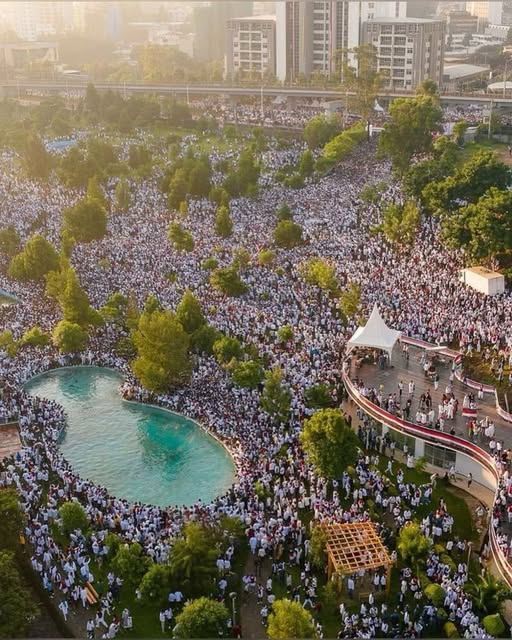
Every year, as the rains recede and the Ethiopian highlands begin to glow with new light, millions of Oromo people gather to give thanks. Irreechaa — literally “thanksgiving” in Afaan Oromo — is a vibrant, deeply felt festival that marks the end of the rainy season and the welcoming of a new, fertile period. It is at once spiritual ceremony, community reunion, cultural showcase, and a time for renewal.
Roots and Meaning
Irreechaa is rooted in the traditional Oromo worldview and is closely linked to the Gadaa system, the democratic social and political institution that organized Oromo life for centuries. The festival is fundamentally a ritual of gratitude to Waaqa (God) for life, health, and the bounty of the land. It affirms social bonds, renews moral commitments, and marks seasonal and generational transitions. Though its spirit is ancient, Irreechaa remains a living, adaptive tradition that continues to shape Oromo identity today.
Where and When It Happens
Irreechaa is observed across Oromia and by Oromo communities worldwide. Celebrations are usually held at natural gathering places — lakes, rivers, and meadows — where people can perform water- and earth-centered rites. The largest contemporary gatherings often take place by the lakes near Bishoftu (sometimes also called Debre Zeyit) and at other prominent riverbanks and lakes throughout the region. The timing follows the agricultural and pastoral calendar: typically at the end of the rainy season, around late September or early October in the Gregorian calendar, though exact dates may vary by locality and community.
Rituals and Practices
An Irreechaa morning is a sensory feast. People travel from villages and cities, wearing traditional dress and carrying bunches of seasonal wildflowers and fresh grasses. The ceremony is usually led by elders and by the Abbaa Gadaa (the Gadaa father or leader), who offers prayers and blessings for the coming year.
Key elements include:
– Gatherings at water: People congregate at lakeshores and riverbanks, where water symbolizes renewal and life.
– Blessings by elders: The Abbaa Gadaa or elders lift a branch of grass or flowers — a symbol of life — and sprinkle or dip it in the water, then wave or sprinkle drops over the crowd as a communal blessing.
– Songs and ululation: Traditional songs, chants, and ululations (high-pitched celebratory cries) fill the place. Music and dance are central, with both communal steps and individual expressions.
– Feasting and fellowship: Families and friends share food, exchange greetings, and reconnect after the rainy months. Coffee ceremonies, a core part of Ethiopian hospitality, often accompany gatherings.
– Symbolic gestures: The sharing and tossing of flowers or grasses into the water is a visible act of giving thanks and wishing for fertility and prosperity.
Cultural and Civic Dimensions
Though Irreechaa is primarily a spiritual and cultural event, it has also taken on civic and social significance in modern times. Festivals have been occasions for public discussion, cultural revival, and the assertion of Oromo language and identity. For the Oromo diaspora — in North America, Europe, and beyond — Irreechaa gatherings are important moments for preserving heritage and passing it to younger generations.
The festival has not been without challenges. Large crowds require careful management, and political tensions at times have added complexity to peaceful celebrations. Communities and authorities increasingly work together to ensure safety while protecting the sacred and communal nature of the festival.
Why Irreechaa Matters
Irreechaa is more than an annual party: it is a ritual that knits people to place, to each other, and to the cycles of nature. It embodies gratitude, resilience, and hope — values that resonate far beyond Oromia. For visitors and observers, Irreechaa offers a window into a rich cultural tradition that balances spirituality, social cohesion, and joyful celebration.
If You Attend
If you have the opportunity to witness or participate in Irreechaa, approach with respect:
– Dress modestly and follow local customs.
– Ask permission before taking photos, especially of elders or religious activities.
– Participate quietly and respectfully in communal moments; observe before joining.
– Be mindful of large crowds and follow safety guidance from organizers.
Irreechaa remains a powerful expression of Oromo life: a time to say thank you, to heal, to celebrate community, and to step forward together into the new season.
#Irreecha#Irreechaa#Oromo#OromoFestival#OromoCulture#OromoTradition#OromoThanksgiving#Gadaa#SirnaGadaa
Irreechaa: For Peace and Reconciliation

By Girma Mirgisa Reba
Ethiopia is endowed with beautiful diversity and richness of cultures, which are celebrated at different times in the country. In particular, September is a month of festivals, holidays and celebrations around the country, among which, are Meskel festival and Irreechaa festival, thanksgiving of the Oromo people.
It also represents the start of Ethiopian New Year , symbolizing a stimulating time of change, thanksgiving and renewal, with the celebration of a series of cultural and religious festivals throughout the month. It is also a season when the landscape is dressed with the golden color of Ethiopian daisies, locally known as Adey Abeba flower.
Ethiopian New Year signifies a time of renewal, as the rainy season subsides leaving behind lush fields blooming with yellow daisies which adorns homes of many Ethiopians throughout September, and representing the spirit of peace, hope, harmony and love which come along the New Year.
Meskel, a UNESCO-inscribed intangible cultural heritage, is also celebrated by Ethiopian Orthodox Christians on Meskerem 27 and commemoration of the unearthing of the True Cross of Jesus. The Yo Yo Gifata of the Wolaita, Yo Masqalaa of the Gamo, Ya Hode of the Hadiya, Meskel of the Gurage, Hashu Masqala of the Kembata Tembaro, Gofa Gaze Masqalaa, and Mashqare-Kaficho, among others, adorn the month of September in southern part of the country by festivities and joy. It is also a time of attracting more tourists.
Similarly, the week-long Irreechaa cultural festival is observed by the Oromo people at the beginning of spring as a time of peace, reconciliation, unity and thanksgiving and forgiveness. Irreechaa is ‘Thanksgiving Day’ for the Oromo people after the end of the rainy season. It is celebrated for all things that Waqaa ‘God’ has done for people like bringing rain, peace, health, fertility, abundance, and for the beautiful weather they have cherished. In the course of Irreechaa festivals, thanks will be given for the achievements of last year and chanting for the hope and productivity of the future.
The Oromo people consider the winter; rainy season that lasts from June to September as the time of difficulty because the rainy season causes much muddy and the surroundings covered with heavy cloud. The heavy rains are also accompanied by thunder and cold weather. The weather conditions make life inconvenient for human movements. The heavy rains may cause rivers to over floods and family relationships to fall into difficulty. Therefore, the Irreechaa festival is all about rekindling about family connections, hope and joy. Friends and relatives who missed each other and the beautiful nature for a long time due to the rainy seasons long for getting together for the blessings and festival of Irreechaa by the Oromo people. It is also a season where sowed crops will blossom, get ripe and bear fruits.
Irreechaa is celebrated in different localities across Oromia and worldwide where Oromos are living. In particular, the Irreechaa festivity which is taking place at Hora Finfinne and Hora Arsadi in Bishoftu town, is a unique thanksgiving festival which brings together millions of people from all corners of Oromia and the country.
Irreechaa is a time for the Oromo people to celebrate their culture and traditions. People during the festival wear colorful traditional attires as well as sing and dance. It is one of the best festivities of Ethiopia where cultural singing and dancing are common. This grand festival attracts a large number of the Oromo people and people from all parts of the country regardless of age, religion, political affiliations and sex to come together and celebrate the festival with extraordinary love, chanting and unity. It is a time to honor nature and give thanks for the blessings of brotherhood.
The concept of peace and reconciliation are an important and integral part of the daily activities of the Oromo people. The Oromo preach peace and reconciliation and offer blessings during thanksgiving ceremonies of Irreechaa. The worldview of the Oromo is to forge unity, peace and social relations with other people. Peace is achieved when mankind is at peace with God, nature and all creations. According to the sayings of the Oromo“Peace is a gift from God; and peace is better than wealth.” This shows how much the Oromo people value peace.
The Oromo people love and respect their Creator, take care of nature, have a good relationship with God, and take the view that a person who does not have a good relationship with God will not have peace with man and other creatures either.
So, Irreechaa celebration is a manifestation where the whole walks of life practice chanting about peace and reconciliation. And all who participate in the chanting pray for the peace of the Earth, the country, children, elders, wish best for the present life and next generation as well as for livestock and all living things. Thanksgiving Day is where the Oromo people proclaim peace and reconciliation to all without revenge but with pure heart.
Forgiveness is central to the Ireechaa festival. Ireechaa is believed to be of great importance to those people who are able to give forgiveness for their intentional or unintentional grievances with other people.
The day of the festival is believed to be a day of peace, happiness, reconciliation, forgiveness and prosperity. Accordingly, before anyone celebrates Irreechaa, be they individuals or groups, resolving conflicts between them, reconciling, forgiving each other, establishing peace and reconciling with God are the preconditions to be observed. That is why the saying of the Oromo has it: “Yoo namni walitti araarame, Waaqnis namaaf araarama” which means “If a man is reconciled to a man, God is reconciled to man.”
In Irreechaa celebration where Oromo people celebrated this grand festival along with other nations and nationalities of this country. Since recently, not only Oromo people, but also different nations and nationalities in the country are celebrating the event together with their Oromo brothers and sisters. This in turn has been consolidating linkage among the nations and nationalities thereby strengthening the love, unity and harmony among Ethiopians. Such a festival serves as a significant forum to further exchange cultural values among the Ethiopian nations and nationalities.
Since the Gada System has been registered as one of the Intangible International Cultural Heritage by UNESCO, Irreechaa festival is also embraced by the international community at large as part and parcel of an ancient tradition of the Gada system. So, a lot is required from all stakeholders to promote this festival and exploit its tourism potential. It is also important to promote the significance of this grand festival at international level and get registered by UNESCO. The festival should also be celebrated in accordance with its values and assets and pass on to the next generation.
 Oromedia