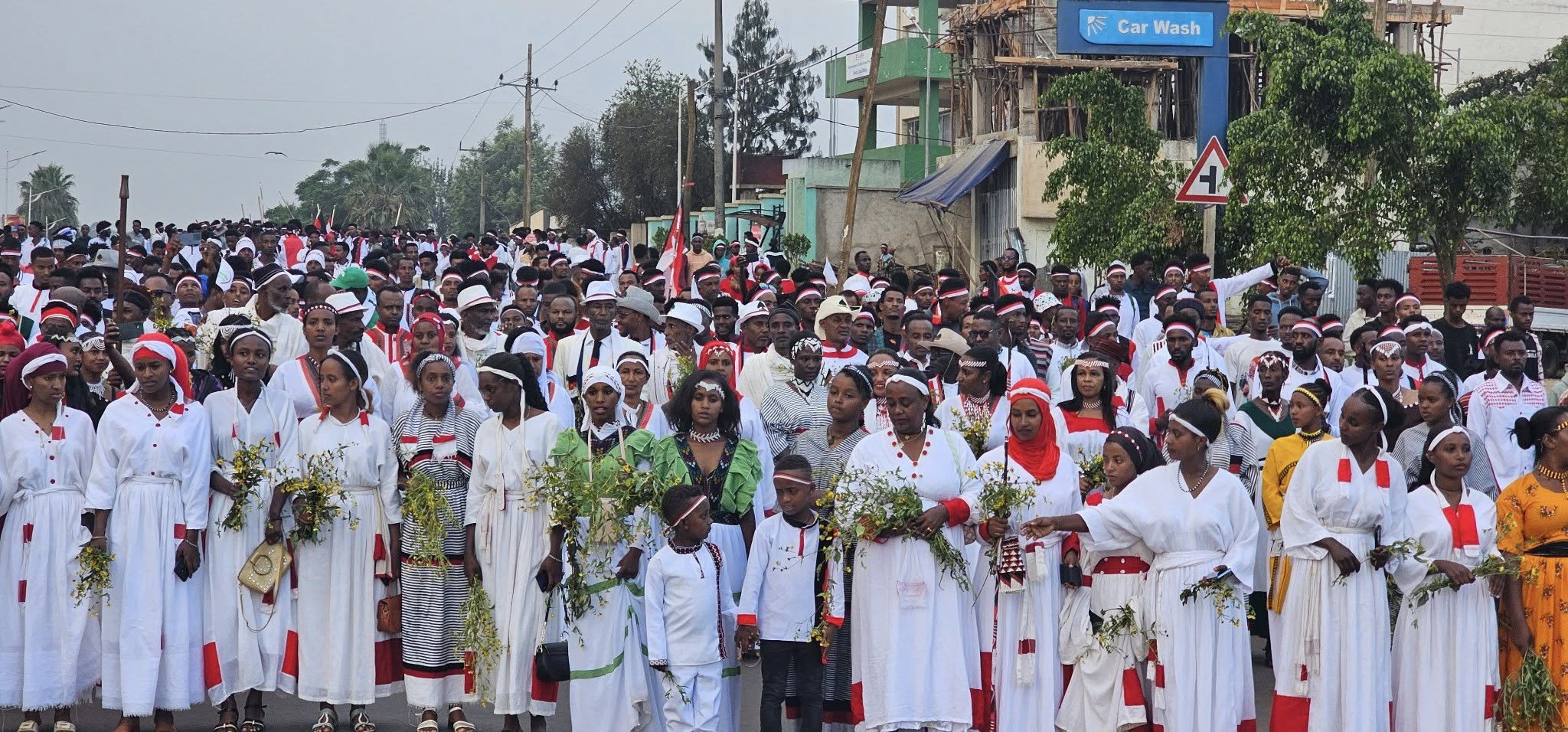
In the grand, often turbulent narrative of a people’s struggle for self-determination, the image of victory is frequently one of dramatic rupture—a flag raised over a captured building, a treaty signed, an enemy defeated. Yet, a more profound and enduring vision is emerging from within the Oromo struggle, one that redefines triumph not as a moment of conquest, but as the culmination of a patient, transformative process. It posits a simple but radical truth: true victory for the Oromo will come from winning hearts and minds, not from terrorising people. It will come if we broaden the teaching of civics and nonviolence at the grassroots level.
This perspective is a strategic and moral recalibration. It acknowledges that regimes sustained by fear can be toppled by force, but the societies that emerge from such clashes are often brittle, fractured, and haunted by the ghosts of the very oppression they sought to escape. The victory born of terror is a poisoned chalice; it may grant power but destroys the social fabric necessary for a just and sustainable peace.
Winning hearts and minds, therefore, is not a soft alternative to action; it is the most demanding front of the struggle. It is a campaign fought in living rooms, classrooms, and marketplaces. It requires dismantling, through persistent dialogue and example, the decades of state propaganda that have demonized Oromo identity and aspirations. It means presenting the Oromo quest not as a threat to others, but as a pursuit of justice, equity, and shared prosperity within the Ethiopian mosaic and on the world stage. This victory is secured when a neighbor, a colleague, or a fellow citizen comes to understand nagaa Oromoo (Oromo peace) not as a separatist slogan, but as a holistic vision for a better society for all.
The engine for this transformation is identified clearly: the grassroots teaching of civics and nonviolence. This is the long-term, generational work that underpins the political struggle. To broaden this teaching is to invest in the intellectual and ethical infrastructure of the future.
Civic education, in this context, moves beyond dry textbook definitions of government structures. It becomes the teaching of the Gadaa system’s principles of rotational leadership, balanced governance, and social accountability. It is about understanding rights and responsibilities, the mechanisms of participatory democracy, and the art of building institutions that serve rather than subjugate. It empowers individuals to see themselves not as subjects, but as citizens—architects of their own political destiny.
Nonviolence education is its indispensable partner. It is not passivity, but a disciplined, powerful methodology. It teaches the tools of strategic civil resistance, conflict resolution, and moral persuasion. It builds the resilience to absorb oppression without mirroring its hatred, and the courage to confront injustice while upholding the humanity of all involved. This education draws from global figures like Martin Luther King Jr. and Mahatma Gandhi, but also from the deep Oromo wells of safuu (moral and ethical balance) and the conflict-resolution mechanisms embedded in their own traditions.
The call to action is clear: the struggle’s frontline must extend into every community school, every youth group, every online forum, and every family discussion. It requires developing curricula, training facilitators, and creating spaces where the next generation learns that their greatest power lies in their unity, their moral clarity, and their capacity to organize peacefully.
This path to victory is longer and less dramatic. It offers no quick, cathartic battles. Its milestones are quieter: a prejudiced view changed, a young person equipped to lead with integrity, a community that resolves internal conflict through dialogue. Yet, this is the victory that endures. It is the victory that builds a nation from the inside out, on a foundation of consent and shared belief, rather than on the rubble left by fear.
Ultimately, the liberation of the Oromo people will be secured not when an enemy army is routed, but when the idea of a free, just, and self-governing Oromia becomes an undeniable, commonsense truth in the hearts of its own people and the conscience of the world. That is the victory worth the long walk—a victory sown by teachers, nurtured by communities, and harvested in the lasting peace of a people who freed not just their land, but their future.
 Oromedia