
Feature Commentary: “The Poisoner of Kabbee” – Dejazmach Kebede Bizunesh and Ethiopia’s Unwritten Heroics
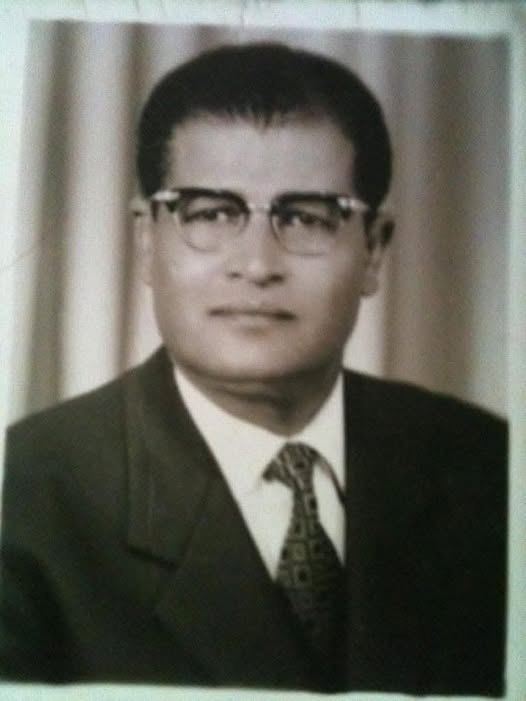
In the grand narrative of Ethiopian resistance, certain names are etched in official memorials, their deeds woven into the national tapestry. Others, equally monumental, exist in the quieter spaces of oral tradition and regional memory, their full stories waiting to be reclaimed. The story of Dejazmach Kebede Bizunesh—the guerrilla commander known by his formidable nom de guerre, “Kabbee Abba Marzu” (The Poisoner of Kabbee)—belongs powerfully to this second category. He is a figure who challenges the simplistic binaries of Ethiopian history, embodying a complex loyalty to both a unified Ethiopia and the specific rights of his Oromo people.
His legend was forged in the fire of the Italian invasion. As a local administrator in Ada’a Berga, he did not hesitate or collaborate. He vanished into the forests, declaring, “I refuse for my country! I refuse for my freedom!” Leading a band of fierce young “teqaqi” (guerrilla fighters), he became a specter haunting the occupiers in Meta Robi and Ada’a Berga. His tactics were as cunning as they were brutal. He mastered the use of poison—contaminating food and water—earning him the fearsome nickname that became his primary identity in folk poetry. A popular verse of the time captured his dual heritage:
Ilma Addee Bizuu (This is the son of Weyzero Bizu)
Kabbee Abbaa Marzuu (The Poisoner of Kabbee)
This was no mere bandit. His audacious raid on an Italian weapons depot, seizing arms for the patriot cause, and his leadership of one of the battalions that triumphantly re-entered Addis Ababa, marked him as a national hero of the highest order. Emperor Haile Selassie recognized this, bestowing upon him the title of Dejazmach, vast lands, and high honors.
Yet, Kebede Bizunesh’s story takes a profound turn in the post-liberation era, revealing the conscience of the man behind the warrior. His heroism was not exhausted on the battlefield against a foreign invader; it evolved into a quiet, radical form of domestic advocacy. As a founding member and major benefactor of the Mecca and Tulama Self-Help Association, he demonstrated a deep commitment to Oromo social and economic advancement. In an act of staggering generosity and political principle, he donated half of his vast land grant to the Association and distributed most of the remainder to landless Oromo peasants, retaining for himself and his family an amount “no greater than that of two farming families.”
This commitment to justice defined his final act. When the Derg regime, freshly in power in 1974, began its ruthless extrajudicial purge of former officials, the 74-year-old retired Dejazmach did not retreat into fearful silence. He wrote a bold letter to the new rulers, condemning their lawless violence. Hunted for this act of defiance, he made a stunning choice: the old patriot returned to the hills. Taking up arms once more, he led a resistance band in the mountains of Shewa until he fell in a fierce battle in May 1975.
Kebede Bizunesh’s end is a poignant coda to a life of unwavering principle. He could have lived in quiet retirement on his modest remaining plot. Instead, he chose to die on his feet, resisting a new form of tyranny. His final rebellion was not just against the Derg, but against the very idea that silence is an option in the face of injustice.
His legacy thus exists in two realms. In the national narrative, he is a hero of the Arbegna (Patriot) movement against Italy. In the Oromo narrative, he is a pioneering benefactor and a symbol of dignified resistance against internal oppression—a man who used his imperial prestige to empower his people and who ultimately sacrificed his life protesting their mistreatment.
“Kabbee Abba Marzu” reminds us that Ethiopian history is layered with such dual loyalties, where love for the nation and advocacy for one’s people are not contradictions but intertwined passions. To rediscover his story is to recover a more nuanced, courageous, and complete understanding of the Ethiopian past—one where the greatest heroes are often those who fought for freedom on multiple fronts, and whose final stand was a testament to a conscience that never retired.
 Oromedia