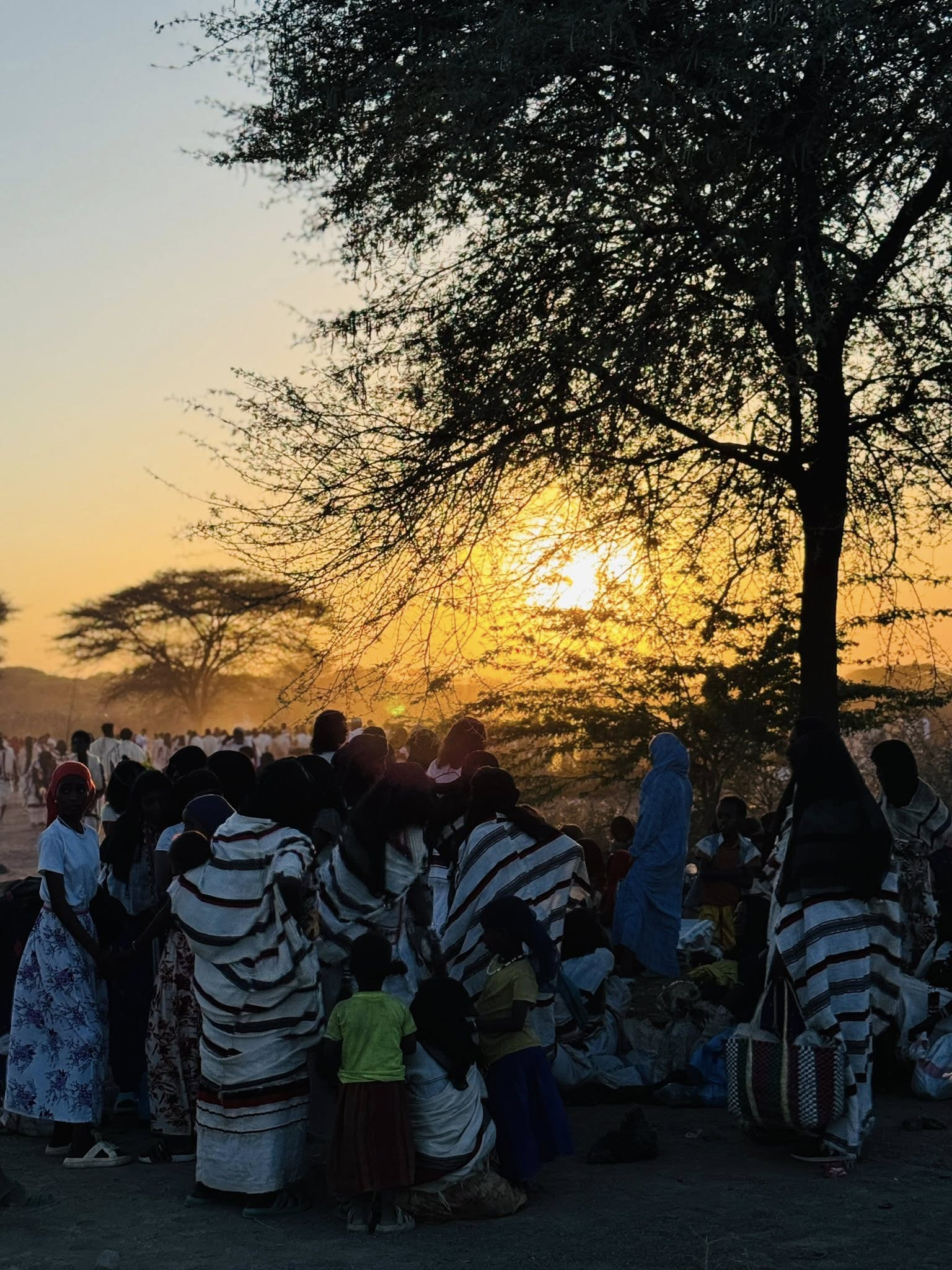
Tarree Leedii is both a sacred ritual site and the name of a future Gadaa class (luba) within the Karrayyuu Gadaa system. In the recent Karrayyuu Gadaa assembly, it functions as the historic Ardaa Jilaa/Goobaa ground where core power‑transition and governance rituals are conducted.
As a sacred assembly ground
– Tarree Leedii is described as Ardaa Jilaa, a consecrated ritual landscape where the Sirna Goobaa (Gadaa assembly) is held for debate, conflict resolution, and community decisions.
– It is portrayed as a historic cornerstone of Karrayyuu socio‑political life, where dawn gatherings link governance with Waaqeffannaa cosmology and collective blessings.
As a named Gadaa class
– Recent reports on Karrayyuu revival of Gadaa indicate that “Tarree Leedii” is also the designated upcoming Gadaa set (luba) scheduled to assume leadership after completing its long ritual preparation.
– Naming Tarree Leedii as a future ruling cohort is framed as strategic long‑term planning, organizing leadership succession for many decades in advance within the Michillee Gadaa cycle.
Role in the latest assembly
– The latest Karrayyuu Gadaa gatherings and peaceful hand‑over ceremonies are reported as taking place specifically at Tarree Leedii, underscoring its role as the legitimate Goobaa of Karrayyuu.
– These events use Tarree Leedii to publicly affirm continuity of Gadaa authority, community-led governance, and the reactivation of indigenous institutions in Fantalle/Fantaallee area.
Tarree Leedii is historically significant as a sacred Karrayyuu Oromo assembly ground and as the name of a future Gadaa generation that embodies long‑term indigenous governance planning. It symbolizes both ancestral authority and a renewed contemporary commitment to Gadaa-based self‑rule.
Sacred assembly ground (Ardaa Jilaa)
– Tarree Leedii is described as an Ardaa Jilaa, a consecrated site where the Sirna Goobaa (Gadaa assembly) convenes to deliberate law, justice, and social order for the Karrayyuu.
– Historically it functioned as a cornerstone of Karrayyuu socio‑political life, where dawn gatherings linked governance with Waaqeffannaa rituals, ancestral wisdom, and communal healing.
Revival of Gadaa governance
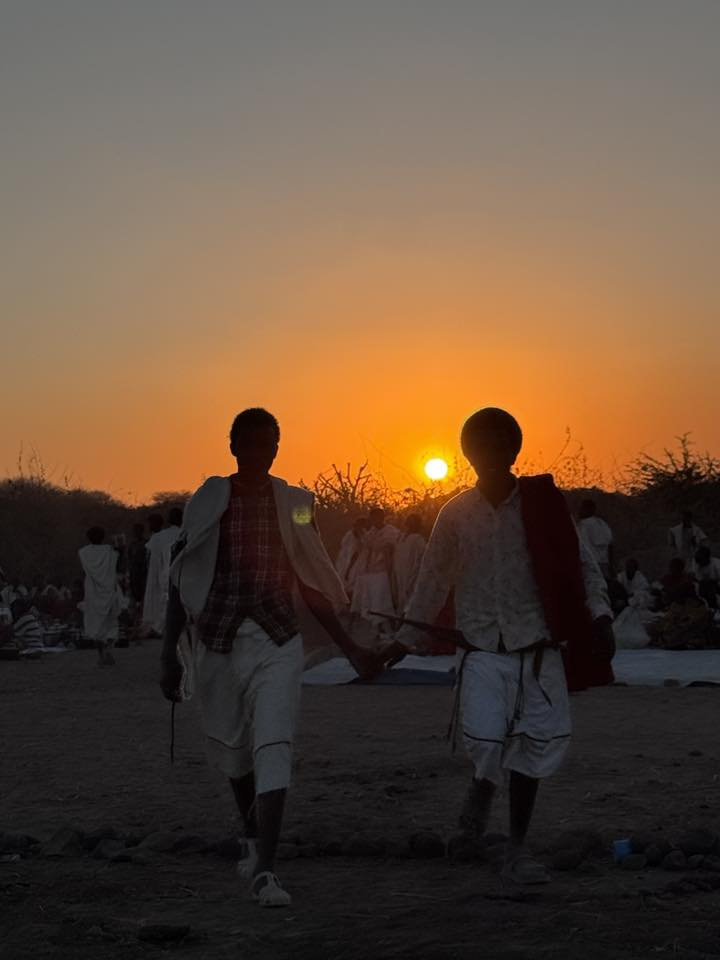
– Holding the recent “dawn reclamation” Goobaa specifically at Tarree Leedii marks a public restoration of the Karrayyuu Gadaa assembly after periods of disruption and marginalization.
– This revival at the historic site has become a symbol of grassroots cultural renaissance and assertion of Oromo indigenous governance in contemporary Fantalle/Fantaallee.
Long-horizon leadership planning
– In the current Karrayyuu process, Tarree Leedii is also the name of the newly designated Gadaa class (luba) that will assume leadership after completing the full Michillee cycle.
– Elders explain that naming the Tarree Leedii set now organizes leadership succession roughly 80 years ahead, making the name a historical marker of deep time political planning within the Gadaa system.
Spiritual and pan‑Oromo meaning
– Tarree Leedii is tied to the rekindling of the sacred Jila fire, which is framed as a beacon of identity, continuity, and the “living pulse” of Gadaa in Karrayyuu land.
– By inviting Oromos from all regions to attend the Buttaa Qalaa of Tarree Leedii, the site gains wider historical significance as a national reference point for Oromo unity and shared heritage.
What’s Tarree Leedii in Karrayyuu Gadaa assembly?
Tarree Leedii in the Karrayyuu Gadaa assembly is both a sacred Goobaa (assembly ground) and the generational class that is taking over leadership in the current power‑transfer cycle. It is therefore at once a place, a moment in the cycle, and a named luba that structures succession in Karrayyuu governance.
As sacred Goobaa / Ardaa Jilaa
– Tarree Leedii is described as the historic Gadaa assembly ground (Goobaa) and Ardaa Jilaa where Karrayyuu Oromo gather to conduct the highest Gadaa rituals and collective decision‑making.
– Recent ceremonies emphasize it as the legitimate space for peaceful transfer of power, oath‑taking, blessings, and reaffirmation of Karrayyuu laws and norms under Waaqaa.
As incoming Gadaa class
– “Tarree Leedii” is also the name of the incoming Gadaa class to which the current ruling Michillee group is ritually transferring the Goobaa (symbolic leadership staff) during the Buttaa Qalu ceremony.
– This class name marks its place in the long Gadaa timeline, organizing succession decades in advance and embodying the continuity of Karrayyuu political authority.
Role in the current transition
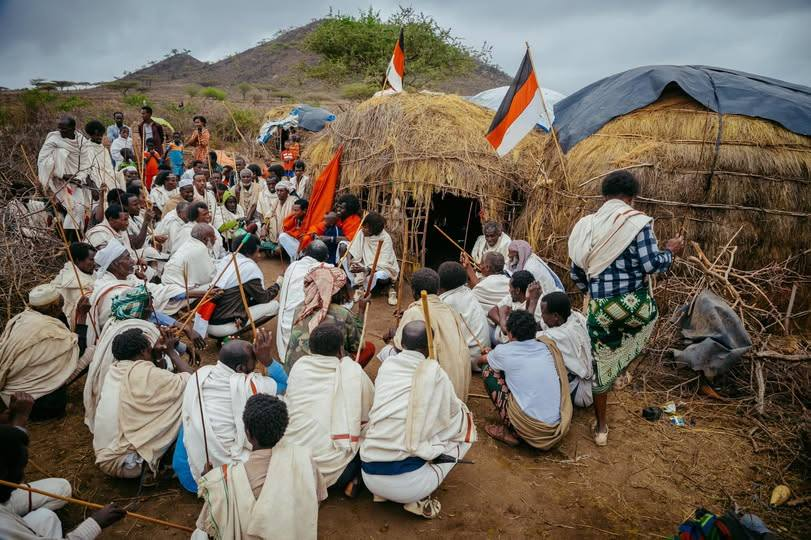
– The current sacred migration and gathering are framed as the journey of the outgoing Michillee class to the territory and Goobaa of Tarree Leedii to complete the handover of authority.
– Because of this, Tarree Leedii has become a public symbol of Karrayyuu resilience, cultural survival, and the living practice of democratic transition in the Gadaa system.
Describe the role of Tarree Leedii in the Karrayyuu Gadaa system
Tarree Leedii plays a dual role in the Karrayyuu Gadaa system: it is the sacred Goobaa (assembly ground) where core rituals and governance take place, and it is the name of an incoming Gadaa generation that structures leadership succession. Through both roles, it anchors continuity of spiritual life, law, and political authority among the Karrayyuu Oromo.
Sacred assembly and ritual space
– Tarree Leedii is the Ardaa Jilaa/Goobaa where Karrayyuu hold high Gadaa rituals such as Goobaa debates, oaths, blessings, and conflict resolution, under the authority of elders and Qaalluu.
– It hosts key ceremonies like the dawn gathering and Buttaa/Buttaa Qallu, where the community renews its covenant with Waaqaa and reaffirms Gadaa laws and moral order.
Center of power transfer
– During Gadaa succession, Tarree Leedii functions as the official ground for the peaceful transfer of power (sirna dabarsaa aangoo) from the outgoing Michillee class to the incoming leadership.
– The symbolic handover of authority objects and blessings at Tarree Leedii legitimizes the new luba and publicly marks the start of its eight‑year term.
Named Gadaa generation (luba)
– “Tarree Leedii” is also the name of the incoming Gadaa class in the current cycle, indicating a specific cohort in the long sequence of Karrayyuu generations.
– By naming and preparing Tarree Leedii as a luba, elders organize leadership succession many decades ahead, ensuring structured rotation and stability within the system.
Symbol of cultural continuity
– Recent accounts describe Tarree Leedii as a symbol of Karrayyuu resilience and the revival of indigenous governance after periods of disruption and pressure.
– Its use for large, inclusive gatherings draws wider Oromo attention, turning the site into a reference point for pan‑Oromo unity and the living **Gadaa** heritage.
 Oromedia