
From the High Places: Irreechaa Tulluu and the Unbroken Covenant
Commentary
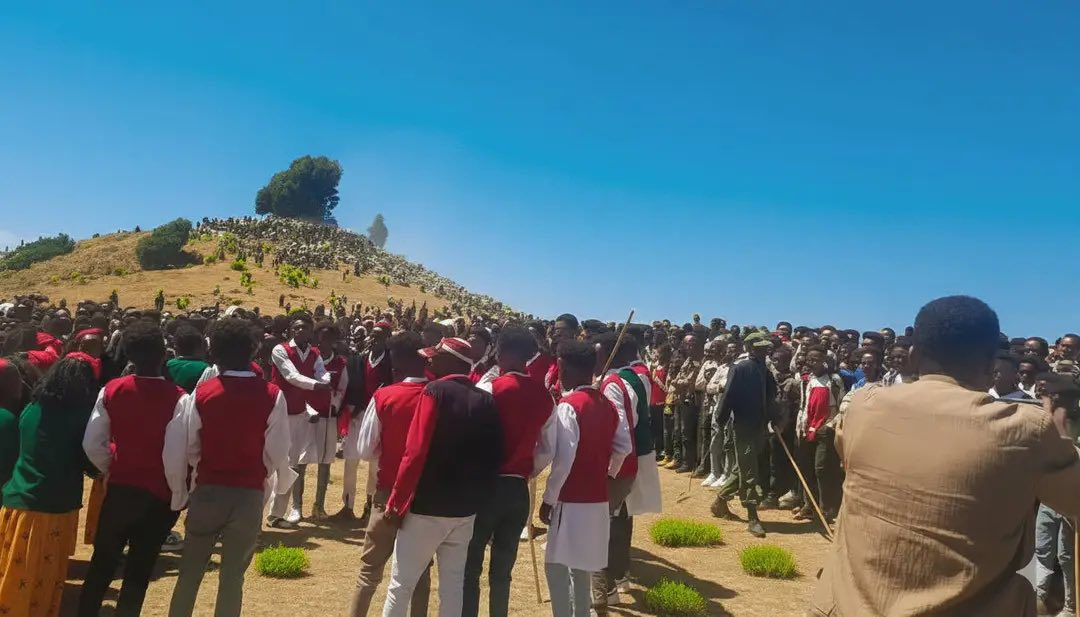
From the vantage point of Barak Mountain in Sandaafaa Bakkee, one sees more than a breathtaking panorama of Oromia. As the community ascends its slopes during Irreechaa Tulluu, dressed in radiant white and carrying symbols of peace, one witnesses a profound and defiant act of continuity. This is not merely a “colorful festival” or a tourist attraction—though its beauty is undeniable. It is a living geopolitical statement, a spiritual audit, and a masterclass in ecological philosophy, all performed in perfect harmony with the turning of the Earth.
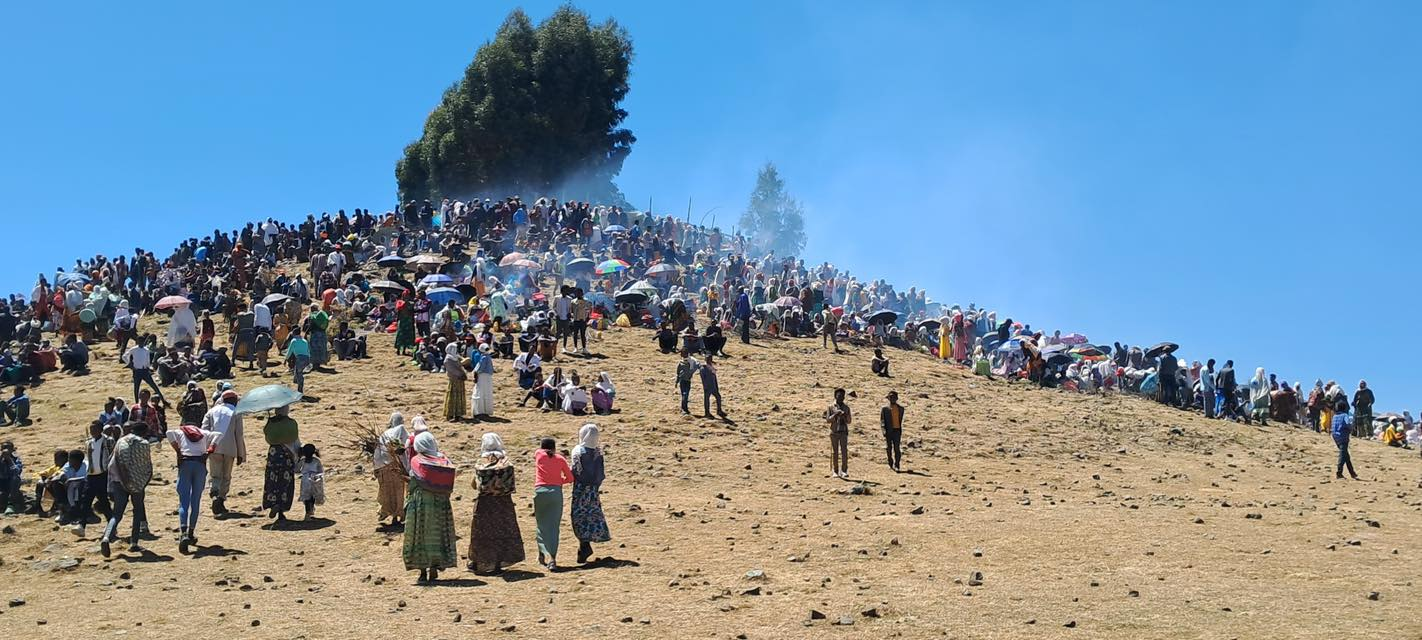
To understand Irreechaa is to reject a linear, monothetic view of time and progress. The Oromo worldview, embedded in the Gadaa system, is cyclical and deeply integrated with the natural world. The two celebrations of Irreechaa—Arfaasaa by the water at the rain’s birth, and Tulluu on the mountain at the harvest’s completion—form a sacred ecological bracket. They are the seasonal rituals of a people who see themselves not as masters of the environment, but as conversational partners with it. The ascent to Barak Mountain is a physical manifestation of this relationship: a community rising to meet its Creator at a point between heaven and earth, carrying the fruits of the soil as evidence of a covenant kept.
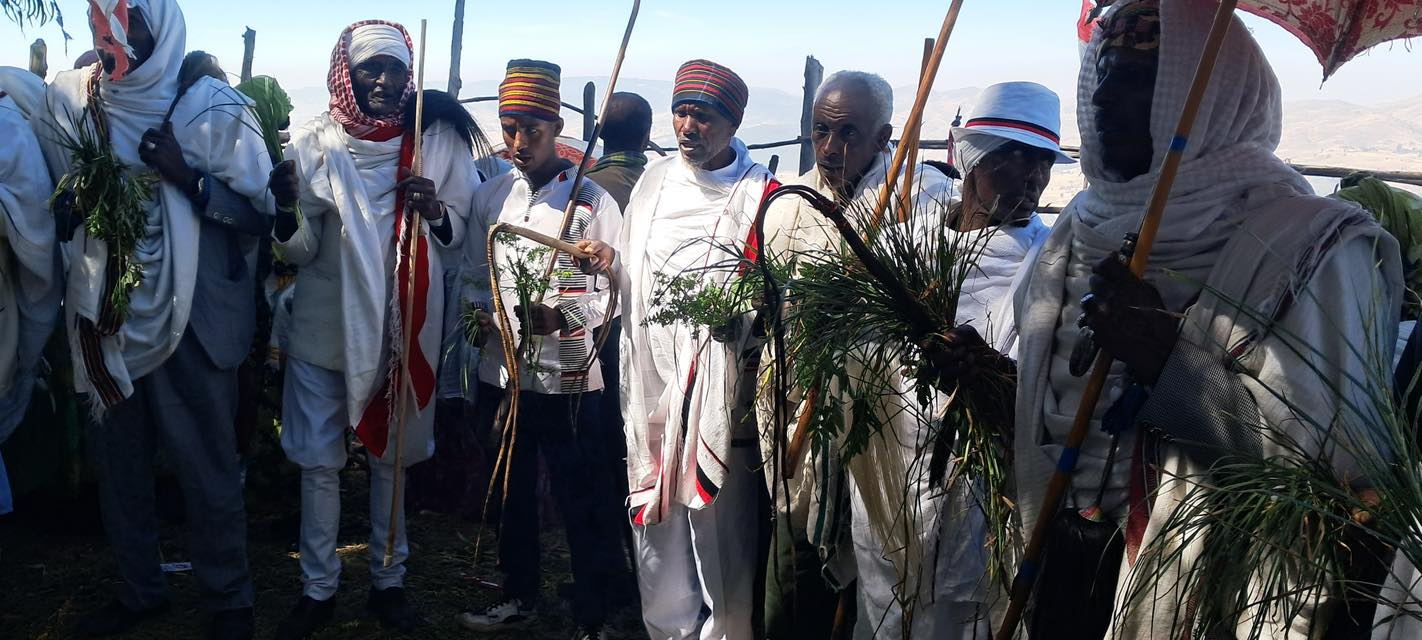
The central act of offering thanks to Waaqaa is deceptively simple. In a modern global context obsessed with petitionary prayer—asking for things—the Oromo emphasis on pure gratitude is revolutionary. The elders lead the people not to beg for future bounty, but to acknowledge past and present sustenance. This posture of gratitude is the foundation for the parallel prayer for peace (nagaa). They understand, intrinsically, that peace is not merely the absence of conflict but the presence of holistic balance—social, ecological, and spiritual. You cannot sincerely give thanks for the harvest while sowing discord in the community or pillaging the land. Irreechaa Tulluu, therefore, becomes an annual recalibration, a check to ensure that the people’s actions are aligned with the principles of balance for which they pray.
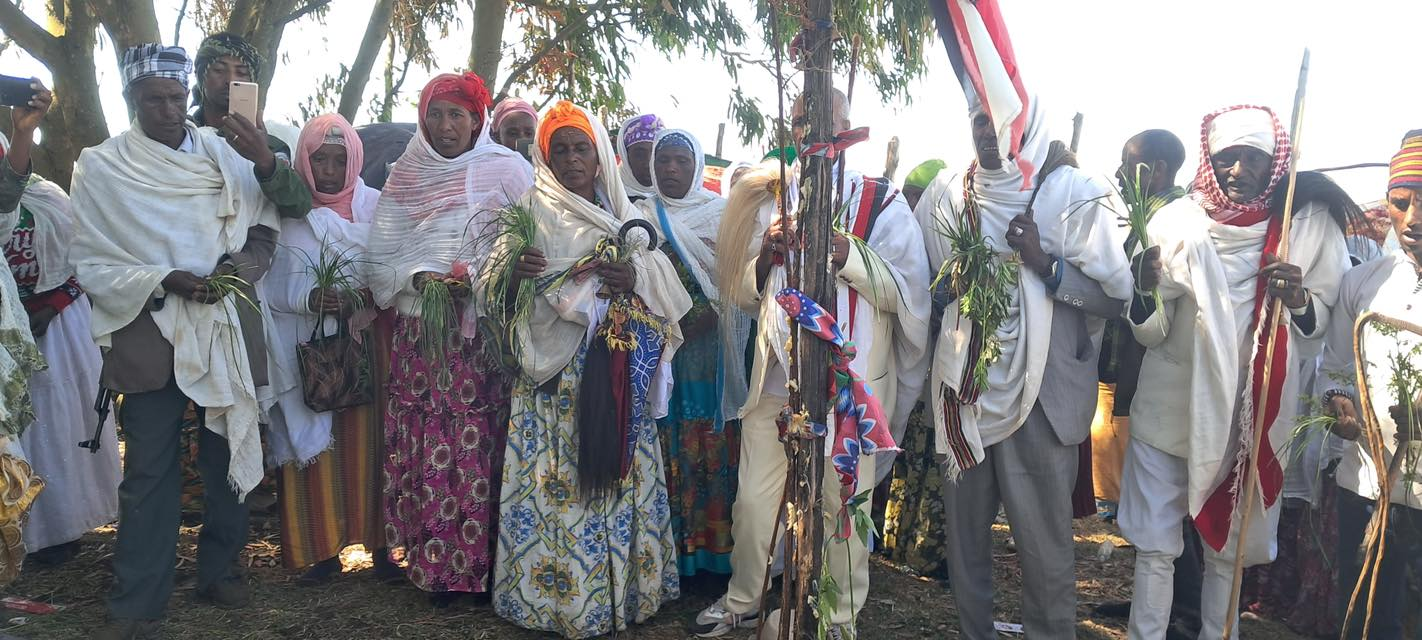
Furthermore, in the specific context of Oromo history, this public, peaceful, and massive assertion of cultural identity on a mountaintop carries undeniable political weight. For decades, the open celebration of Irreechaa and the expression of Oromummaa were suppressed, driven underground, or met with violence. The fact that crowds now climb Barak Mountain freely, their voices raised in Geerarsa (praise songs) without fear, is a testament to a hard-won space. The festival is a quiet but powerful reclamation of the landscape, both physical and symbolic. It declares: We are here. Our language, our faith, our calendar, and our relationship with this land are enduring.
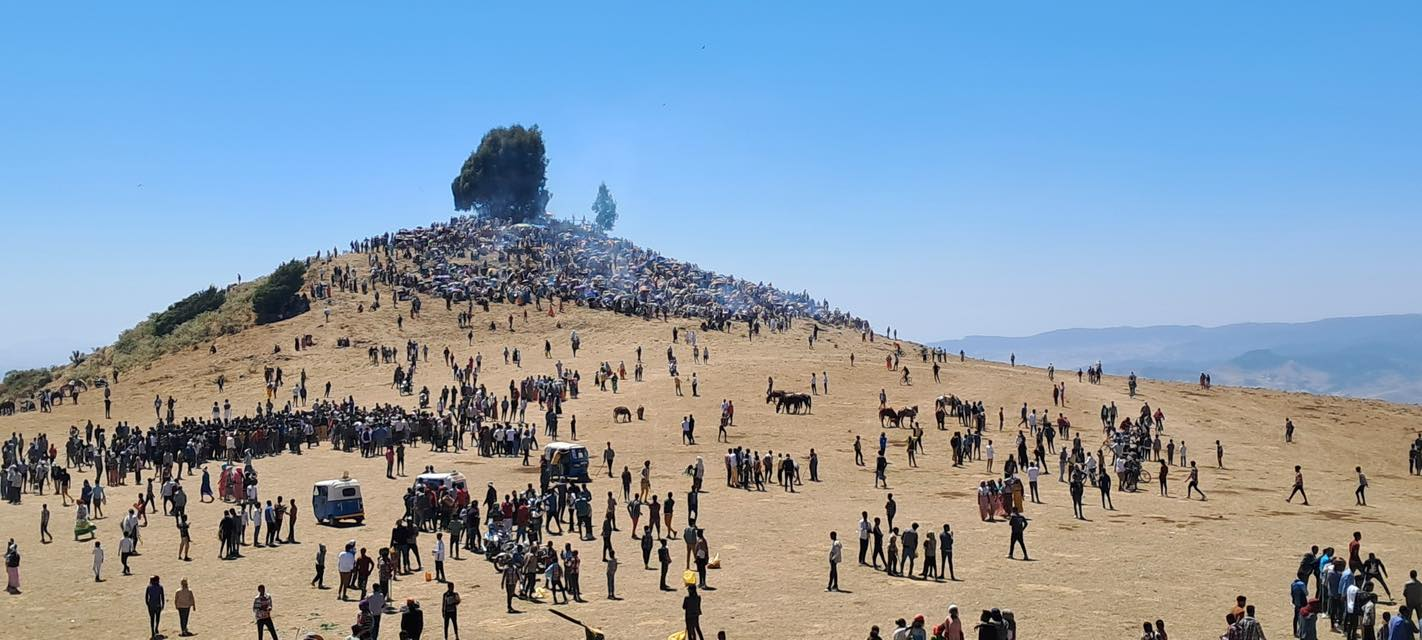
Yet, the very act of commentary risks exoticizing Irreechaa, framing it as a timeless artifact. The true power of the ritual lies in its dynamic timelessness. While the core principles are ancient, the festival is alive. The elders leading the procession are not re-enactors; they are living conduits of tradition, interpreting ancient wisdom for contemporary challenges. The youths climbing beside them are not passive spectators; they are the next custodians, who will one day bear the responsibility of guiding the ascent.
When the call goes out to “witness the sacred beauty,” it is an invitation to understand a different way of being in the world. It is an invitation to see a philosophy where gratitude precedes demand, where ecology is theology, and where community resilience is forged not in opposition to nature, but in concert with it. As the flowers and grasses are offered on Barak Mountain, they symbolize more than a successful harvest. They represent a resilient culture, rooted deep in its soil, yet reaching ever upward, in gratitude, for peace, and for a future written in harmony with the seasons yet to come.
#IrreechaaTulluu #OromoWisdom #EcologicalPhilosophy #CulturalResilience #GadaaSystem #Oromia
 Oromedia