By Maatii Sabaa
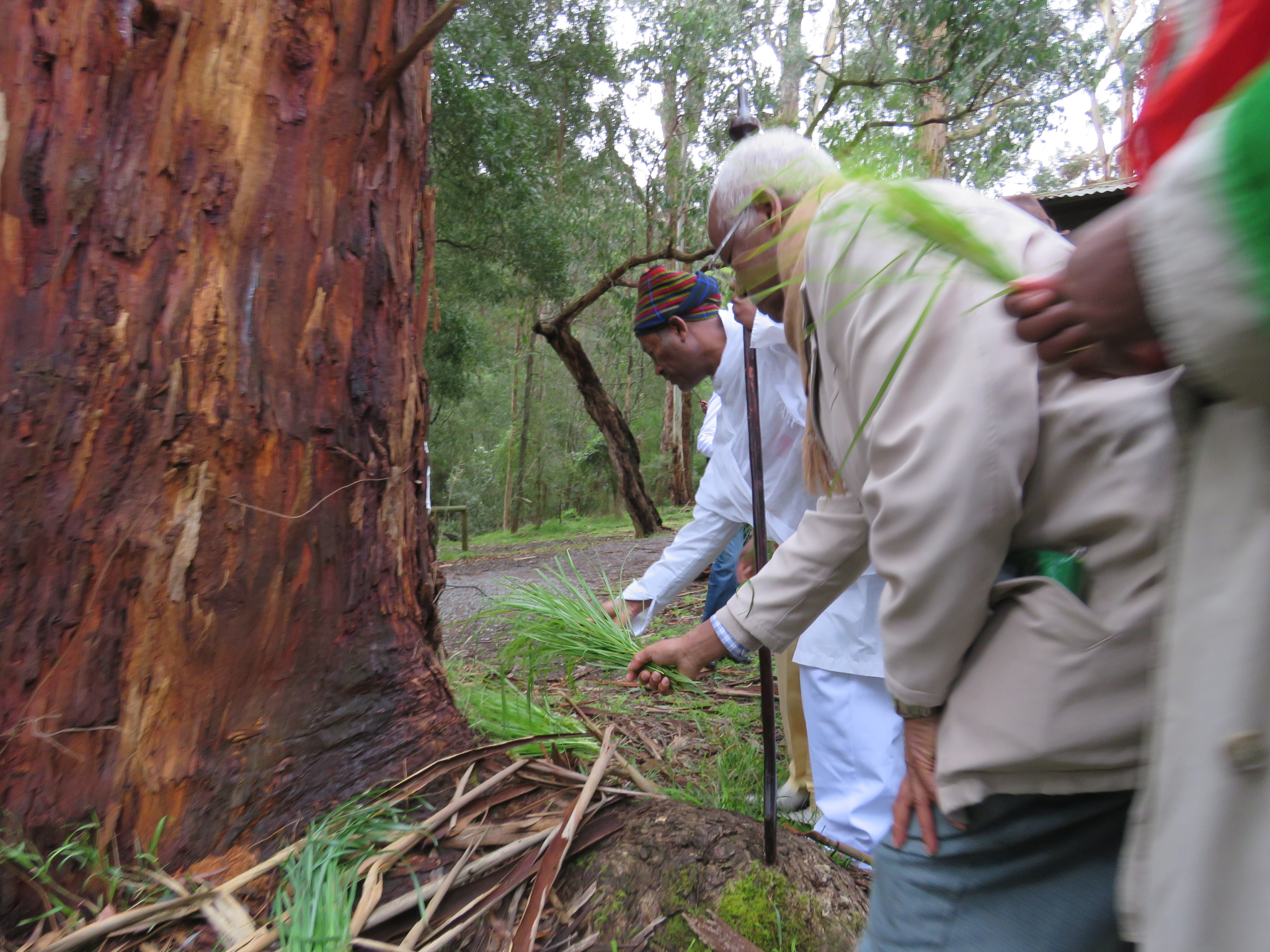
Victoria, Melbourne — On a quiet Friday afternoon, December 12, 2025, the snow-dusted streets of a Melbourne neighborhood gave way to the warm hum of conversation and the rich aroma of buna (coffee) brewing. The gathering was not in a community hall or a place of worship, but in the unassuming home of Mr. Hayile Qeerransoo. Here, members of the local Oromo diaspora came not for a public celebration, but for a private, profound act of cultural fidelity: to honor an elder who has stepped back from the world.
The visit, organized by community members, was a living enactment of the Oromo principle of guma—a sense of collective duty and respect. Mr. Hayile, a respected elder and former community pillar, has lived a more secluded life in recent years, a circumstance deepened by the passing of his wife a few years ago. Recognizing the weight of such solitude, the community decided to bring the companionship to him.
“We came to express our affection and our gratitude,” said one attendee, who asked not to be named to preserve the gathering’s intimate nature. “He has given so much of his life—to our community here, to our struggles, to preserving our identity in a new land. It is our turn to give back, even if it is just our presence.”
The act is a direct reflection of a deep-rooted Oromo cultural tradition of supporting and honoring elders, known as jaarsummaa. Elders are not merely seniors; they are considered living libraries of history, jurisprudence through the Gadaa system’s principles, and moral compasses. Honoring them is not optional; it is essential to the social fabric.
“In our culture, when an elder withdraws, we do not forget,” explained Mr. Benti Olika, a cultural advocate familiar with Oromo customs. “We seek them out. We sit with them. We remind them they are valued not for what they can do for us now, but for who they are and what they have already given. This visit is a modern, diaspora adaptation of a timeless practice—it is gumaachaa, the act of fulfilling that social and moral obligation.”
As guests filled his living room, sharing stories, laughter, and quiet moments of reflection, Mr. Hayile was visibly moved. When he spoke, his voice, though softer than in his activist years, carried the weight of experience. He offered thanks not for the honor, but for the companionship.
“He thanked us for remembering him, for bringing life back into his home,” shared the event’s organizer. “There were no grand speeches. The power was in the simple act of being together. He reminded us of old stories, of the unity we must maintain.”
This gathering exemplifies how Oromo communities, even thousands of miles from their homeland, actively cultivate the ceremonies that sustain their identity. While large public events recognize prominent pioneers, it is often these smaller, private acts of jaarsummaa that keep the cultural spirit most authentically alive. They ensure that those who fought for justice, preserved language, and provided guidance in times of dislocation are not left in isolation.
The ceremony at Mr. Hayile’s home was a quiet masterpiece of cultural preservation. No official decrees were issued, no certificates awarded. Yet, in the pouring of coffee, the shared meals, and the respectful listening, a powerful transaction occurred. The community reaffirmed its values, and an elder was woven back into the collective heart, proving that in Oromo tradition, no one who has given of themselves is ever truly alone.
 Oromedia