
Feature Commentary: Odaa Roobaa – The Fading Fountain of Gadaa Law
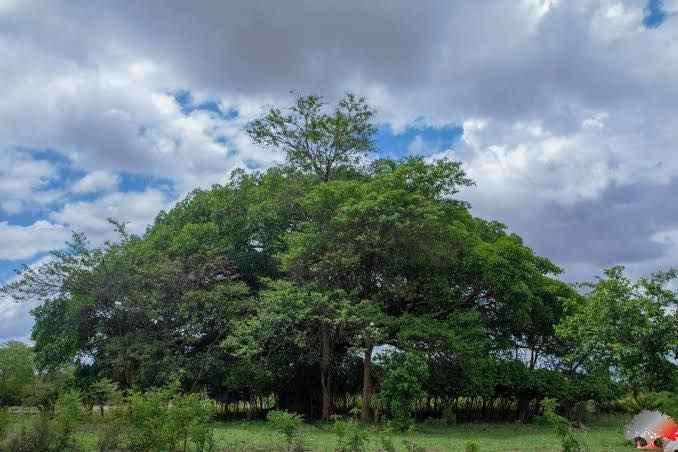
In the heart of the Baale region stands one of the five great sacred trees anchoring the Oromo universe: Odaa Roobaa. It is not merely a tree; it is hallowed ground, revered as the very site where the foundational laws of the Gadaa system were first proclaimed and watered into existence for the Oromo nation.
As explained by Abdulkariim Abdii Roobaa, head of the Baale East Culture and Tourism Office, Odaa Roobaa holds a distinct and elevated status. While all five major Odaa are ancient, Odaa Roobaa is considered the primal source—the madda seeraa—the fountainhead from which the laws flowed. This belief elevates it beyond just a ritual site; it is seen as the birthplace of constitutional thought for one of the world’s most sophisticated traditional democratic systems.
The name itself, Roobaa (Rain), is profoundly symbolic. It evokes the image of life-giving wisdom showering down upon the people, nurturing the seeds of justice, governance, and social order. For centuries, this tree has been a living monument to that moment of genesis.
However, a dire warning now echoes from its shade. The very custodians of the site—the cultural officials and the Abbaa Gadaa of Odaa Roobaa—raise a stark alarm to voices like the VOA: the boundaries of this sacred land are being encroached upon, and its guardianship is collapsing.
This is a crisis that strikes at the root of cultural memory. The erosion of Odaa Roobaa’s perimeter is not just a property dispute; it is the fraying of a sacred covenant with history. The reported failure of its protection signifies a dangerous disconnect, a lapse in the solemn duty to safeguard the physical source of intangible heritage.
The response from the Baale East Culture and Tourism Office, that they are working with the main Bureau to address the issue, is a necessary bureaucratic step. Yet, it underscores a painful reality: that a site of such foundational importance requires emergency intervention to survive.
Odaa Roobaa today stands at a precipice. It represents the immense struggle between the enduring weight of history and the relentless pressures of the present. Its plight is a microcosm of the challenges facing indigenous heritage globally. If the place where the laws were born cannot be protected, what does that say about the future of the laws themselves and the identity they sustain?
The “Rain” of Odaa Roobaa once nurtured a system of self-governance. Now, it risks being silenced by the drought of neglect. Preserving this tree is more than conservation; it is an act of defending the very ground where a nation’s idea of justice first took root.
 Oromedia