The Anchor of Maccaa Oromo Identity
Tucked away in the Iluu Galaan district of West Shewa, Oromia, lies a place that is far more than a geographic location. Odaa Bisil, one of the five major Odaa (central meeting and governance sites) of the Oromo people, is a living archive of history, politics, and cultural memory for the Maccaa Oromo.
Its very name whispers significance. “Bisil” translates to “a place that is suitable, complete, or fertile for everything.” This is not just a description of its natural wealth—lush grazing land, water sources, and fertile soil—but a metaphor for its role as a nourishing center for community, law, and spirit. An alternative origin story roots it in the name of a revered elder, Bisil Osolee, tying the land directly to the people who have stewarded it for generations.
The Heartbeat of Gadaa and the Pain of Division
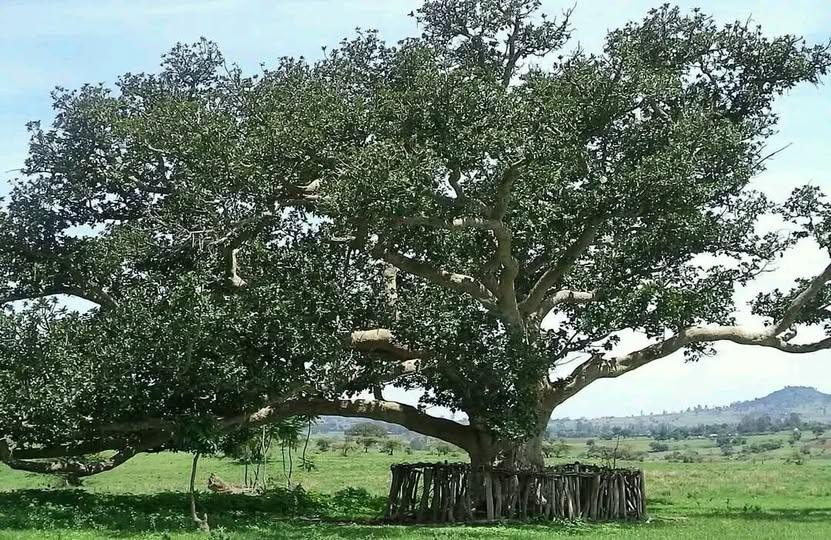
Odaa Bisil’s core historical function was as a seat of the Gadaa system, the Oromo’s sophisticated democratic socio-political order. For centuries, it was here that laws were deliberated, leadership transitions were ratified, and the collective destiny of the people was shaped. It was the parliament, the supreme court, and the cultural epicenter, all under the shade of its symbolic Sycamore trees.
However, its history also holds the echoes of conflict. Oral traditions and local elders speak of a time when the unity around Odaa Bisil fractured. The reasons are etched in universal human struggles: population growth, competition for dwindling resources, and inevitable internal disputes. The division of the Gadaa governance at Odaa Bisil is a poignant chapter, reminding us that even the most resilient systems are tested by changing circumstances.
A Tapestry of Places Within a Place
The area isn’t a single spot but a constellation of significant sites, each with its own role and name: Xuxee Bisil (the summit), Qobbii Bisil (the ritual center), Buddoo Bisil, Caffee Bisilii (the assembly ground), and Hora Bisil (the sacred pool). This intricate landscape shows how every hill, clearing, and spring was integrated into a complex socio-ecological and spiritual system.
Reclamation and Renaissance
For a period, this vital legacy faced neglect. But the story of Odaa Bisil today is one of powerful cultural reclamation. Driven by Gadaa councilors, community elders, and local institutions like the Iluu Galaan Culture and Tourism Office, there has been a concerted effort to restore its honor.
A landmark moment came on February 30, 2001 (a culturally significant date). On that day, thousands gathered in a vibrant ceremony to officially re-consecrate and revive Odaa Bisil as a functional center of Gadaa practice. This was not merely a nostalgic event; it was a declaration of identity and a resetting of the cultural compass.
Now, Odaa Bisil has reclaimed its cyclical role in Oromo life. Most prominently, it is one of the primary sites for the annual Irreecha thanksgiving festival. Every year, the green pastures and sacred waters echo once more with prayers, songs, and celebrations, directly linking the present generation to the footsteps of their ancestors.
Conclusion: An Enduring Symbol
Odaa Bisil, therefore, stands as a powerful testament to resilience. It is:
- A Historical Capital: The political heart of the Maccaa Oromo.
- A Cultural Wellspring: The source of rituals, identity, and the Irreecha festival.
- A Symbol of Renewal: A site that was fragmented, forgotten for a time, and has been passionately revived.
It teaches a crucial lesson: cultural heritage is not static. It can suffer fractures, but with conscious effort, memory, and community will, its flames can be rekindled. Odaa Bisil is no longer just a relic of the past; it is a dynamic, living ground where the Oromo people continue to negotiate their history, celebrate their present, and cultivate their future.
 Oromedia