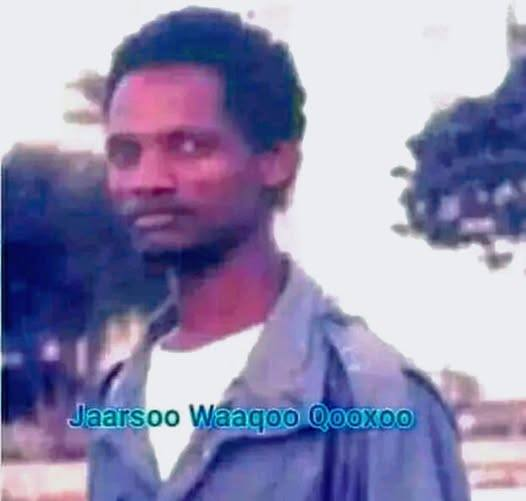
Jaarsoo Waaqoo remains a towering and revered figure in Oromo culture, celebrated as a master oral poet (dhaaduu) and a passionate guardian of tradition. His life and work were defined by a profound commitment to preserving and celebrating Oromo identity, using his art as a tool for cultural affirmation, inspiration, and resistance.
Early Life and Cultural Formation
Born into the Noonituu clan, Jaarsoo was the sixth son of Waaqoo Qooxoo and grew up in the Tuqaa area near Moyale. Despite the early loss of his mother and a lack of formal schooling, he possessed a deep, innate intellect and a fervent passion for Oromo cultural expressions. In his early twenties, he taught himself to read and write his native language using the Latin-based Oromo script (Qubee), demonstrating a determined drive to engage with his heritage.
His true education, however, came from the rich oral traditions of his people. He immersed himself in the art of dhaaduu, the traditional Oromo oral poetry, rapidly evolving from a student of the form to a celebrated master composer and performer.
Artistry and Activism
Jaarsoo began composing and recording his poems in his youth, creating a significant body of work that served as both a cultural archive and a political voice. His works, including the collection known as “Finna San Gama,” are characterized by their wisdom, artistic beauty, and powerful commentary on justice and resilience.
His dedication to his people’s cause extended beyond poetry. He spent a portion of his life actively involved with the Oromo Liberation Front (OLF) guerrilla movement. During this period, his art became even more potent, composing impactful poems that chronicled the struggle and fortified the spirit of resistance.
A Tragic End and Lasting Legacy
Jaarsoo Waaqoo’s life was tragically cut short in his early thirties. During a conflict in the Borana area, facing imminent capture by enemy forces, he chose to end his own life, a final act of defiance that cemented his status as a martyr for his culture and people.
While more formal documentation of his life is limited, his legacy is powerfully preserved through primary sources: the oral histories of his family and clan, the firsthand testimonies of his comrades, and, most importantly, his own recorded poems. These audio archives and transcriptions ensure that his voice continues to resonate, inspiring Oromo cultural and political circles to this day.
Jaarsoo Waaqoo’s story is a testament to the enduring power of oral tradition and the artist’s role as the chronicler and conscience of a people.
 Oromedia