
Feature Commentary
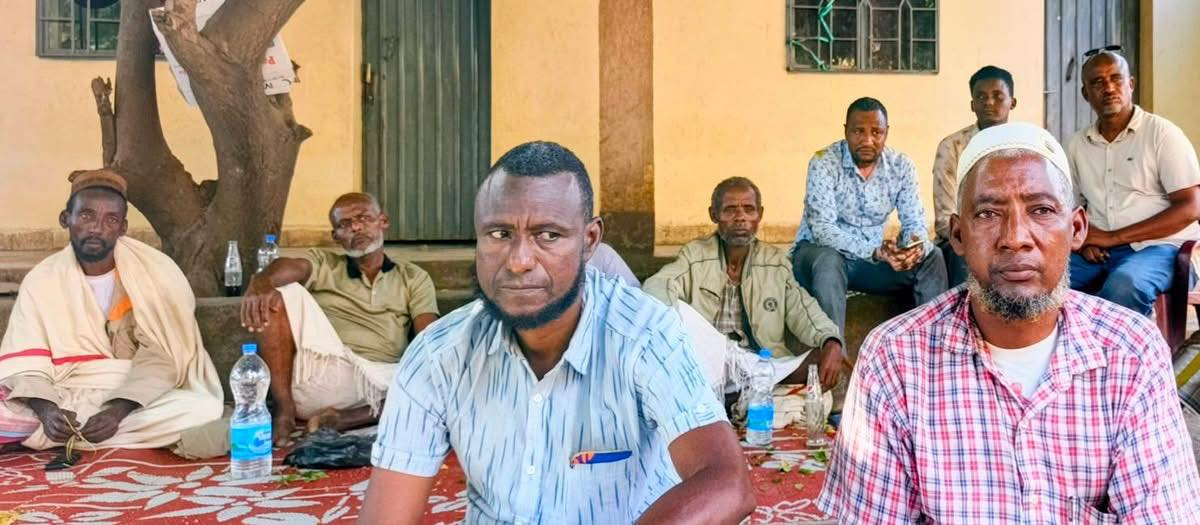
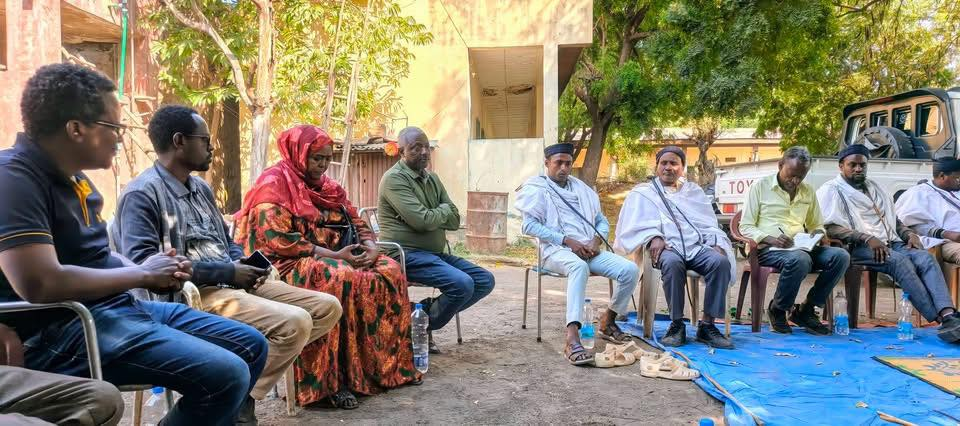
In a significant gathering that bridges clans and generations, Gadaa elders from the Karrayyu Oromo of Boorana Zone convened with their counterparts from the Karrayyu in Fantalle District. Their mission: to deliberate on strategies for strengthening and preserving the intricate Gadaa governance system, a cornerstone of Oromo identity for centuries.
The meeting, held in Fantalle District of the East Shewa Zone, brought a focused dialogue between the Karrayyu and Boorana Oromo communities. It was strategically timed around the “Cidha Buttaa Qalaa” ceremony—the initiation into the Gadaa grade—for the Tuuti Gadaa Michillee Gabalaa Baasoo group, currently taking place at Jila Tarree Leedii. The participation of elders from Boorana in this ceremony underscores the deep, shared commitment to the system’s rituals.
The core of the discussions revolved around a fundamental question: how can the Gadaa system be revitalized and firmly anchored for the present generation, and then seamlessly passed on to future ones without loss or dilution? The elders from Boorana and Fantalle engaged in a collective marii (meeting) to find sustainable answers.
Addressing the assembly, Fantalle District Administrator Obbo Hawaas Carcar acknowledged the profound journey of the attendees. “Among the Karrayyu Oromo, this Gadaa system has a long, enumerated history,” he stated. “Currently, the Tuuti Gadaa Michillee is conducting the 75th stage of the Buttaa Qalaa ceremony at Tarree Leedii. The fact that you have travelled a long distance, claiming this system as your own, is highly commendable.” He emphasized that such forums are crucial for focusing on how to sustain, strengthen, and modernize the Gadaa system for the future.
The commentary on the event’s significance was powerfully summarized by Aadde Sumayyaa Usmaan, Head of Culture and Tourism for the East Shewa Zone. “Every nation has its own culture, heritage, and history,” she said. “The Oromo, as a people, possess a self-governance system that has been counted through many generations. Among these is the Gadaa system. This system is the original form of democracy, existing long before modern democracy and governance. Therefore, the fact that our elders from Boorana have come here, witnessed the Gadaa system as it is practiced among the Karrayyu Oromo, and held discussions on how to strengthen it, is something that makes one proud.”
The Bottom Line:
This gathering was more than a meeting; it was a act of cultural resilience. It demonstrates a proactive, cross-regional alliance of elders who are not merely custodians of history but active engineers of its future. By intentionally linking ceremonial practice with strategic discourse, they are ensuring that the Gadaa system—a UNESCO-recognized intangible heritage—remains a living, relevant, and unifying force for the Oromo people, passing from generation to generation not as a relic, but as a dynamic blueprint for social order and identity.


 Oromedia